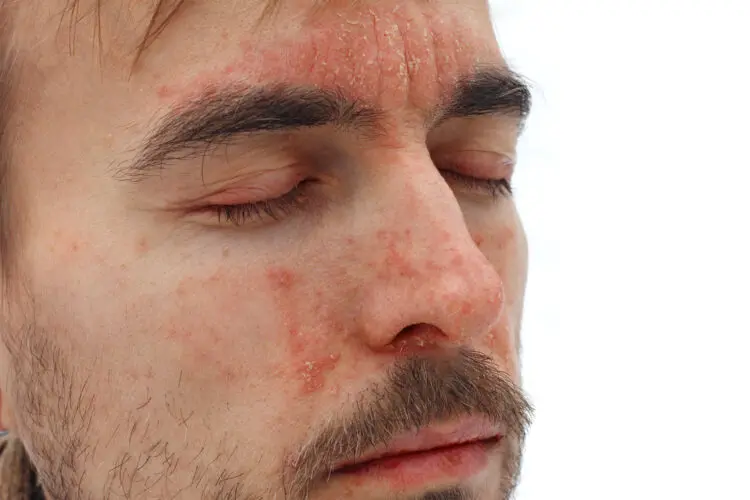
In winter, when immunity drops, shingles can appear like an unwelcome guest. Because its symptoms resemble a bad cold or flu-like illness, it is easy to misread—but if you miss the 72-hour “golden time,” you could endure severe pain for years, so caution is needed.
Shingles occurs when the varicella-zoster virus (VZV), which has remained dormant in the body after a previous chickenpox infection, reactivates as immunity weakens. As the virus travels along nerve ganglia and triggers inflammation in the skin and nerve cells, intense pain—burning or stabbing, as if being cut with a knife—can appear in a specific area from the very beginning.
Common symptoms include tingling nerve pain, burning sensations, skin hypersensitivity (allodynia), and blisters or a rash. However, in the early stage, symptoms often present as pain without a rash, making it easy to mistake it for simple muscle pain.
If shingles is left untreated, the most concerning complication is postherpetic neuralgia (PHN). To effectively suppress viral replication and minimize nerve damage, antiviral treatment should be started within 72 hours of pain onset; if you miss this golden time, the risk of severe neuralgia lasting for months—and in some cases, for years—rises significantly.
In particular, if the virus affects the face or the area around the eyes or ears, it can leave serious aftereffects such as keratitis, reduced vision, and facial nerve palsy, making early diagnosis and treatment more important than anything else.
The key to preventing shingles is maintaining immune function. Healthy habits such as stress management, adequate sleep, and maintaining an appropriate body temperature help reduce the risk of developing the disease. In South Korea, shingles vaccination is recommended for adults aged 50 and older; the vaccine reduces incidence by 50–60% and can also lessen symptoms if shingles occurs.
Jang Yoo-kyung, a professor in the Department of Anesthesiology and Pain Medicine at Korea University Anam Hospital, emphasized, “Shingles is not just a simple skin condition but a disorder of the nervous system, and if treatment is delayed, pain can become prolonged or lead to serious nerve damage,” adding, “Because early symptoms can be easily mistaken for a cold, if unexplained one-sided pain persists, you should seek prompt evaluation by a specialist.”