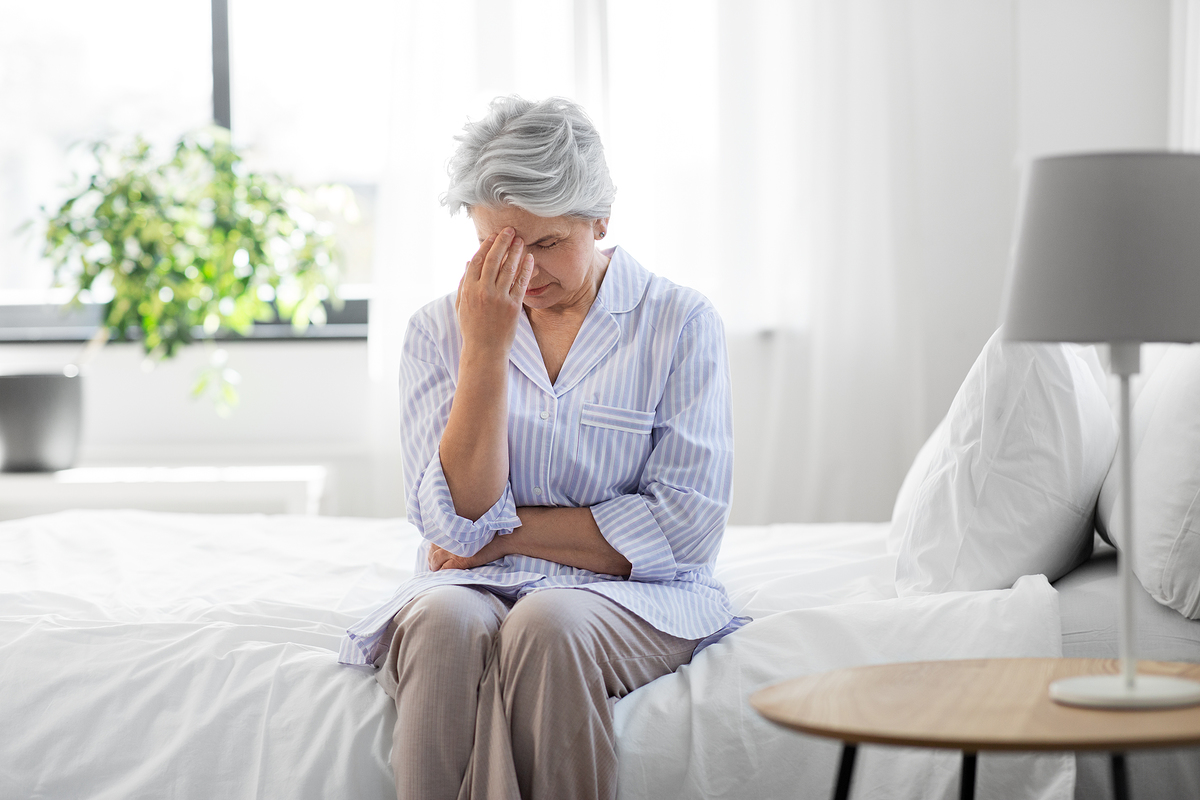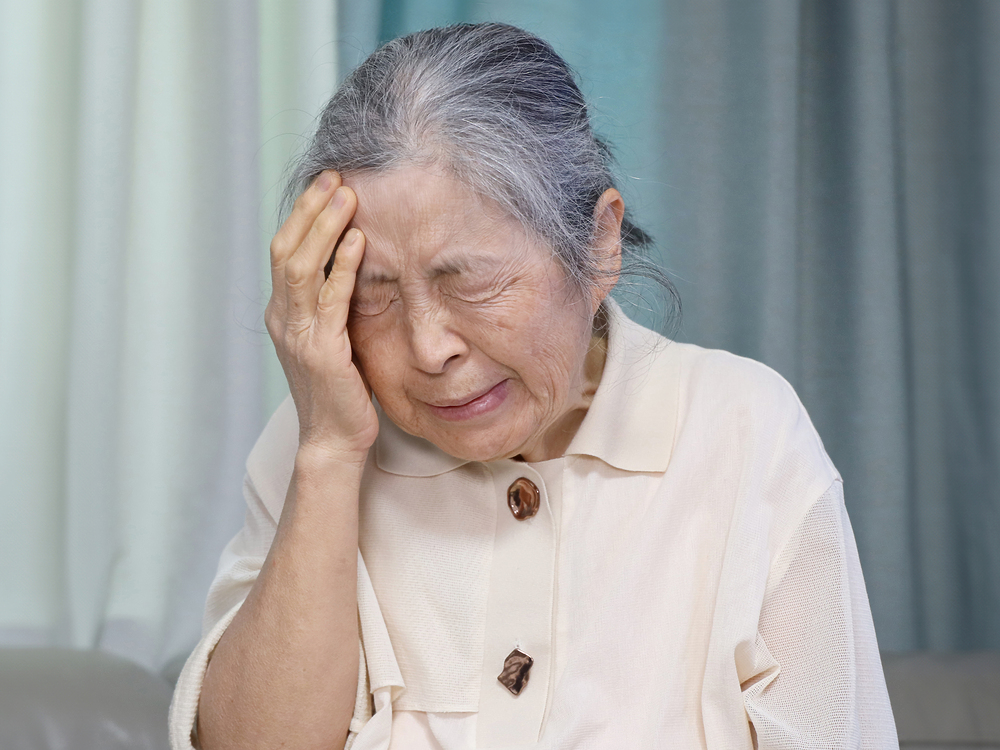
Women in their 40s and 50s experience a range of physical changes as they approach menopause. Their menstrual cycles may become irregular, or the amount of bleeding may change. They may also develop symptoms they have not experienced before, such as hot flashes, sleep disturbances, and mood swings. These changes occur during the menopausal transition, when ovarian function and female hormone production begin to decline.
The menopausal transition is not simply a period of waiting for menstruation to end; it is a critical time to prepare for long-term health after menopause. A sudden increase in menstrual bleeding, worsening cramps, or repeated bleeding between periods warrants close attention. Such symptoms can stem not only from hormonal shifts during the transition but also from underlying uterine conditions, including fibroids and adenomyosis. Experts warn that dismissing these signs as a natural part of aging could delay proper diagnosis and treatment.
When does the menopausal transition begin, and which symptoms call for a visit to an OB-GYN? What treatments are available if a uterine condition is found, and how can women prepare for their health after menopause?
For World Menopause Day on October 18, Kormedi.com spoke with Dr. Lee Yoon-jung, director of YMIZ Clinic, about physical changes during the menopausal transition, common gynecologic conditions, treatments, and health management strategies.
Q. When does the menopausal transition usually begin, and what physical changes occur?
A. Menopause is the permanent cessation of menstruation caused by a decline in ovarian function, typically confirmed after 12 consecutive months without a period. The menopausal transition refers to the phase shifting from the reproductive years into menopause. It usually begins around the mid-40s, though its duration, as well as the type and severity of symptoms, varies from woman to woman.
During this period, female hormone levels fluctuate significantly. Menstrual cycles may shorten or lengthen, and bleeding may become heavier or lighter than before. Vasomotor symptoms, such as hot flashes, sweating, and heart palpitations, are also common.
Nighttime heat and sweating can severely disrupt sleep. Fluctuating hormone levels can also affect emotional well-being, triggering sudden low moods, irritability, anxiety, or restlessness. Other physical changes may include joint pain, reduced skin elasticity, and vaginal dryness.
Determining whether a woman is in the menopausal transition involves evaluating her age, menstrual patterns, and accompanying symptoms together. When necessary, blood tests can check levels of hormones such as follicle-stimulating hormone (FSH) and estradiol. However, there is an important caveat: hormone levels fluctuate widely during this transition, so a single blood test may not accurately confirm whether a woman is in this stage.
Q. If the menstrual cycle or amount of bleeding changes, how can a woman tell when she needs medical care?
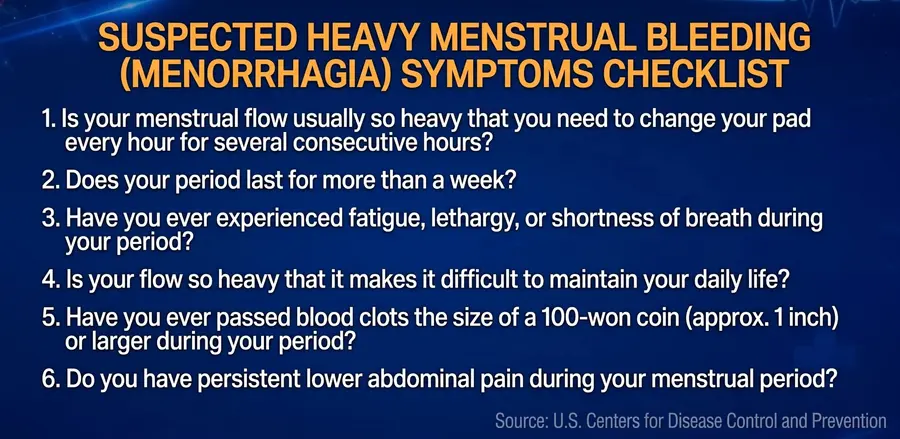
A. While menstrual cycles and bleeding patterns naturally shift during the menopausal transition, excessively heavy or prolonged bleeding should never be dismissed as a simple hormonal variation.
Bleeding that lasts more than seven days or is heavy enough to soak through a pad or tampon every hour is a clear signal to seek care. If bleeding soaks through even large or overnight pads during the night, heavy menstrual bleeding may be the cause. Women who have been diagnosed with anemia or those experiencing recurrent bleeding between periods should also consult a doctor.
Changes in menstrual cramps are equally important. If a woman who previously had little or no pain develops severe cramps in her 30s or 40s, or if her pain gradually intensifies, an underlying uterine condition may be responsible. Whenever bleeding or pain interferes with daily life, visiting an OB-GYN to identify the exact cause is essential.
Q. What gynecologic conditions should be considered if heavy bleeding or severe menstrual cramps develop during the menopausal transition?
A. Key conditions to consider include uterine fibroids, adenomyosis, endometriosis, and endometrial polyps.
When menstrual bleeding increases or cramps worsen, fibroids and adenomyosis are prime suspects. Fibroids are benign tumors in the muscular wall of the uterus that can cause heavy bleeding or pelvic pressure depending on their size and location. Adenomyosis occurs when endometrial tissue grows into the uterine muscle, resulting in severe cramps and heavy bleeding.
If pain is the primary symptom, endometriosis should also be investigated. Endometrial tissue growing outside the uterus can trigger severe menstrual cramps or chronic pelvic pain. Meanwhile, irregular bleeding between periods often points to endometrial polyps—growths on the uterine lining—or endometrial hyperplasia.
Q. What tests are conducted if a uterine condition is suspected?
A. The evaluation begins with taking a detailed medical history regarding menstrual cycles, the volume and duration of bleeding, cramp severity, and any abnormal bleeding, as well as any prior diagnosis or treatment for uterine conditions.
A pelvic examination and ultrasound are performed as needed. A transvaginal ultrasound allows us to evaluate the uterus and ovaries, check for lesions like fibroids or polyps, and measure uterine size and endometrial thickness. If an endometrial abnormality is suspected or abnormal bleeding persists, additional diagnostic procedures, such as an endometrial biopsy, may be required.
These test results help determine whether symptoms stem from hormonal shifts or a structural uterine condition, guiding the appropriate course of treatment.
Q. What treatments are available if heavy menstrual bleeding or a uterine condition is confirmed?
A. Treatment options depend on the underlying cause, symptom severity, overall patient health, and contraceptive needs. Pharmacological choices include hemostatic agents, anti-inflammatory pain relievers, combined oral contraceptives, and progestin medications.
Another effective and widely used option for heavy menstrual bleeding is a levonorgestrel-releasing intrauterine system (LNG-IUS). Inserted into the uterus, the device continuously releases levonorgestrel, keeping the uterine lining thin to reduce bleeding. It also provides contraception, allowing women who do not wish to become pregnant to manage heavy bleeding and birth control simultaneously. Additionally, it can help alleviate bleeding and pain in patients with adenomyosis or certain fibroids.
For women who cannot or prefer not to use an intrauterine device, oral hormonal therapies like oral contraceptives can be considered. Women nearing menopause who require both bleeding management and contraception can select an appropriate regimen based on their health profile. For instance, a combined oral contraceptive containing estradiol valerate and dienogest (E2V/DNG) is specifically approved to treat heavy menstrual bleeding. Patients should consult a specialist to receive a prescription tailored to their symptoms.
Surgical intervention may be considered if fibroids or ovarian masses are large, or if structural lesions such as endometrial polyps require removal.
Q. Does everyone experiencing symptoms during the menopausal transition require hormone therapy?
A. Not every woman requires medical treatment. If symptoms are mild and do not significantly disrupt daily life, lifestyle modifications and ongoing monitoring may suffice. However, if hot flashes, night sweats, or sleep disturbances severely impact work or quality of life, active treatment should be considered.
Decisions regarding menopausal hormone therapy must account for symptom severity, age, timing of menopause, personal medical history, and potential benefits and risks. A specialist can determine whether hormone therapy is suitable. Once initiated, treatment can be adjusted or discontinued based on efficacy or side effects.
Notably, premature ovarian insufficiency before age 40 increases the risk of cardiovascular disease and osteoporosis. In the absence of contraindications, hormone therapy should generally be maintained until the typical age of menopause. Individualized treatment may also be necessary for women who have undergone ovarian surgery or need targeted bone health management.
Hormone therapy may not be recommended for women with a history of breast cancer or specific risk factors, such as thrombotic disorders. Therefore, treatment decisions should always be made in consultation with a physician.
Q. What lifestyle habits should women adopt starting in their 40s to maintain health through the menopausal transition?
A. Above all, I emphasize the importance of strength training. Around menopause, declining estrogen levels and aging accelerate the loss of bone density and muscle mass, while skin elasticity also decreases. Rebuilding lost muscle requires substantial time and effort, so maintaining a consistent exercise routine while still healthy is essential.
It is important to combine aerobic exercises, such as walking, with resistance training, alongside adequate intake of bone-supporting nutrients like calcium and vitamin D. Balanced meals, sufficient sleep, smoking cessation, and moderate alcohol intake are foundational for overall health.
Hormonal shifts and age-related muscle loss during this phase often lead to an increase in body fat, particularly around the abdomen. However, weight gain should not prompt extreme food restriction or crash dieting, which causes muscle loss along with fat loss. Rather than focusing solely on the scale, the goal should be preserving muscle mass and preventing visceral obesity.
Finally, women should regularly monitor their overall health, including blood pressure, blood sugar, blood lipids, and osteoporosis risk. Keeping a detailed log of menstrual cycles, bleeding volume, and pain patterns will also help doctors accurately diagnose any issues during medical visits.