For nonagenarian patients and their families, deciding whether to undergo major surgery presents a formidable dilemma. The older a patient is, the greater the potential physical toll and surgical risk. Yet, for individuals who have maintained good baseline physical health and managed underlying conditions throughout their lives, advanced age alone does not have to narrow treatment options.
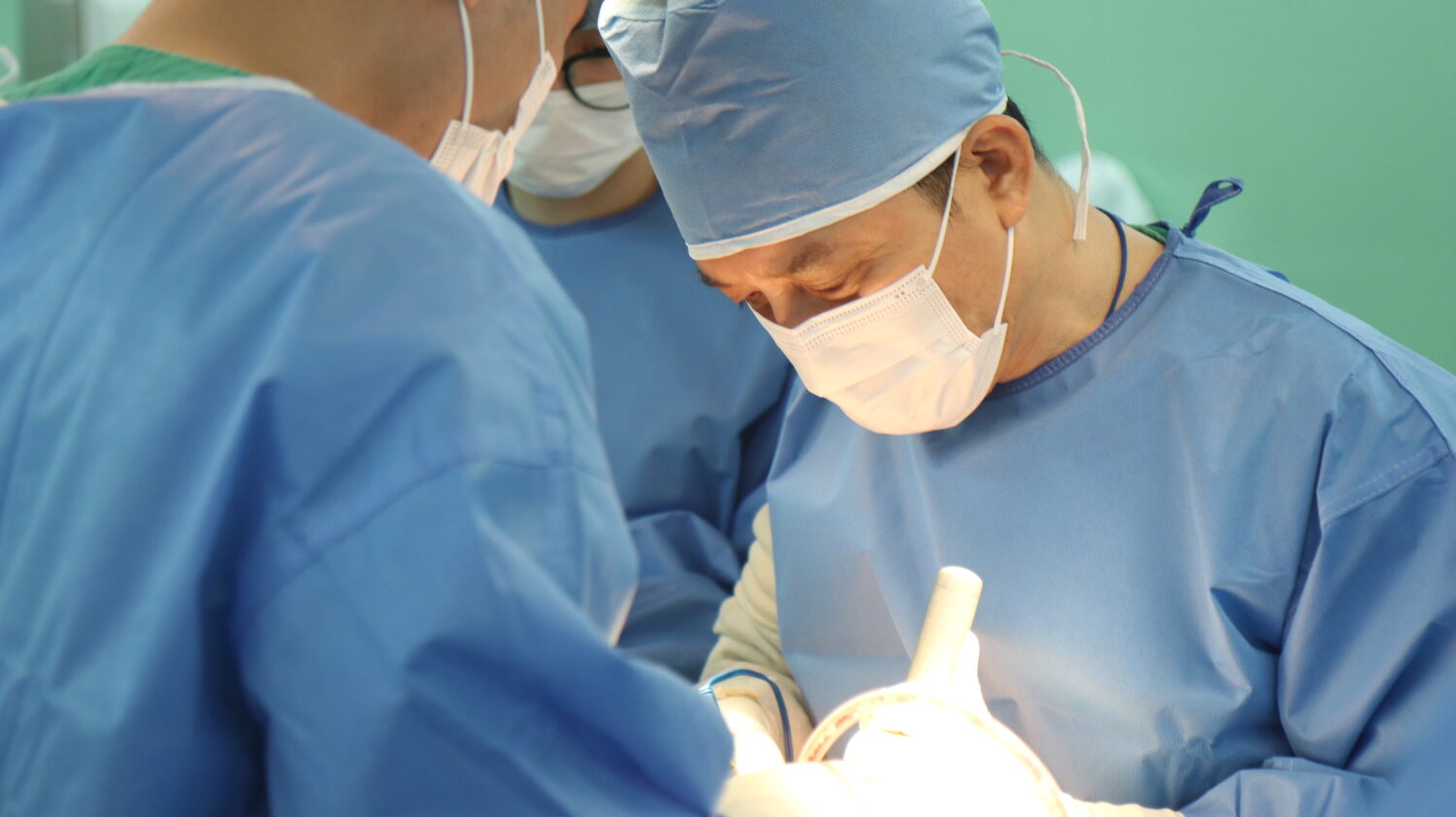
The Catholic University of Korea’s Seoul St. Mary’s Hospital announced on Sept. 18 that its surgical team recently successfully performed a complete stomach resection (total gastrectomy) using robot-assisted surgery on a 97-year-old gastric cancer patient.
The patient, identified as Mr. Y, was born in 1929. Ten years ago, he was diagnosed with early-stage gastric cancer in the lower portion of his stomach, which was successfully treated with two endoscopic resections followed by routine follow-up care.
However, during a regular checkup in the first half of this year, doctors detected a new tumor in his upper stomach near the esophagus. Although the lesion was classified as stage 1 early-stage gastric cancer, the tumor was relatively large with indistinct borders, ruling out endoscopic resection. Because his lower stomach had already undergone multiple endoscopic procedures in the past, partial resection was technically unfeasible, leaving total gastrectomy as the only curative option.
Comprehensive pre-operative imaging confirmed no distant metastasis. Furthermore, despite his age, Mr. Y demonstrated excellent physical and cognitive function, living independently without needing a cane or hearing aid.
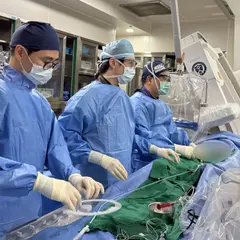
Evaluating his strong baseline health, the medical team determined surgery was viable and chose a robot-assisted approach to minimize surgical trauma. The robotic system allowed surgeons to operate with high precision in narrow, deep anatomical spaces, reducing intraoperative bleeding and lowering surgical risks for the elderly patient.
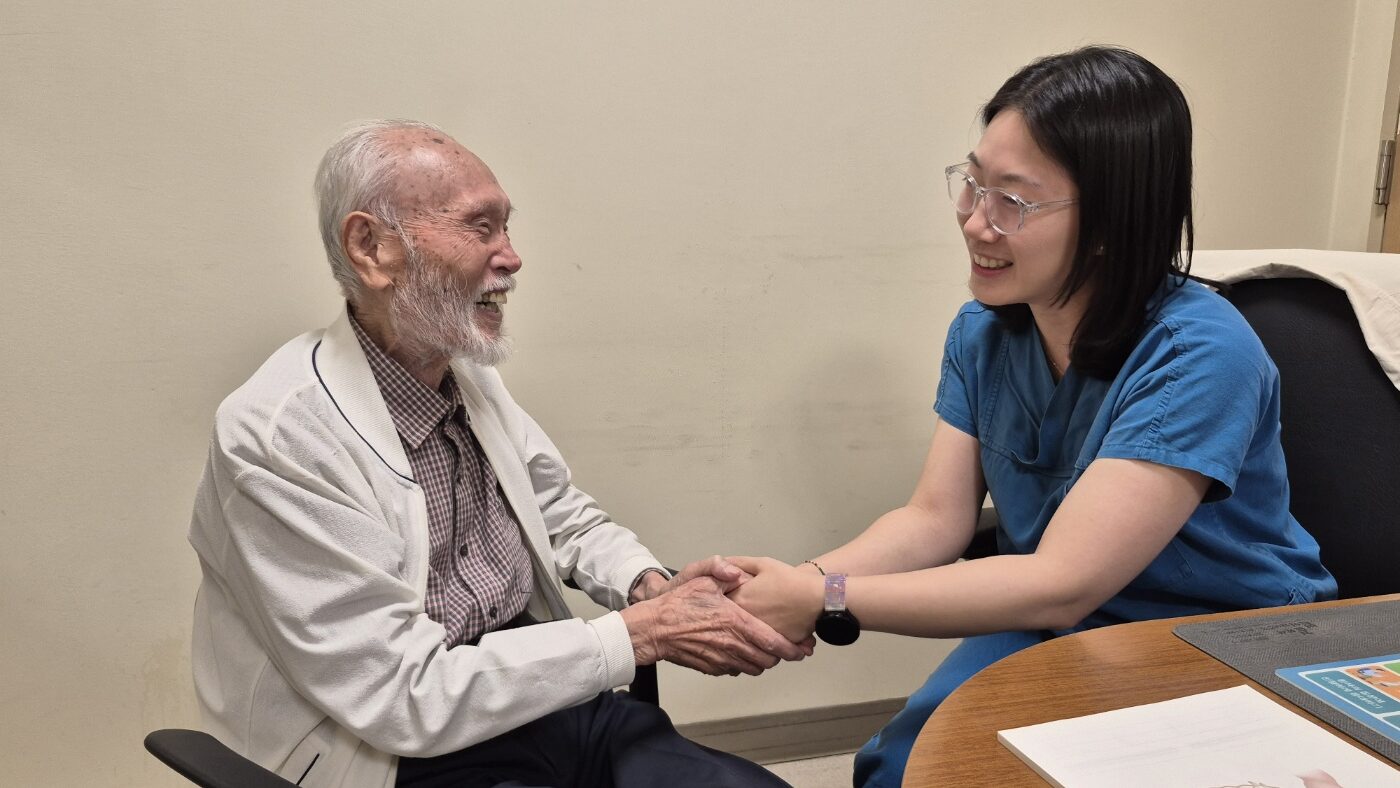
The operation was completed successfully, and Mr. Y was discharged without complications. During his first outpatient follow-up visit on Sept. 15, he expressed heartfelt gratitude to the medical team and his family.
"I consider myself a very lucky person," Mr. Y said. "Thanks to the doctors and my family, I will be able to spend this Chuseok holiday with my children and grandchildren."
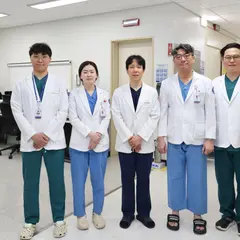
Prof. Kim So-jung of the Gastric Cancer Center (Division of Gastrointestinal Surgery) at Seoul St. Mary’s Hospital, who led the surgical team, stressed that chronological age should not be the sole factor in determining cancer treatment options.
"In cancer care for elderly patients, treatment decisions must never be made based on age alone," Prof. Kim said. "What matters most is a comprehensive assessment of the patient’s overall health status, physical reserves, underlying conditions, cognitive function, and potential for postoperative recovery."
Mr. Y’s smooth recovery was supported by decades of disciplined physical and mental health management. A former educator, he maintained his physical strength through consistent walking and strength-training exercises, while staying mentally active through daily Bible reading, prayer, and regular church attendance.
Nevertheless, medical experts emphasize that postoperative care after a total gastrectomy requires meticulous attention, particularly in nonagenarian patients.
"For elderly patients, post-surgical management is just as crucial as the procedure itself," Prof. Kim noted. "Because the entire stomach is removed, patients face significant changes in digestive capacity, meal volume, and nutritional absorption, often leading to rapid weight loss. The medical team and family must work closely together to carefully monitor nutrition, encourage light physical activity, manage underlying conditions, and prevent complications to ensure a stable return to daily life."