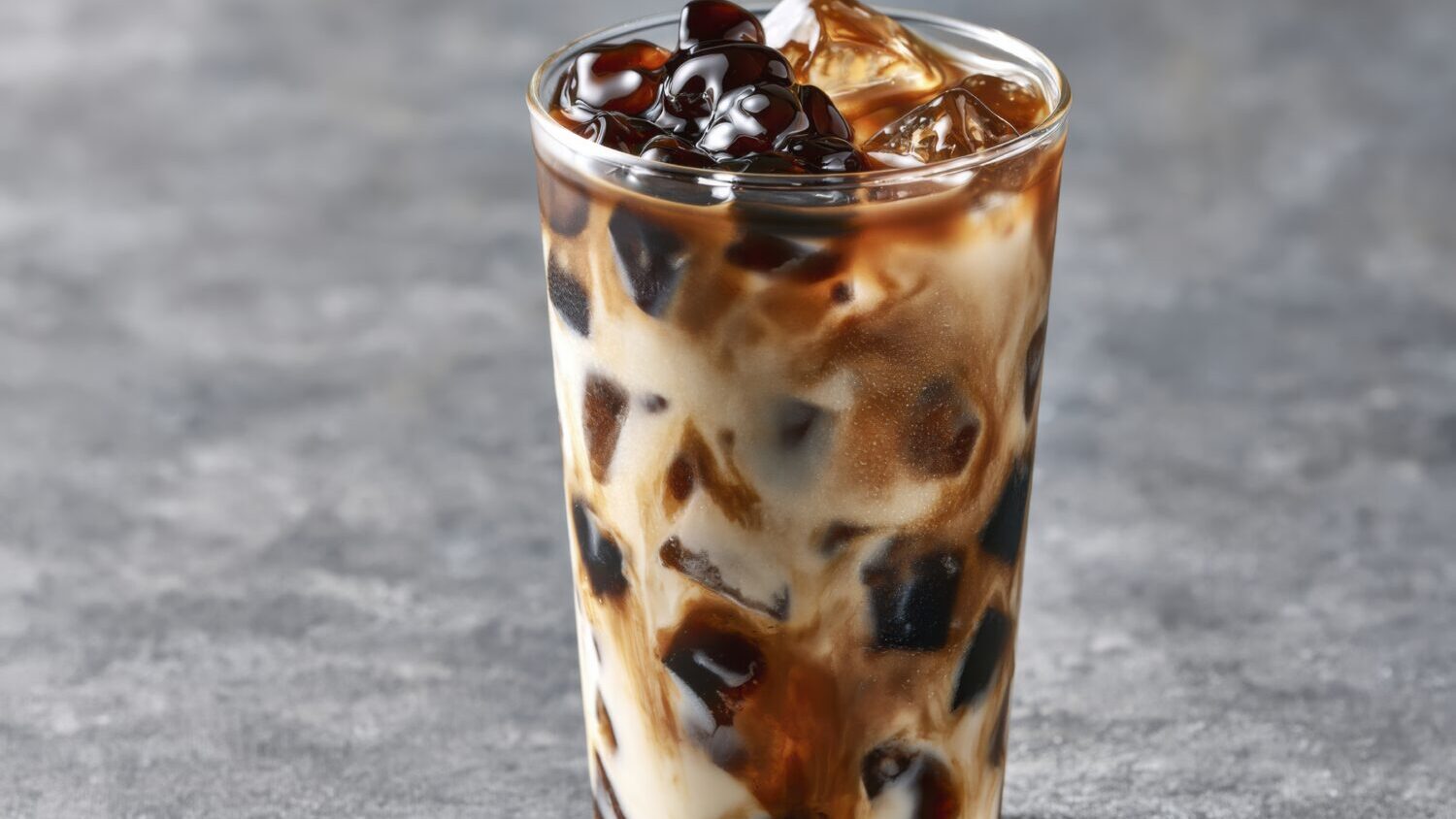
As specialty tea chains expand across South Korea, oversized cups of milk tea topped with tapioca pearls, cheese foam, and taro balls have become a ubiquitous street sight and social media staple. Many consumers regularly drink milk tea as a casual snack, while others consume it as a quick meal replacement on busy days. However, depending on the menu, cup size, sweetness level, and choice of toppings, milk tea can vary drastically in calorie, carbohydrate, and sugar content—making it a frequently overlooked factor in blood sugar management and weight control.
Calorie and Carbohydrate Content Varies Dramatically by Menu
While traditional milk tea consists simply of brewed tea and milk, commercial ready-to-drink and franchise versions often add significant amounts of sugar, flavored syrups, and creamers. Consequently, choosing a beverage over solid food does not guarantee lower caloric or carbohydrate intake.
For example, a large unsweetened milk tea at a major chain contains approximately 171 kcal, but increasing the sweetness level raises the total to nearly 270 kcal. Adding tapioca pearls can double the calorie count: a standard large milk tea containing 206 kcal and 2 g of sugar jumps to 424 kcal and 37 g of sugar when ordered with pearls. For those managing blood sugar or body weight, inspecting total carbohydrates and sugar per serving is essential.
Toppings Drive Up Carbs and Fat Even in Low-Sugar Options
The popularity of milk tea has been propelled by diverse toppings that add rich textures and sweet-and-salty flavor profiles. Popular additions include milk foam, cheese foam, coconut jelly, sago, and taro balls—chewy bites made by combining starch with taro root.
Because taro balls and tapioca pearls are starch-based, they significantly increase carbohydrate density. Similarly, cheese foam and milk foam—made by whipping cream, milk, and cream cheese—add substantial amounts of dietary fat and calories. Importantly, opting for a reduced sweetness level does not offset the nutritional impact of heavy toppings. A large low-sugar milk tea with pearls may contain only 5 g of sugar, yet still supply around 300 kcal due to the carbohydrate-dense pearls.

Nutritional Imbalance When Used as a Meal Replacement
Substituting a meal with a cup of milk tea may give the illusion of cutting calories, but it creates a distinct nutritional deficit. A balanced meal consisting of complex carbohydrates like multigrain rice alongside lean protein (such as eggs, chicken, or tofu) and fiber-rich vegetables promotes steady digestion and prevents rapid blood sugar spikes. In contrast, replacing a meal with sweet milk tea floods the body with simple carbohydrates while providing negligible protein or dietary fiber.
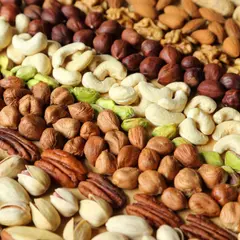
According to the Korean Diabetes Association, pairing carbohydrate-heavy foods with sources of protein and fiber—such as eggs, cheese, or nuts—helps attenuate postprandial glucose surges. For those who choose to consume milk tea as a meal replacement, health experts advise selecting a basic, low-sweetness option and pairing it with protein-rich foods like a boiled egg or unsweetened Greek yogurt, along with fresh fruit or vegetables to maintain proper dietary balance.