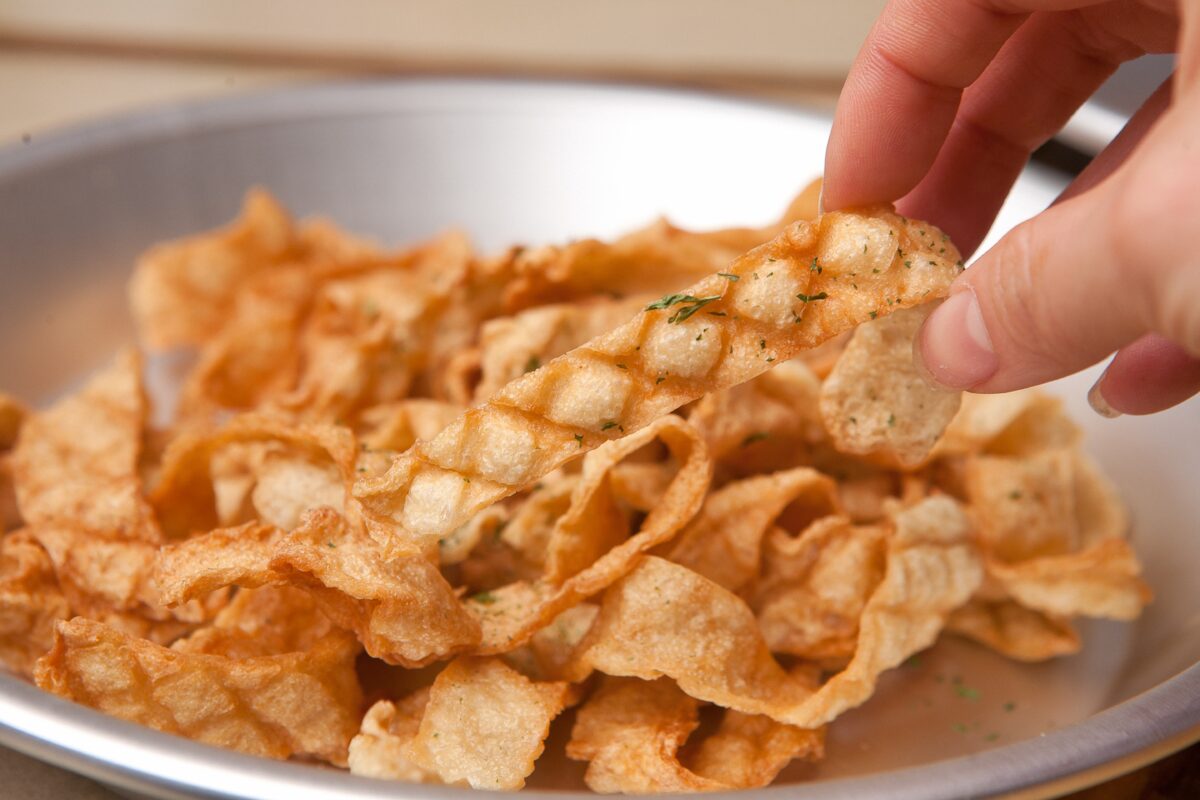
When hunger strikes between meals, crispy and savory fish jerky snacks are often perceived as a guilt-free alternative to potato chips or cookies. Because they are derived from seafood, consumers frequently assume these products offer a clean source of protein. However, many commercial fish snacks are made primarily from surimi—processed fish paste—blended with sugars, starches, and oil, resulting in a nutritional profile far different from plain fish.
A review of commercial fish jerky and chip products reveals that many contain substantial amounts of carbohydrates and refined sugars. In one fried fish jerky product (Product A), 100 grams contains 60 grams of carbohydrates—including 36 grams of sugar—compared to just 12 grams of protein. Despite being marketed as a seafood snack, its carbohydrate content is five times higher than its protein. A typical 30-gram serving delivers 18 grams of carbohydrates, 10.8 grams of sugar, and only 3.6 grams of protein, driven by the addition of corn-based starches, flour, and sweeteners.
This pattern extends to single-serve packaged snacks as well. A 23-gram bag of pollock chips (Product B) contains 13 grams of carbohydrates and 10 grams of sugar against 4 grams of protein, with ingredients listing corn starch, wheat flour, and sugar alongside frozen surimi. Similarly, a 28-gram bag of fried fish jerky (Product C) packs 15 grams of carbohydrates and 7 grams of sugar alongside 5 grams of protein.
For individuals managing blood sugar levels, health experts emphasize reviewing total carbohydrate content rather than focusing solely on sugar. Starches and refined flours break down into glucose during digestion, triggering blood sugar spikes similar to added sugars.

High Calorie Density and Hidden Sodium
Preparation methods further alter the health profile of these snacks. To achieve a light, chip-like crunch, manufacturers frequently fry or oil-treat fish jerky, driving up fat and calorie counts. Product A, which consists of 90% seasoned fish jerky and 10% soybean oil, contains 500 kcal and 23 grams of fat per 100 grams. Even a small 30-gram portion provides 150 kcal and 6.9 grams of fat.
Single-serve options show similar fat density. Product B contains 105 kcal and 4 grams of fat per 23-gram bag using sunflower oil, while Product C contains 135 kcal and 6 grams of fat per 28-gram bag. Because fish chips are physically light and thin, consumers often overeat without realizing how many calories they have consumed, making portion control essential for weight management.
Excessive sodium is another hidden concern. To enhance flavor, manufacturers add salt and savory seasonings. Product A contains 770 milligrams of sodium per 100 grams (39% of the daily recommended value of 2,000 milligrams), yielding 231 milligrams per 30-gram serving. Meanwhile, single bags of Product B and Product C contain 210 milligrams and 235 milligrams of sodium, respectively.
While a single serving may seem modest, combining these snacks with standard sodium-heavy meals like soups or stews can cause daily sodium intake to quickly exceed the World Health Organization's recommended limit of 2,000 milligrams, elevating the risk of high blood pressure. Nutritionists advise consumers to carefully inspect ingredient lists and nutrition facts panels rather than relying on seafood-based product branding.