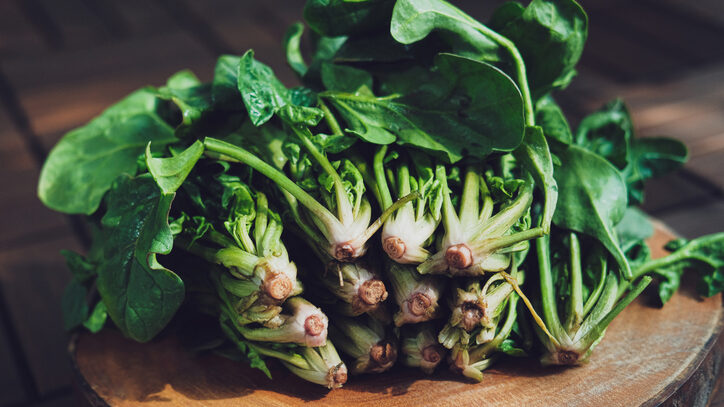
Naturally occurring compounds in dietary staples such as spinach, beets, almonds, and cocoa—foods widely celebrated for their health benefits—may aggravate intestinal inflammation in patients with inflammatory bowel disease (IBD).
A research team from the University of North Carolina reported in the peer-reviewed journal Cellular and Molecular Gastroenterology and Hepatology that oxalic acid (oxalate) can significantly worsen the severity of IBD symptoms.
While oxalic acid is widely known for its potential to form kidney stones when bound to calcium in the urinary tract, this study demonstrates a direct link between oxalate accumulation and heightened gut inflammation.
Reduced Capacity to Process Oxalic Acid in IBD Patients
Inflammatory bowel disease involves chronic, relapsing inflammation throughout the digestive system. Its primary forms include ulcerative colitis, which causes inflammation and ulcers in the mucosal lining of the colon, and Crohn’s disease, which can affect any segment of the gastrointestinal tract from the mouth to the anus. Although the exact etiology of IBD remains unknown, it is broadly understood to stem from an abnormal immune response to gut microbiota.
To investigate the connection, the researchers analyzed approximately 440 tissue samples from patients with ulcerative colitis and Crohn’s disease and evaluated their dietary oxalate intake using standard food questionnaires.
The dietary data revealed no significant difference in oxalic acid consumption between IBD patients and the general population. However, patients' tissue samples contained markedly higher concentrations of oxalic acid. Crucially, the expression of transport proteins responsible for handling and clearing oxalic acid in the gut lining was significantly reduced in IBD patients.
Further comparison of stool samples from 11 Crohn’s disease patients and four healthy controls revealed elevated oxalate levels in the Crohn’s cohort. The researchers concluded that chronic intestinal inflammation severely undermines the digestive system's capacity to process and eliminate oxalic acid.
Animal Experiments Confirm Exacerbated Colitis
Hypothesizing that unabsorbed oxalic acid actively worsens gut damage, the team designed a controlled study using 40 laboratory mice divided into four groups:
Standard diet with water
High-oxalic-acid diet with water
Standard diet plus a drug that induces mucosal inflammation
High-oxalic-acid diet plus the inflammation-inducing drug
The fourth group—receiving both the high-oxalic-acid diet and the colitis-inducing agent—developed the most severe enteritis. While mortality rates remained low and comparable across the first three groups, the high-oxalate group exposed to inflammation suffered a 40% higher mortality rate.
Mice in this group exhibited accelerated weight loss starting as early as day three, alongside marked colon shortening—a clinical indicator of severe colitis. Even during the protocol's recovery phase, their mucosal inflammation remained persistently elevated.
Cellular-level experiments on isolated immune cells yielded matching results: oxalic acid directly stimulated macrophages—immune cells that engulf cellular debris and foreign invaders—causing them to generate a stronger, faster inflammatory response.
Guidelines for Healthy Individuals vs. IBD Patients
The researchers emphasized that oxalic acid does not cause direct cytotoxic harm to intestinal mucosal cells on its own. Therefore, healthy individuals with normal gut function have no reason to avoid nutrient-rich foods like spinach, beets, or almonds.
However, for individuals living with Crohn’s disease or ulcerative colitis, dietary oxalate can directly fuel active gut inflammation. The research team plans to initiate larger, multi-center follow-up studies to refine these findings and establish personalized therapeutic diet guidelines for IBD management.