Inflammation is a normal biological defense mechanism that protects the body and aids healing when tissues are damaged or invaded by pathogens. However, low-grade inflammation that lingers without obvious symptoms is a major health concern. This chronic inflammatory state is closely linked to a range of severe conditions, including obesity, type 2 diabetes, and cardiovascular disease.
One dietary strategy to manage chronic inflammation is increasing the intake of polyphenols—compounds produced by plants to protect themselves from environmental stress. In the human body, polyphenols reduce oxidative stress and help rein in excessive inflammatory responses, preventing inflammation from flaring out of control.
To maximize these benefits, it is best to consume polyphenols consistently across a variety of foods. Here is a closer look at the nutritional strengths of two polyphenol-rich staples—extra-virgin olive oil and pomegranates—and practical ways to incorporate them into your daily diet.
Extra-Virgin Olive Oil: The Peppery Bite of Oleocanthal
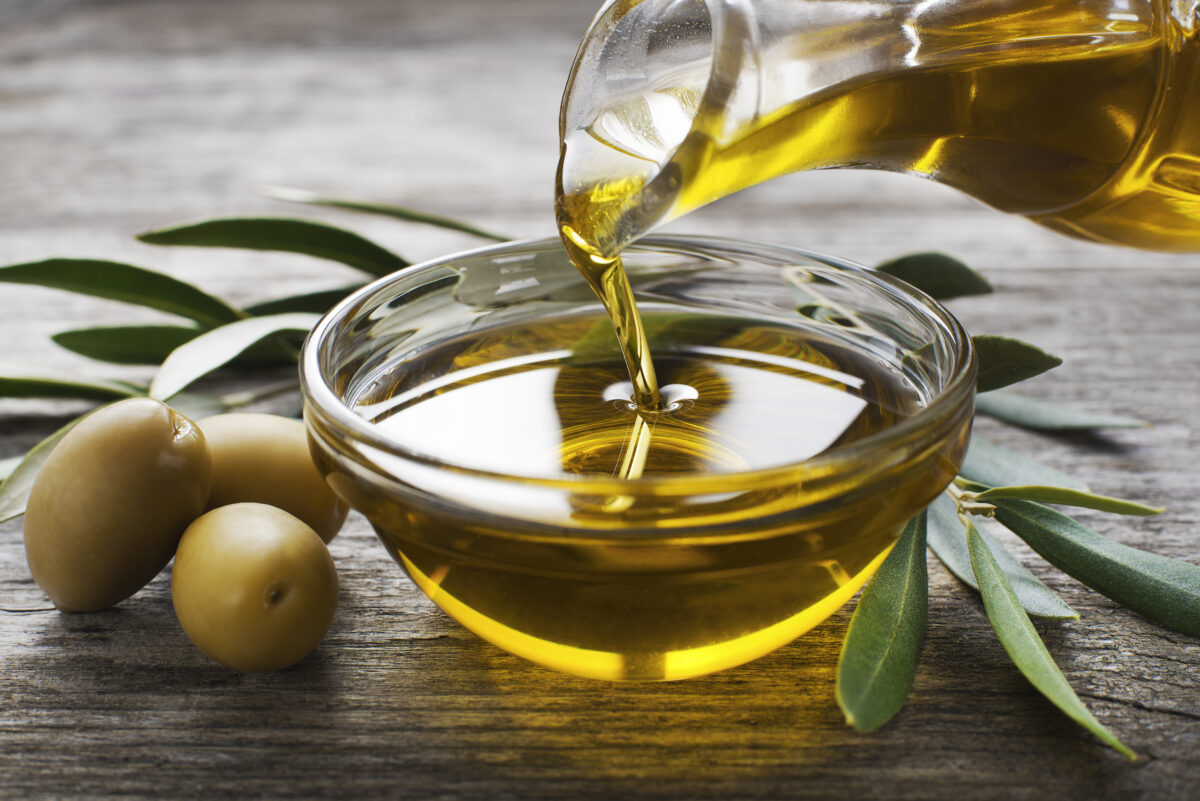
Extra-virgin olive oil contains several polyphenols that help regulate inflammatory responses. Swallowing fresh extra-virgin olive oil often causes a slight peppery or stinging sensation in the back of the throat. This is caused by oleocanthal, a specific polyphenol widely recognized as one of the primary drivers of the oil’s anti-inflammatory effects.
Research links regular olive oil intake to systemic improvements in inflammatory markers. In the study "Effects of olive oil on markers of inflammation and vascular function" by the Lukas Schwingshackl research team, olive oil consumption was associated with lower levels of C-reactive protein (CRP), a key blood marker indicating the level of systemic inflammation.
How to Use It: Drizzle about one tablespoon of olive oil over salads or roasted vegetables, or use it as a substitute for butter with bread. It can also be used for brief, medium-heat cooking, such as frying eggs or stir-frying vegetables. While olive oil is relatively heat-stable, prolonged high heat can degrade its polyphenols, so avoid heating it to its smoking point.
Olive oil is calorie-dense, containing roughly 120 calories per tablespoon. Rather than simply adding it on top of your current diet, use it to replace butter, mayonnaise, or other less healthy cooking oils.
When shopping, always choose oils labeled "extra-virgin." Because extra-virgin olive oil is unrefined, it retains far more of the fruit’s natural polyphenols and flavor. Light, heat, and oxygen degrade its quality, so select products sold in dark glass bottles and store them away from direct sunlight and stovetop heat.
Pomegranates: Antioxidant Power in Red Arils
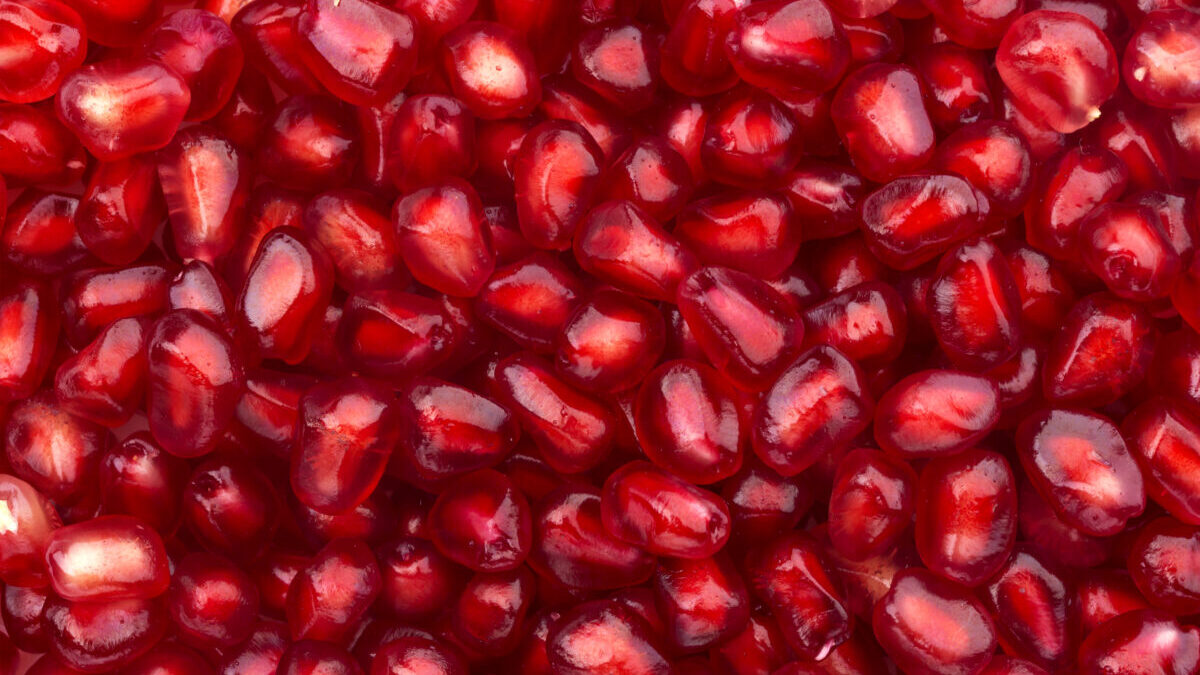
Pomegranates owe their vibrant red color and distinctive astringent taste to a robust profile of polyphenols, particularly anthocyanins (responsible for the red hue) and tannins (responsible for the astringency). These compounds mitigate cellular damage caused by oxidative stress and help regulate runaway inflammatory responses.
A comprehensive review by Hossein Bahari’s research team, "Pomegranate intake in adults and markers of inflammation and oxidative stress," analyzed data from 33 randomized clinical trials. The researchers found that pomegranate consumption significantly reduced multiple inflammatory markers, including CRP, while also improving markers of oxidative cellular damage.
The edible portion of the pomegranate, known as the aril, contains both the red pulp and a small seed. Eating the whole aril, including the seed, provides a significant dose of dietary fiber alongside potassium.
How to Use It: Split a pomegranate and scoop out the arils to eat as a standalone snack, or mix them into salads and unsweetened yogurt. A tablespoon or two can brighten oatmeal, ricotta cheese, or roasted vegetables with a tangy flavor and vibrant color. Fresh arils should be stored in an airtight container in the refrigerator, or frozen in portions for long-term use.
While bottled pomegranate juice is convenient, a single serving often contains a high concentration of fruit sugars. Always check the total sugar content before purchasing. For pomegranate syrups or concentrates, review the ingredient list carefully to ensure no added sugars, high-fructose corn syrup, or other artificial additives have been included.