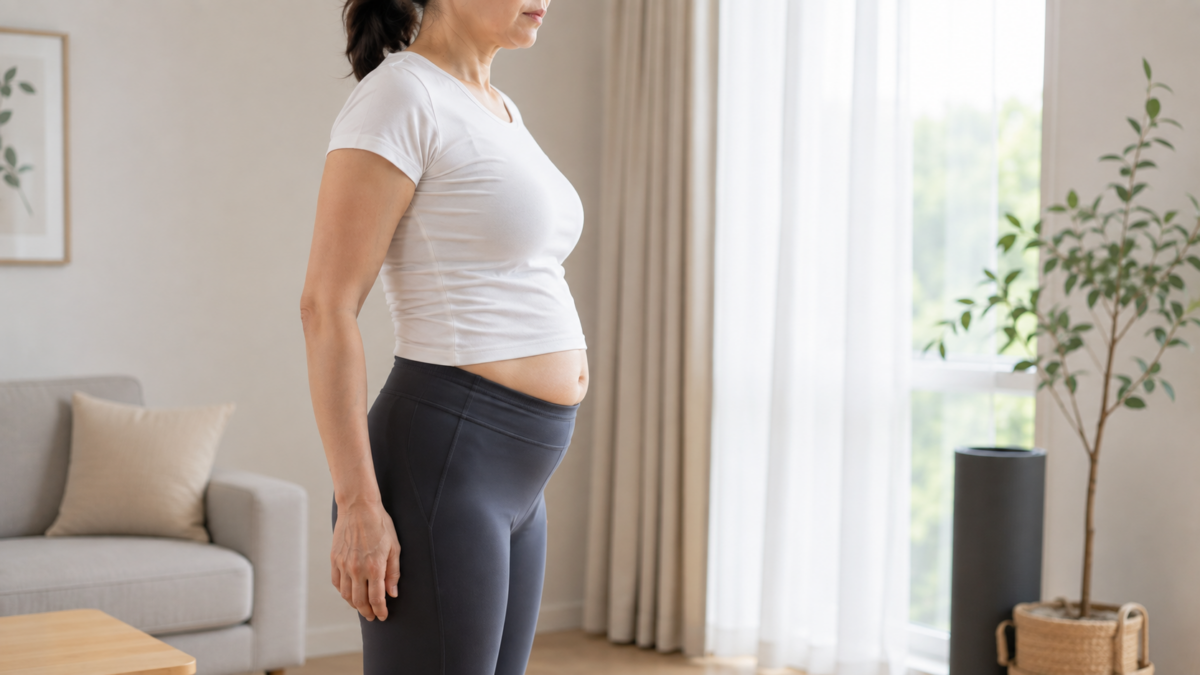
If your scale weight remains steady but your lower abdomen is noticeably protruding, it may be more than routine "age-related weight gain." Around menopause, middle-aged women often experience a shift in body fat distribution. Specifically, visceral fat accumulating deep within the abdominal cavity can combine with elevated blood sugar, blood pressure, and abnormal cholesterol levels to threaten cardiovascular health.
In middle age, declining muscle mass and reduced baseline energy expenditure make fat accumulation easier. When compounded by declining estrogen levels during the menopausal transition, body fat preferentially deposits in the abdomen rather than the hips or thighs. Research highlights that increases in abdominal visceral fat and losses in lean muscle mass are particularly pronounced during this phase.
Consequently, scale weight alone can be deceptive; waist circumference may expand even as total body weight remains unchanged. While hormonal shifts play a central role, genetic factors, activity levels, caloric intake, alcohol consumption, and smoking also influence abdominal fat accumulation.
The Hidden Dangers of Visceral Fat
Not all abdominal fat carries the same risk profile. Unlike subcutaneous fat, which lies directly beneath the skin and can be pinched, visceral fat wraps around vital organs deep inside the abdominal cavity. Excessive visceral fat significantly raises the risk of hypertension, dyslipidemia, elevated blood sugar, type 2 diabetes, and cardiovascular disease.
Waist circumference serves as an essential metric for abdominal obesity that body mass index (BMI) frequently overlooks. Individuals with a normal BMI remain at risk if significant fat is concentrated around the midsection. The American Heart Association emphasizes that abdominal obesity and visceral fat correlate with cardiovascular disease risk independently of overall BMI.
Dietary Strategies to Reduce Abdominal Fat
Attempting to shrink lower belly fat by skipping meals is difficult to maintain and often counterproductive. A more sustainable first step involves reducing foods and beverages that are calorie-dense yet low in satiety, such as sugar-sweetened drinks, desserts, and refined snacks. Daily meals should prioritize vegetables, whole grains, and lean proteins, including fish, legumes, tofu, and lean meats.
Dietary fat quality is equally important. Replacing saturated fats—found in butter and fatty cuts of meat—with unsaturated fats from fish, nuts, and olive oil supports cardiovascular health. Additionally, moderating alcohol consumption is key, as alcohol adds empty calories and directly promotes abdominal fat storage.
Why Spot Reduction Fails: The Role of Resistance Training
Targeted exercises like sit-ups cannot selectively burn lower belly fat. Reducing abdominal obesity requires increasing overall daily energy expenditure to lower total body fat. Combining regular aerobic exercise—such as brisk walking, cycling, or swimming—with resistance training helps manage weight while preserving critical muscle mass lost with age.
For middle-aged women, maintaining muscle mass is as vital as managing body weight. When muscle mass declines, baseline energy expenditure drops, making weight maintenance increasingly difficult even without changes in caloric intake. Ultimately, a sudden increase in lower belly fat should be treated not merely as a cosmetic change, but as a clinical cue to monitor waist circumference alongside blood pressure, blood sugar, and lipid profiles.