Driven by aggressive marketing on home-shopping channels, online marketplaces, and social media, "oral albumin" products are rapidly gaining popularity with promises of liver recovery, fatigue relief, and hangover prevention. Medical experts, however, are warning consumers that expecting therapeutic benefits from these ordinary food products is scientifically unrealistic.
To address growing public confusion, the National Evidence-based Healthcare Collaborating Agency (NECA) and the Korean Association for the Study of the Liver hosted a joint roundtable on the 20th titled "The Truth and Misconceptions About 'Oral Albumin' Consumers Should Know."
Digested Like Ordinary Food, Not Absorbed as Albumin
Albumin is a vital protein synthesized by the liver. It plays a critical role in maintaining oncotic pressure—preventing fluid from leaking out of blood vessels into surrounding tissues—and binds to hormones, nutrients, and medications to transport them through the bloodstream. When liver function declines due to chronic hepatitis or cirrhosis, or when kidney disease causes excessive protein loss in urine, blood albumin levels drop, resulting in severe fatigue, muscle loss, and edema (swelling) in the extremities or abdomen.
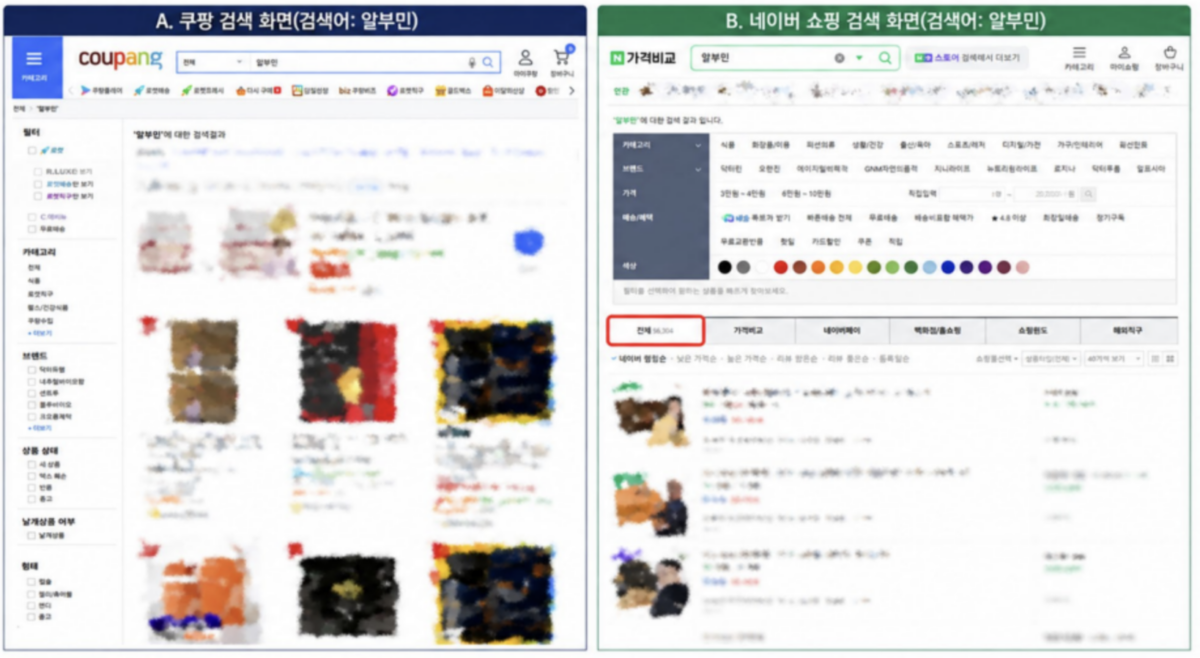
Commercial oral albumin products often exploit these symptoms in their marketing. Legally classified as ordinary foods, these products are typically produced by extracting protein from egg whites. When consumed, the protein is broken down in the small intestine into basic amino acids before absorption, just like any dietary protein. Consequently, ingesting oral albumin has no direct mechanism for elevating blood albumin levels.
"The mere use of the medical term 'albumin' in a product name does not confer medical efficacy," said Oh Soo-mi, a professor of nursing at Jeju National University, during the roundtable. Oh noted that an analysis of eight clinical trials involving oral albumin ingredients revealed inconsistent results across varying dosages and study parameters. Furthermore, none of the studies evaluated the actual finished commercial products sold in South Korea..

Prescription IV Albumin Remains the Only Medical Treatment
For patients experiencing clinically diagnosed albumin deficiency, medical intervention requires a doctor's oversight. The established medical treatment is an intravenous (IV) albumin infusion, which uses purified albumin derived from human blood plasma.
Intravenous albumin is a tightly controlled prescription drug reserved for severe conditions, such as cirrhosis accompanied by refractory ascites, and is administered only after careful evaluation of underlying causes and potential complications.
"Taking oral albumin and raising blood albumin levels are entirely separate concepts," said Ryu Dam, a professor at Soonchunhyang University Seoul Hospital and member of the association's public relations committee. "Even intravenous albumin, which has proven safety and efficacy through rigorous clinical trials, is used with extreme caution due to potential side effects. Oral products offer no clinical benefit and cannot replace specialist-directed care."
To protect consumers from misleading claims, the Korean Association for the Study of the Liver plans to launch an educational campaign.
"Now that experts across disciplines have established a formal discussion, we are preparing educational materials, such as news cards, to deliver accurate information and shift consumer perception," said Song Myung-jun, a professor at Daejeon St. Mary’s Hospital and director of public relations for the association.