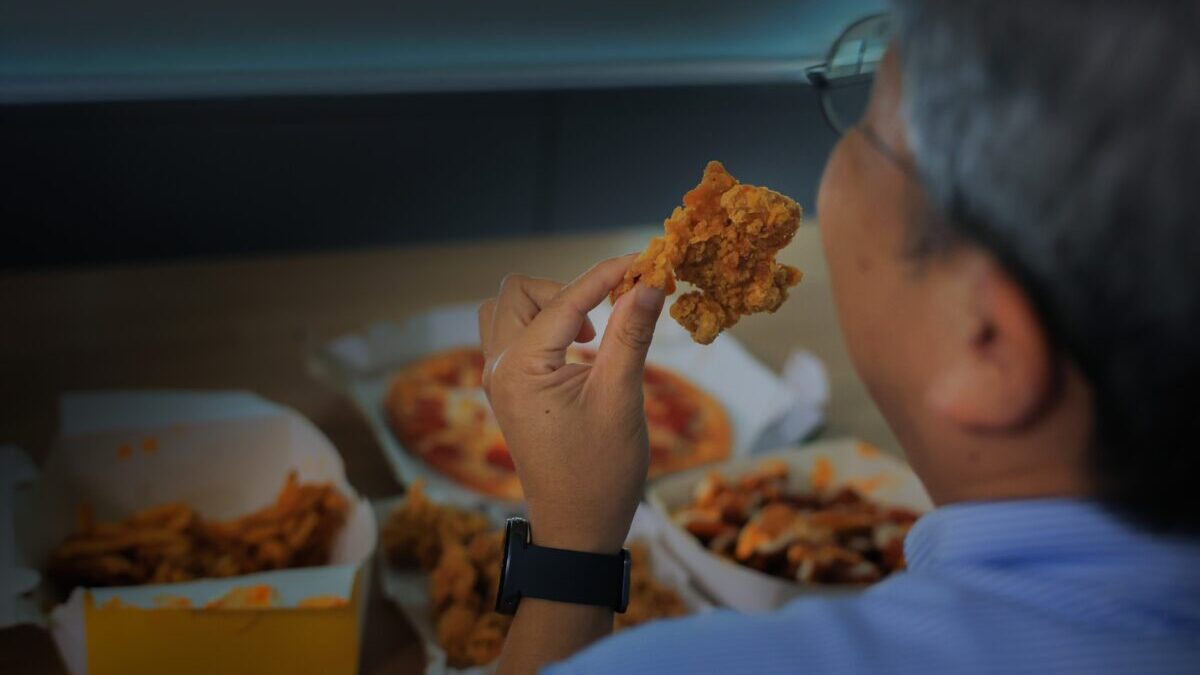
After wrapping up a long day, many people find themselves scrolling through their phones late at night and casually opening a food delivery app. Indulging in a late-night snack once or twice is hardly a medical issue. However, if the urge to eat every night becomes an uncontrollable routine, it may indicate something more complex than a robust appetite or a bad habit.
On Aug. 18, medical experts at Samsung Medical Center cautioned that persistent nighttime eating could be a sign of Night Eating Syndrome (NES).
First documented in medical literature in 1955, Night Eating Syndrome is classified under "Other Specified Feeding or Eating Disorder" (OSFED) in the Diagnostic and Statistical Manual of Mental Disorders (DSM-5) by the American Psychiatric Association. Overseas studies estimate that NES affects approximately 1% to 2% of the general population, with higher prevalence among individuals living with obesity, though figures vary depending on the study population and diagnostic criteria.
Defining the Diagnostic Criteria
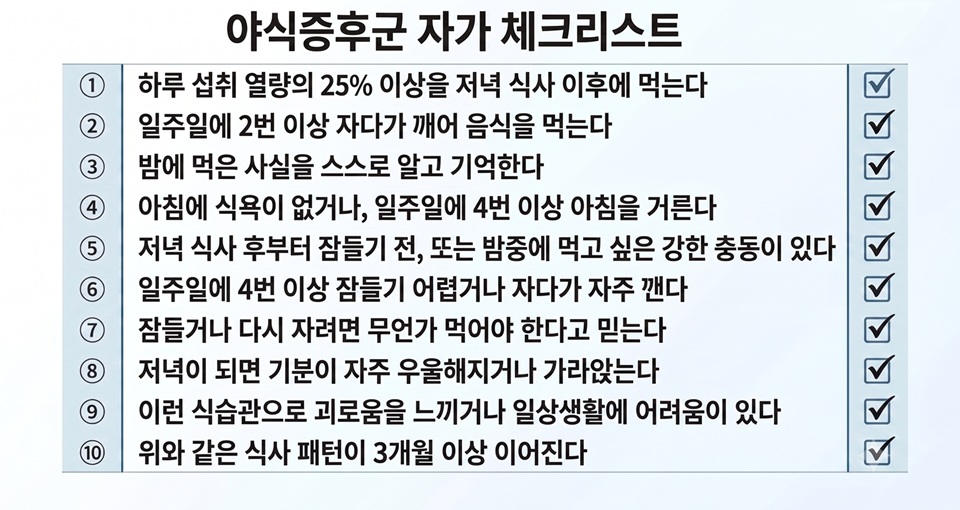
How can one distinguish between an ordinary late-night snack and NES? According to consensus criteria established by an international research group, NES is suspected when an individual consumes at least 25% of their total daily caloric intake after the evening meal, or wakes up from sleep to eat at least twice a week. Clinicians look for these behaviors to persist for at least three months.
Meeting these numerical benchmarks alone, however, does not automatically result in a diagnosis. A person must be conscious and recall eating at night. Clinicians also evaluate whether the behavior causes significant psychological distress or impairs daily functioning.
"Seeking food at night should not be dismissed as a simple lack of willpower," said Park Hyung-joon, a professor of family medicine at Samsung Medical Center. He emphasized that stress, sleep disruption, and the biological rhythms regulating appetite are deeply intertwined.
Why Stress Triggers Midnight Cravings
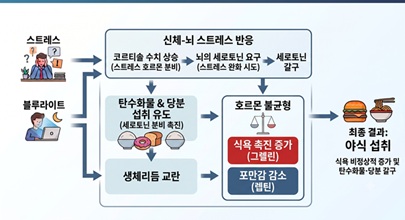
When the body encounters stress, levels of key hormones—including cortisol—fluctuate. If sleep schedules and meal times are simultaneously disrupted, the balance of leptin and ghrelin, the primary hormones controlling hunger and satiety, breaks down.
According to Park, when these hormonal changes converge, the impulse to seek out food at night intensifies. If eating becomes a default coping mechanism for daily stress, food turns into a psychological reward system, reinforcing the pattern.
Late-night smartphone use further compounds the problem. Prolonged exposure to bright screens delays bedtime, and remaining awake longer naturally increases the window of opportunity to seek food. While current evidence is insufficient to conclude that smartphone blue light directly causes NES, late-night habits shift sleep and meal schedules later, disturbing the body's internal clock.
The Vicious Cycle of Poor Sleep and Metabolic Health
The consequences of repeated late-night eating extend beyond weight gain. Lying down shortly after a heavy meal increases the risk of acid reflux and prevents the body from achieving deep, restorative sleep. As weight increases, the likelihood of developing sleep apnea or chronic snoring also grows.
This degradation of sleep quality leads to daytime fatigue and elevated stress, which in turn fuels night-eating urges the following evening. Late-night eating impairs sleep, and sleep deprivation triggers further late-night eating—creating a vicious cycle.
When chronic nighttime overeating elevates total daily calorie intake, visceral and abdominal fat accumulate. This increases the risk of obesity and complicates the management of metabolic conditions, including fatty liver disease, diabetes, dyslipidemia, and hypertension. While studies link NES to obesity, sleep disorders, and metabolic disease, researchers note that NES alone has not been proven to directly cause these conditions in isolation..
Restoring Daytime Rhythms to Break the Habit
Attempting to overcome NES through sheer restriction or enduring severe hunger every night is rarely sustainable. Park stressed that restoring a consistent daytime routine is far more effective.
The starting point is avoiding skipped meals and maintaining three regular meals throughout the day. Dinner should be kept moderate and completed two to three hours before bedtime. Regular physical activity and a consistent sleep schedule are equally vital.
When late-night hunger strikes, drinking a glass of water first can help. If hunger persists, lighter, easily digestible options like warm milk or a small portion of nuts are preferable to ordering heavy delivery meals. Developing non-food stress outlets is also critical.
"Just as temporary fixes like alcohol or cigarettes harm health in the long run, finding constructive alternatives to late-night bingeing is essential," Park said. "Rather than attempting drastic changes, start with simple stress-relief techniques like light stretching, bodyweight exercises, or deep breathing."
He added that avoiding skipped meals during the day and restoring disrupted circadian rhythms through regular exercise and fixed bedtimes remain the most effective strategies for curbing nighttime cravings and protecting overall health.
If late-night eating persists for more than three months, feels difficult to control independently, or significantly disrupts sleep and daily life, individuals should refrain from brushing it off as an overactive appetite and instead consult medical professionals to evaluate the underlying causes.