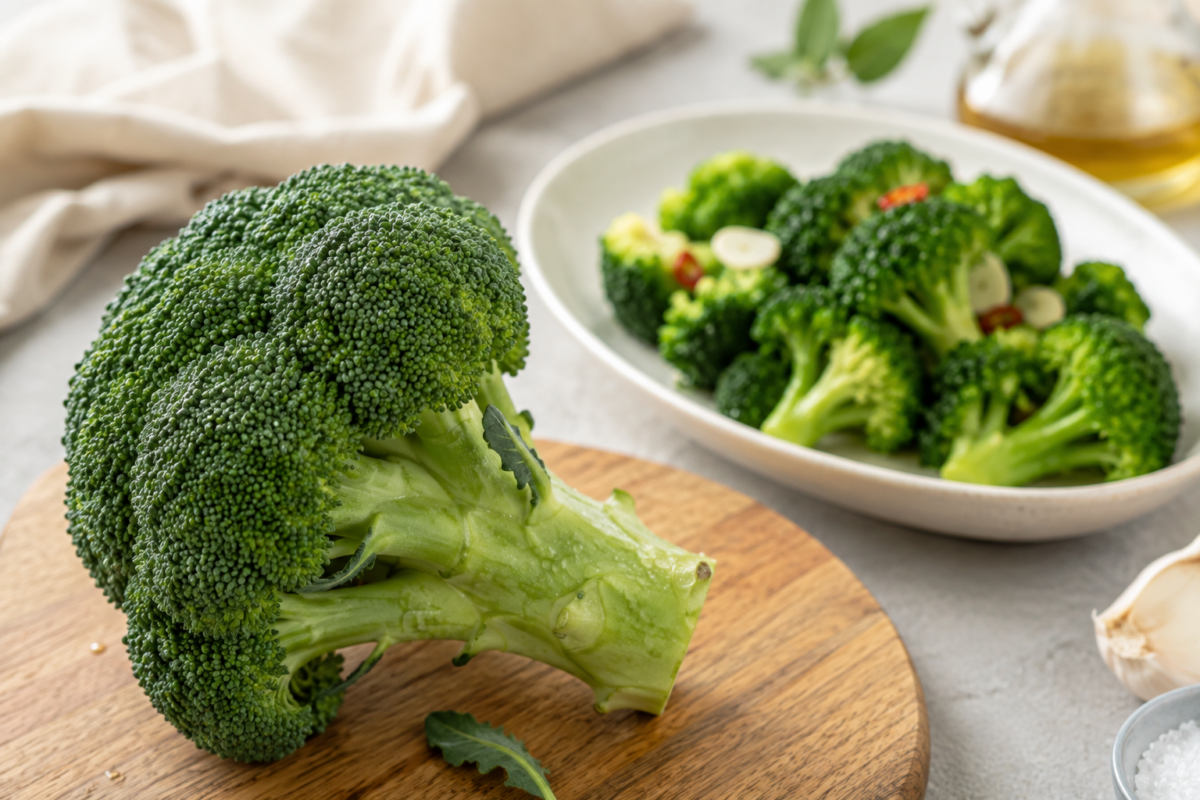
Broccoli is widely celebrated as a nutritional powerhouse, yet health-conscious cooks frequently debate the best way to prepare it. Whether you blanch it in boiling water or toss it in a skillet with oil can significantly alter its nutrient profile. To preserve broccoli’s signature health-promoting compounds—specifically sulforaphane and vitamin C—the cardinal rule is simple: avoid overcooking.
Unlocking Sulforaphane: Steam Lightly for 1 to 3 Minutes
Broccoli contains glucoraphanin alongside myrosinase, an enzyme that converts it into sulforaphane. When you slice or chew raw broccoli, cellular structures rupture, bringing the enzyme and precursor into contact to synthesize sulforaphane. This potent phytochemical is extensively studied for its antioxidant, anti-inflammatory, and potential cancer-preventative properties.
To maximize sulforaphane yield, light steaming is ideal. Studies show that steaming broccoli for 1 to 3 minutes enhances sulforaphane production without destroying myrosinase. In contrast, prolonged boiling causes water-soluble nutrients to leach into the cooking water. Removing the broccoli from heat while it remains bright green and slightly crisp preserves both its texture and its therapeutic value.
Preserving Heat-Sensitive Vitamin C
In addition to phytochemicals, broccoli is an exceptional source of vitamin C. However, ascorbic acid is sensitive to heat and highly soluble in water. The longer broccoli boils, the more vitamin C is lost to the water.
Comparative cooking studies indicate that steaming results in the lowest vitamin C loss, whereas boiling and extended stir-frying lead to steep declines. If you choose to blanch broccoli, keep the immersion brief, remove the florets immediately, and cool them down rather than letting them linger in hot water. Pairing blanched florets with vitamin C-rich ingredients like lemon juice or bell peppers adds flavor while complementing its nutrient profile.
Why a Quick Stir-Fry Boosts Carotenoid Absorption
Broccoli also supplies valuable carotenoids, including beta-carotene and lutein. Because carotenoids are fat-soluble, the human body absorbs them far more efficiently when paired with healthy dietary fats. Research demonstrates that incorporating moderate amounts of oil into vegetable dishes significantly improves carotenoid bioavailability.
Consequently, a quick stir-fry using a small amount of olive oil or perilla oil offers distinct nutritional advantages. To prevent high heat from degrading heat-sensitive glucosinolates and vitamin C, keep cooking times short. Adding protein and healthy fat sources like nuts, eggs, or salmon further enhances nutrient uptake.
A Satiating Base for Weight-Loss Diets
With its high water volume, elevated dietary fiber, and minimal calorie density, broccoli is an ideal component for weight management. According to data from the U.S. Department of Agriculture (USDA), one cup of raw chopped broccoli (approximately 91 grams) contains just 31 calories. Incorporating it into meals promotes satiety while keeping overall caloric intake low.
For weight-loss diets, lightly steamed broccoli serves as a nutritious salad base when paired with lean proteins such as chicken breast, eggs, or tofu. Dressed with olive oil and fresh lemon juice rather than sugary commercial dressings, it delivers optimal nutrition without excess calories. For individuals prone to bloating or gas, eating lightly cooked broccoli is often gentler on the digestive system than consuming large raw quantities.
The "Chop and Rest" Method for Maximum Bioavailability
For those seeking to maximize sulforaphane formation, prepping broccoli ahead of time can make a measurable difference. Chopping broccoli damages its cell walls, triggering myrosinase to react with glucoraphanin and form sulforaphane. Research suggests that letting chopped broccoli rest for a brief period before cooking allows this enzymatic process to take place, yielding higher sulforaphane levels than cooking florets immediately after cutting.
Putting this into practice requires minimal extra effort: simply chop broccoli into bite-sized pieces first, let it sit while preparing other meal components, and finish with a 1-to-3-minute steam. Whether tossed in olive oil or incorporated into a quick stir-fry, a brief cooking time ensures you reap the full spectrum of broccoli’s health benefits.