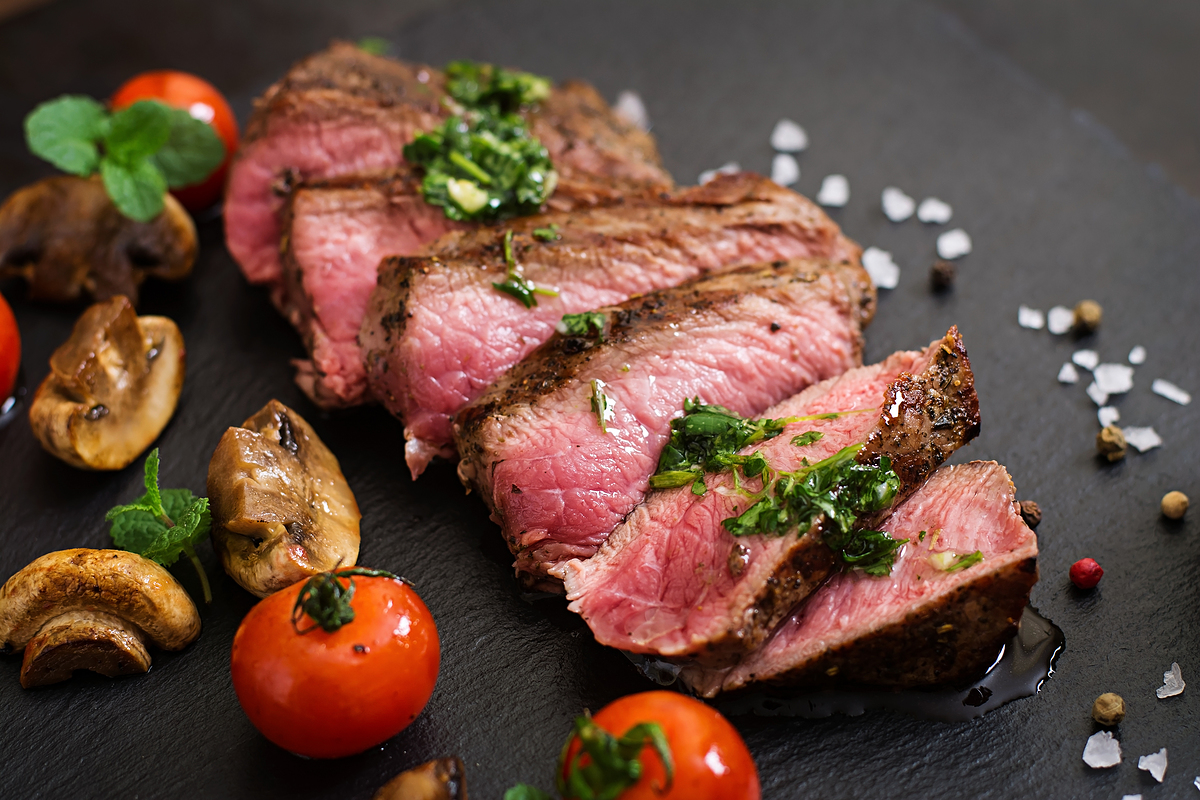
Within just three to four hours after you finish dinner, your body can begin actively storing fat. As dietary fat is digested and absorbed into the bloodstream, it quickly moves into adipose tissue. Particularly in the evening, eating a heavy meal late—even if it consists of the exact same food you would eat earlier in the day—can work directly against your weight management goals.
Where Dietary Fat Goes
After a meal, consumed fat moves through the digestive tract and into the bloodstream, where excess energy is deposited into adipose tissue as triglycerides. Consequently, the food eaten at dinner enters a metabolic cycle that shifts between storage and utilization starting that very night.
However, fat stored in cells is not permanently locked away. When your body requires fuel—such as during a walk or exercise—these stored triglycerides are mobilized and burned for energy. Over the long run, weight gain depends less on any single meal than on a repeated pattern where total energy intake consistently exceeds energy expenditure.
Why Late Meals Shift Your Metabolism
Eating late is not problematic simply because physical activity decreases at night. In controlled clinical trials, when participants consumed the exact same number of calories later in the day rather than earlier, their hunger increased, their waking energy expenditure decreased, and researchers observed changes in adipose tissue that explicitly favored fat storage.
These findings demonstrate that meal timing itself can influence weight control, even when calorie counts remain identical. Still, late eating does not guarantee automatic weight gain. Total caloric intake, physical activity, sleep quality, and overall eating patterns remain critical factors.
How Late Dinners Drive Appetite and Overeating
Late meals can also disrupt appetite regulation. In clinical trials, delaying mealtimes increased hunger and altered levels of key appetite-regulating hormones. When a late dinner triggers subsequent cravings for late-night snacks or desserts, daily caloric intake naturally rises.
Habitually consuming calorie-dense foods after dinner—such as processed snacks, bread, or ice cream—creates an especially unfavorable environment for weight management. Rather than skipping dinner altogether, a more realistic approach is to eat an appropriate evening meal and eliminate the routine "second round" of late-night eating.
Front-Loading Your Daily Calories
An analysis of 29 randomized controlled trials revealed that allocating a larger proportion of daily calories earlier in the day offers a distinct advantage for weight loss. Instead of drastically cutting evening meals, a better strategy is to eat nutritious breakfasts and lunches, building a routine that prevents overeating as the day transitions into night.
At dinner, prioritize adequate protein and vegetables while scaling back on excessive fats and refined carbohydrates. Ultimately, body fat does not automatically accumulate simply because three hours have passed after dark. The true risk to weight management is the long-term habit of consuming large, calorie-dense meals late into the night.