A growing body of research highlights the critical link between lower-body strength and healthy longevity. Recently highlighted in public health reports, the number of times a person can stand up from a chair in 30 seconds serves as a clear indicator of lower-body strength, mobility, and functional fitness during aging.
The U.S. Centers for Disease Control and Prevention (CDC) utilizes the 30-second chair stand test to measure leg strength and endurance, noting that a below-average score signals an elevated risk of falls. While several variations of the sit-to-stand test exist, experts emphasize that the 30-second version is a standardized assessment recommended by public health agencies that anyone can easily perform at home.
To perform the test safely at home:
Place a sturdy chair against a wall so it cannot slide.
Sit upright in the center of the seat with your feet flat on the floor and your arms crossed over your chest.
On a signal, rise to a full standing position with knees and hips fully extended, then sit back down.
Repeat the motion as many times as possible within 30 seconds, counting each completed stand.
Target scores vary based on age and sex. Recommended benchmarks for lower-body strength include:
Ages 60–64: 14 or more for men; 12 or more for women
Ages 65–69: 12 or more for men; 11 or more for women
Ages 70–74: 12 or more for men; 10 or more for women
Ages 75–79: 11 or more for men; 10 or more for women
Ages 80–84: 10 or more for men; 9 or more for women
Ages 85–89: 8 or more for men; 8 or more for women
Age 90 and older: 7 or more for men; 4 or more for women
Experts emphasize that falling below these targets is not a cause for alarm. Finding it easier to rise from a chair over time signals improving lower-body strength, and incorporating targeted exercises into a daily routine can effectively build leg endurance.
Key Exercises to Build Lower-Body Strength
Health professionals recommend three classic moves to strengthen the lower body:
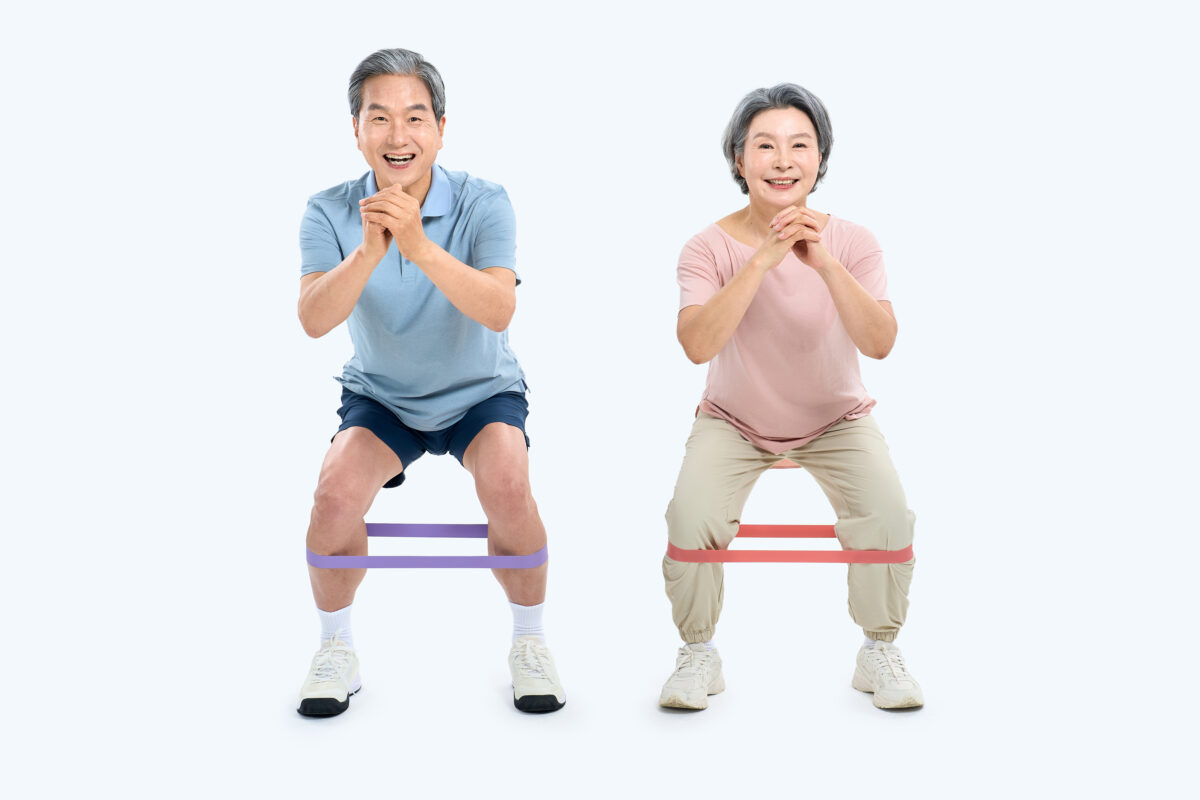
Squats: Squats strengthen the thighs, glutes, and core simultaneously without requiring specialized equipment. To maintain proper form, stand with feet shoulder-width apart, keep your chest open and gaze forward, and lower your hips back as if sitting into a chair. Ensure your knees align with your toes and refrain from rounding your lower back. Beginners can start with 2 to 3 sets of 10 to 15 repetitions, gradually increasing repetitions or holding dumbbells as strength builds.
Lunges: By stepping forward or backward and bending both knees, lunges effectively target the thighs, glutes, calves, and core. Maintain an upright torso and prevent the front knee from collapsing inward. Those experiencing knee pain should adjust their stride length or consult a specialist. Beginners should aim for 2 to 3 sets of 8 to 12 repetitions per leg.
Heel Raises: Raising and slowly lowering the heels off the floor targets the calf muscles and bolsters ankle stability. Regular practice improves overall balance and supports everyday movements such as walking, running, and climbing stairs.
<Frequently Asked Questions>
Q: Is lower-body strength directly linked to lifespan?
A: Yes. Multiple studies show that robust lower-body strength correlates with a lower risk of premature death and an extended healthspan. Thigh strength, walking speed, and chair-standing ability are key clinical indicators of overall health, though these metrics represent a strong correlation rather than direct causation.
Q: Why is lower-body strength so important?
A: The lower body houses the body’s largest muscle groups. Maintaining leg strength facilitates walking and stair climbing, reduces the risk of falls and fractures, improves insulin sensitivity and blood sugar control, supports basal metabolic rate, and promotes long-term cardiovascular health.
Q: Why does leg strength become critical with age?
A: Muscle mass naturally declines after age 40, with the rate of loss accelerating past age 60. As lower-body strength wanes, mobility decreases, fall risks escalate, and maintaining independent daily living becomes increasingly challenging.
Q: Is walking alone enough to build lower-body strength?
A: While walking helps maintain existing muscle tone and cardiovascular health, it is generally insufficient for building significant muscle strength. Combining walking with resistance exercises like squats or lunges yields far better results.
Q: Are lower-body exercises harmful to the knees?
A: When performed with correct form and appropriate intensity, strength training is safe for most people. In fact, strengthening the quadriceps reduces stress on the knee joints. However, individuals with active joint pain or osteoarthritis should consult a medical professional to tailor exercise selection and intensity.
Q: Is muscle strength more important than muscle mass?
A: Both are valuable, but research increasingly identifies functional strength as a crucial predictor of health and longevity. Having muscle mass yields limited health benefits if the nervous and muscular systems cannot generate functional force effectively.