Foreign workers living in South Korea and their families often struggle to access healthcare when suffering from spine or joint pain, largely due to language barriers and limited information about local medical services. In many cases, individuals endure persistent pain without knowing where or how to seek care, allowing manageable conditions to worsen over time.
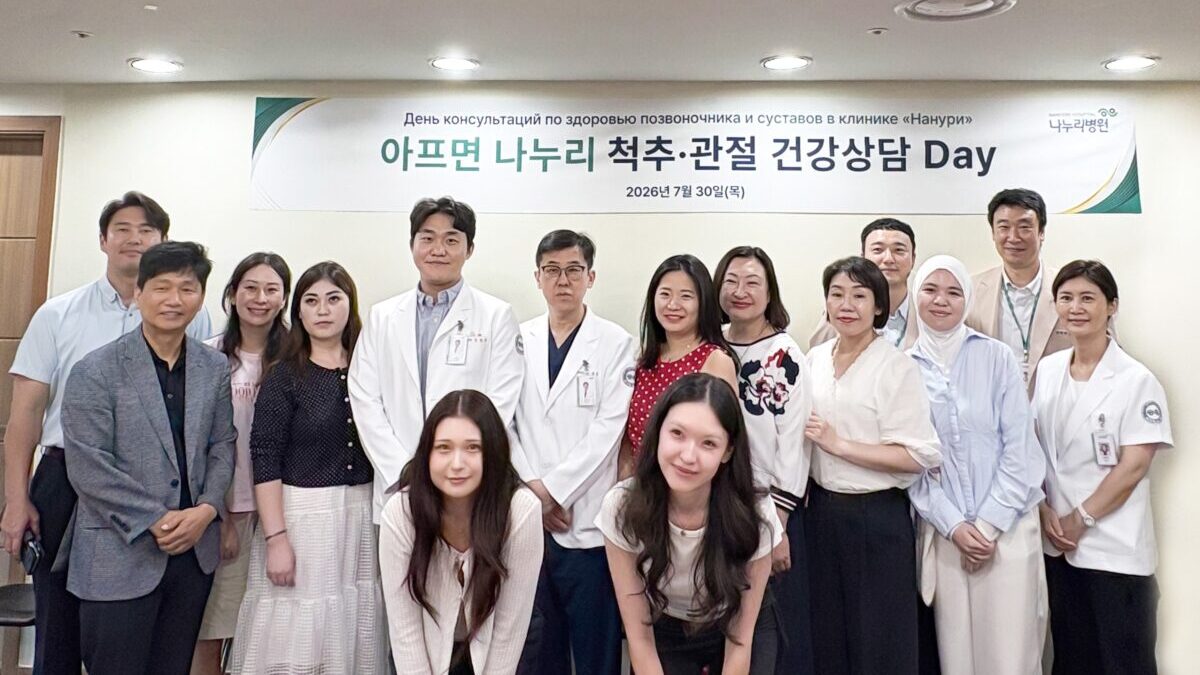
To address this gap, Suwon Nanuri Hospital, led by Director Nam Shin-woo, hosted a free community health event titled "If It Hurts, Nanuri Health Consultation DAY" on July 30. Tailored for foreign workers and their families from Russia and Central Asia, the initiative marked the hospital's second outreach effort of the summer, following a health consultation session for Mongolian workers in June.
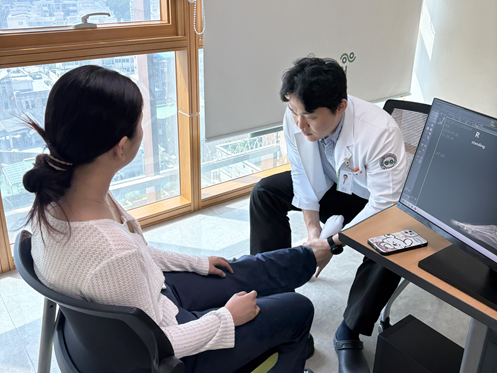
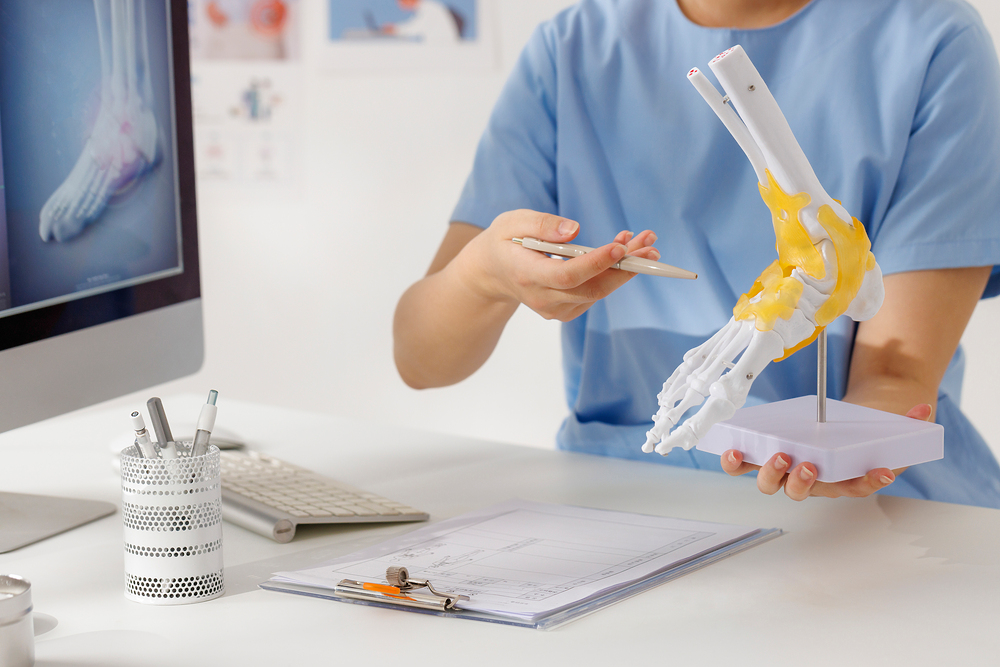
Participants from Russia, Kazakhstan, Uzbekistan, and Kyrgyzstan visited the hospital to consult specialists regarding discomfort in the neck, lower back, knees, and hips. Min Jun-hong, director of the Spine Center, and Lim Hyun-gyu, director of the Joint Center, evaluated patients through medical history intakes, X-rays, and basic diagnostic tests. The directors provided detailed explanations regarding the causes of their pain, day-to-day management strategies, and recommendations for further treatment.
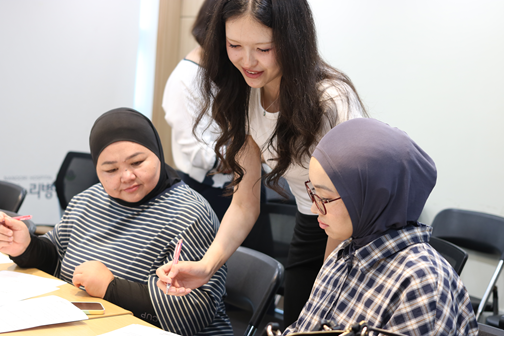
To ensure seamless communication, Russian-language medical interpreters accompanied participants throughout the entire visit—from initial registration and medical intake to diagnostic testing and physician consultations.
"I had been putting off care because of language difficulties and because I was unfamiliar with the Korean hospital system," said Sanam, a participant who received treatment for chronic knee pain. "This opportunity helped me understand the exact cause of my pain, and receiving a prescription and physical therapy on the spot was a huge help."
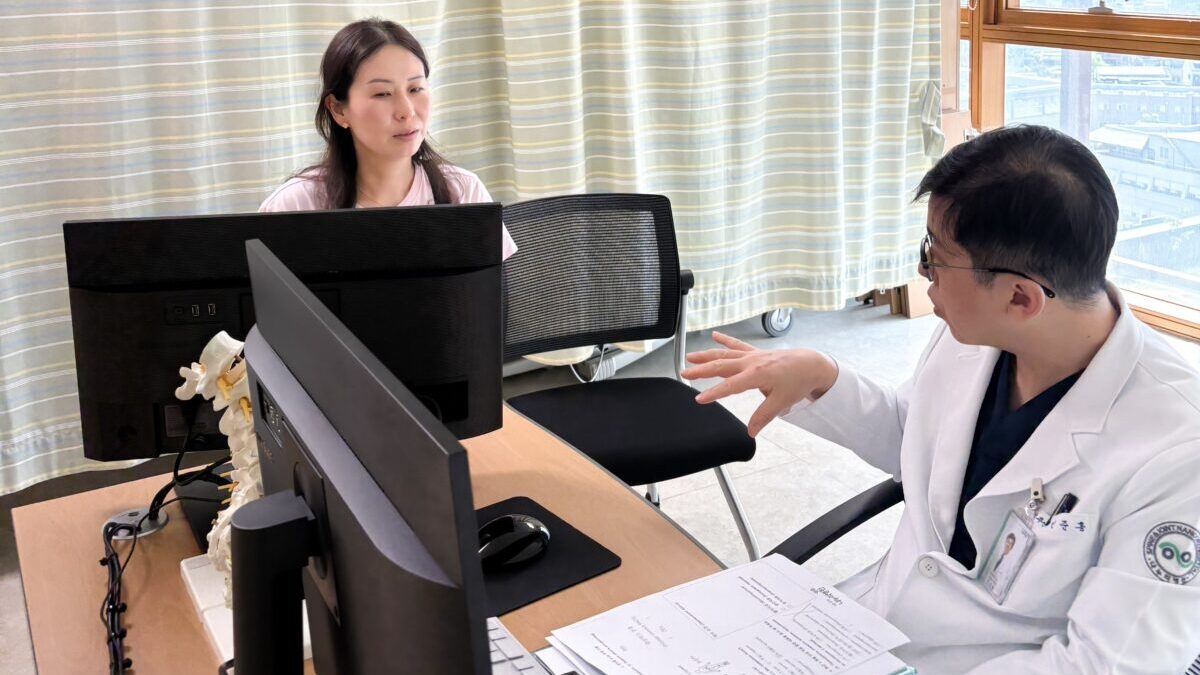
"Foreign workers frequently miss the optimal window for medical treatment due to demanding work environments and language obstacles," said Director Nam Shin-woo. "Going forward, we will continue collaborating with the local community to expand tailored consultations and clinical support so foreign residents do not face barriers to medical care because of language or cultural differences."