As nationwide heat waves send daily temperatures topping 40 degrees Celsius, emergency rooms are treating a surge in heatstroke and dehydration cases, alongside a rising number of cardio-cerebrovascular emergencies. Individuals with underlying heart disease, high blood pressure, or heart failure must exercise heightened caution, as prolonged heat exposure significantly increases the risk of developing arrhythmias.
An arrhythmia occurs when the heart fails to maintain a normal rhythm, beating too fast, too slowly, or irregularly. In extreme heat, heavy sweating reduces fluid volume in the bloodstream, leading to lower blood pressure. The heart compensates by beating faster, which disrupts the balance of the autonomic nervous system and destabilizes the heart's electrical conduction system. This cascading process can trigger conditions such as atrial fibrillation and tachycardia.
"Arrhythmia is one of the conditions most sensitive to heat exposure and dehydration," said Choi Young, a cardiology professor at the Cardio-Cerebrovascular Hospital of Seoul St. Mary’s Hospital. "Because dehydration progresses far more rapidly in older adults and patients taking diuretics, careful hydration management during the summer is critical."
Recognizing Symptoms and Underlying Causes
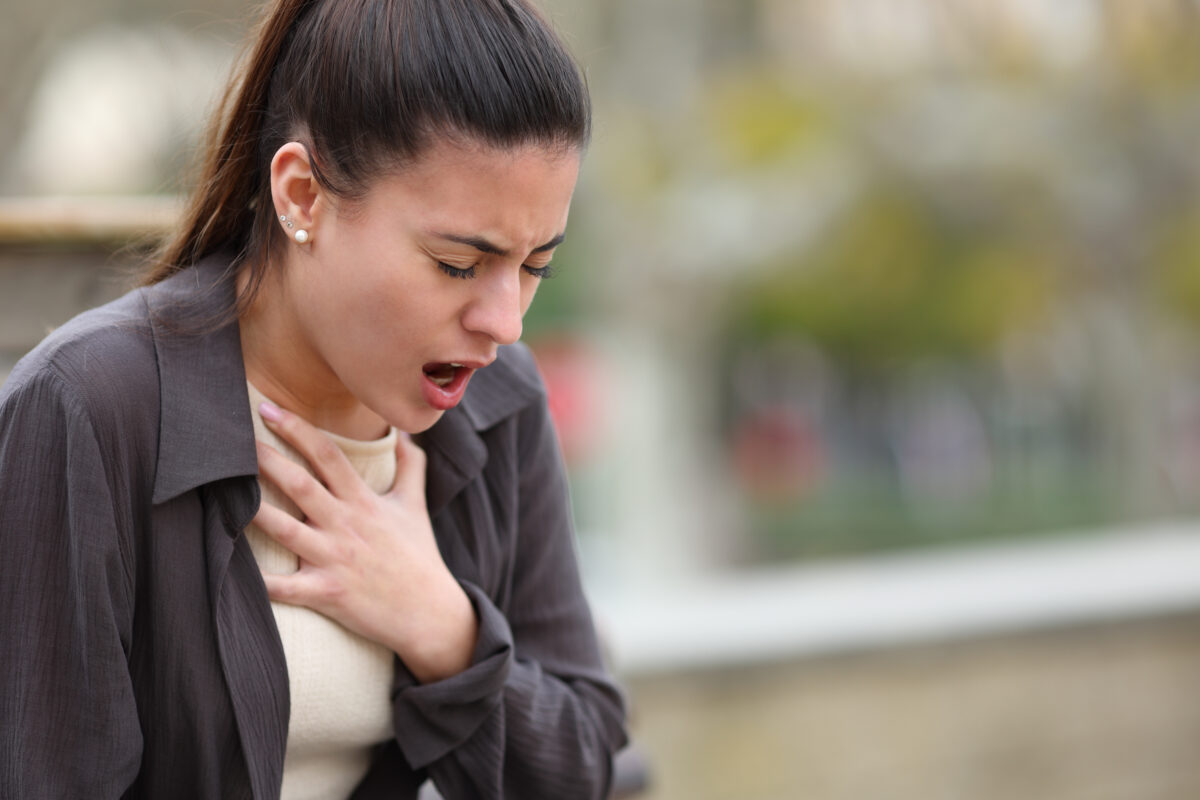
The primary symptoms of arrhythmia include a pounding heart or the sensation of a fluttering, irregular pulse. Patients may also experience dizziness, shortness of breath, chest pain, and severe fatigue. While the incidence of arrhythmia naturally rises with age, the number of younger patients has been steadily increasing in recent years.
Choi explained that beyond congenital genetic disorders and structural heart conditions—such as myocardial infarction, cardiomyopathy, and valvular heart disease—lifestyle factors also play a major role. Chronic stress, sleep deprivation, excessive caffeine intake, heavy alcohol consumption, and smoking can disrupt the autonomic nervous system and electrical signaling, raising arrhythmia risk.
Certain symptoms require immediate medical intervention. Sudden fainting while exercising or lying down—or experiencing severe palpitations and chest pain right before losing consciousness—are critical red flags. Anyone exhibiting these signs should visit a hospital for an urgent cardiac evaluation.
Stroke Risk and Summer Prevention Strategies
While some arrhythmias manifest as mild palpitations, others pose life-threatening risks, including sudden cardiac arrest. Atrial fibrillation, the most prevalent form of arrhythmia, increases the risk of stroke approximately fivefold. Its prevalence rises sharply among older adults, and the dehydration or electrolyte imbalances brought on by severe heat waves can exacerbate symptoms in individuals with pre-existing cardiovascular conditions.
"During summer, when extreme heat severely impacts dehydration levels and autonomic nervous system regulation, people should never dismiss potential warning signs," Choi warned. "If recurrent palpitations, fainting, chest pain, or shortness of breath occur, it is vital to visit a hospital promptly to identify the precise cause."
To help prevent arrhythmias during extreme heat, medical experts advise drinking ample water while avoiding caffeinated beverages and excessive alcohol. Exercise should be scheduled during cooler morning or evening hours rather than midday, with overexertion strictly avoided. Minimizing drastic temperature gaps between air-conditioned indoors and the hot outdoors can also help protect cardiovascular health.