On a hot summer day, a freezer stocked with ice cream is a welcome comfort. Many people, particularly when eating from large tubs, scoop straight from the container and return it to the freezer. Days later, opening the lid may reveal a white, frosty layer or coarse ice crystals on top. Unwrapping ice cream bars can yield similar results, with frost covering a distorted shape. This frequently raises a safety question: Has the product spoiled, and is it still safe to consume?
Temperature Swings and Moisture Movement Trigger Frost Formation
Ice cream maintains a smooth texture through a delicate, uniform balance of minute ice crystals, fat, sugar, and air. However, frequent freezer door openings or leaving containers at room temperature causes the surface layer to melt and refreeze. This triggers "recrystallization," a process in which small ice crystals fuse into larger ones. As this cycle repeats, the texture becomes grainy, and escaping moisture refreezes on top as white frost.
When frozen items are stored for extended periods, internal moisture migrates outward, drying the surface—a phenomenon known as "freezer burn" or freezing injury. When this escaped moisture refreezes, it forms surface frost. Because freezer burn represents a storage-related quality defect rather than bacterial degradation, frost alone does not automatically signify spoilage.
Unlike most processed foods, ice cream does not carry a standard expiration or use-by date. Under current Ministry of Food and Drug Safety labeling regulations, ice cream and frozen novelties display only the manufacturing year and month. Consequently, consumers cannot rely solely on printed dates to determine safety after opening. Instead, they must evaluate actual storage conditions—including whether the product remained consistently frozen, the extent of frost accumulation, and whether it previously melted and refroze.
Thin Frost May Be Harmless, but Melted or Misshapen Ice Cream Should Be Discarded
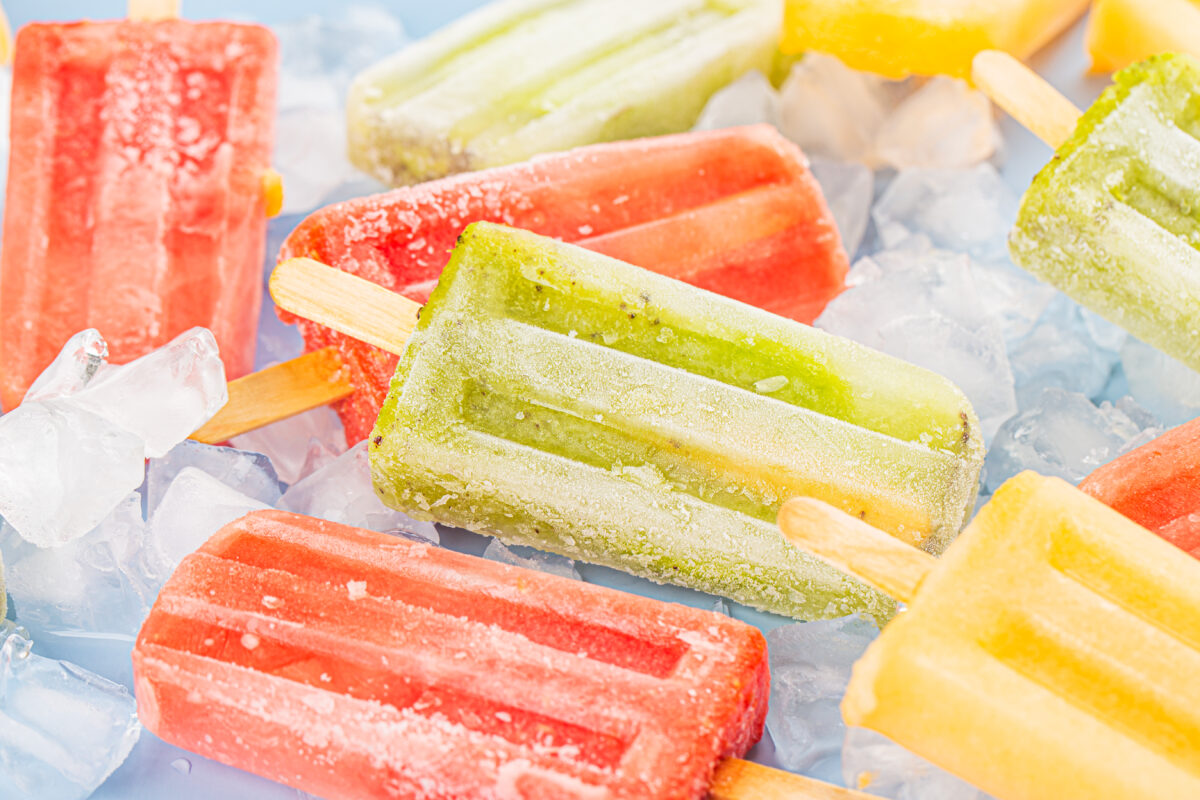
Frost alone is insufficient to determine food safety. Temperature fluctuations and moisture movement occur naturally inside home freezers. If a tub exhibits only a thin layer of frost, remains firm throughout, has not spent prolonged time at room temperature, and stayed continuously frozen, it remains safe to eat—though larger ice crystals will noticeably degrade flavor and mouthfeel.
Conversely, if frost is heavy or structural changes render the product unpalatable, discarding it is recommended for quality reasons. If there are clear signs that the ice cream melted, ran, and re-solidified—or if its storage history is unknown—it should be thrown away for safety. The same applies if the surface of a tub has collapsed significantly and large ice chunks permeate the product.
These rules extend to unopened ice cream bars and cones. A bent, flattened, or clumped shape indicates that the item melted and refroze in transit or storage, while large ice clusters signal severe temperature fluctuations.
When ice crystals form heavily on frozen packaging, it suggests prolonged storage or a thaw-refreeze cycle. Because visual appearance cannot confirm how long a product sat at room temperature, it is safest to discard ice cream in specific risk scenarios: following power outages or freezer malfunctions, after long-distance transport, following prolonged room-temperature exposure, when melting during distribution is suspected, or whenever storage history cannot be verified.
Refreezing Melted Ice Cream Poses Biological Risks
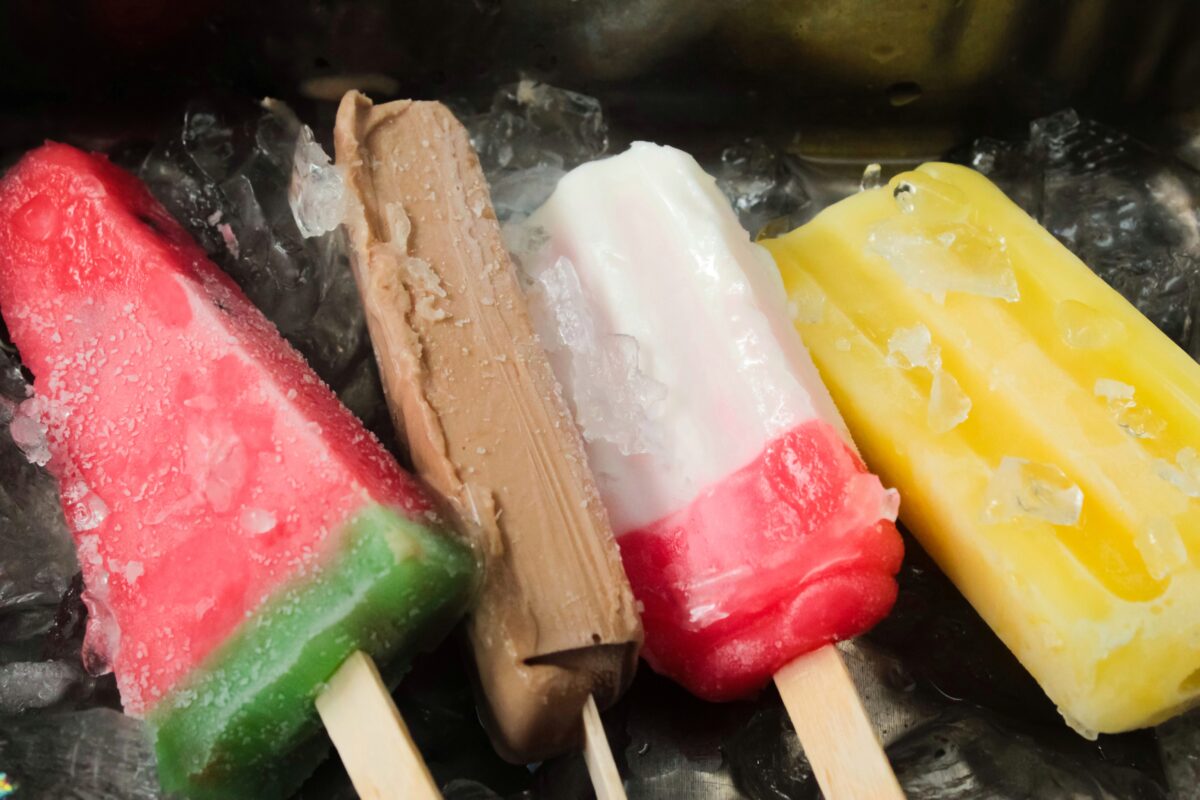
The Ministry of Food and Drug Safety warns that when frozen food thaws at room temperature, the outer layer melts first and remains exposed to warmer conditions, creating an environment where microorganisms can multiply rapidly. Refreezing thawed ice cream does not eliminate bacteria or toxins generated during the melting process.
Tub ice cream shared among multiple people carries additional contamination risks from hands or utensils. Double-dipping used spoons into tubs or leaving open containers at room temperature should be strictly avoided.
Products should also be discarded if the timeline or conditions of melting are unknown, or if damaged packaging allowed contents to leak or contact other foods. Furthermore, if mold-like spots or off-odors appear, scraping off the surface is insufficient; the entire container must be thrown away. Because certain food-poisoning pathogens do not produce visible signs or foul smells, melted ice cream should never be refrozen and consumed simply because it "smells fine."
Scoop Serving Portions Promptly and Store Tubs Toward the Back of the Freezer
To prevent frost and recrystallization, temperature fluctuations must be kept to a minimum. Ice cream should be stored toward the back of the freezer rather than in door shelves, which are repeatedly exposed to warm ambient air when opened.
When serving from large tubs, avoid leaving the container out during consumption. Scoop out the desired portion quickly and return the tub to the freezer immediately. Before replacing the lid, smooth down the remaining surface and seal the container tightly. Larger air gaps inside containers accelerate moisture loss and frost formation; if only a small amount remains, transferring the leftover ice cream to a smaller, airtight container helps preserve quality.