For women with valvular heart disease, pregnancy has long been considered a high-stakes undertaking. During pregnancy, blood volume rises and the heart beats faster to supply the fetus. If a heart valve is narrowed or leaking, the heart may struggle to keep up with the increased workload, raising the risk of heart failure—a condition where the heart cannot pump enough blood to meet the body’s needs. Consequently, clinicians and families have often hesitated to recommend pregnancy.
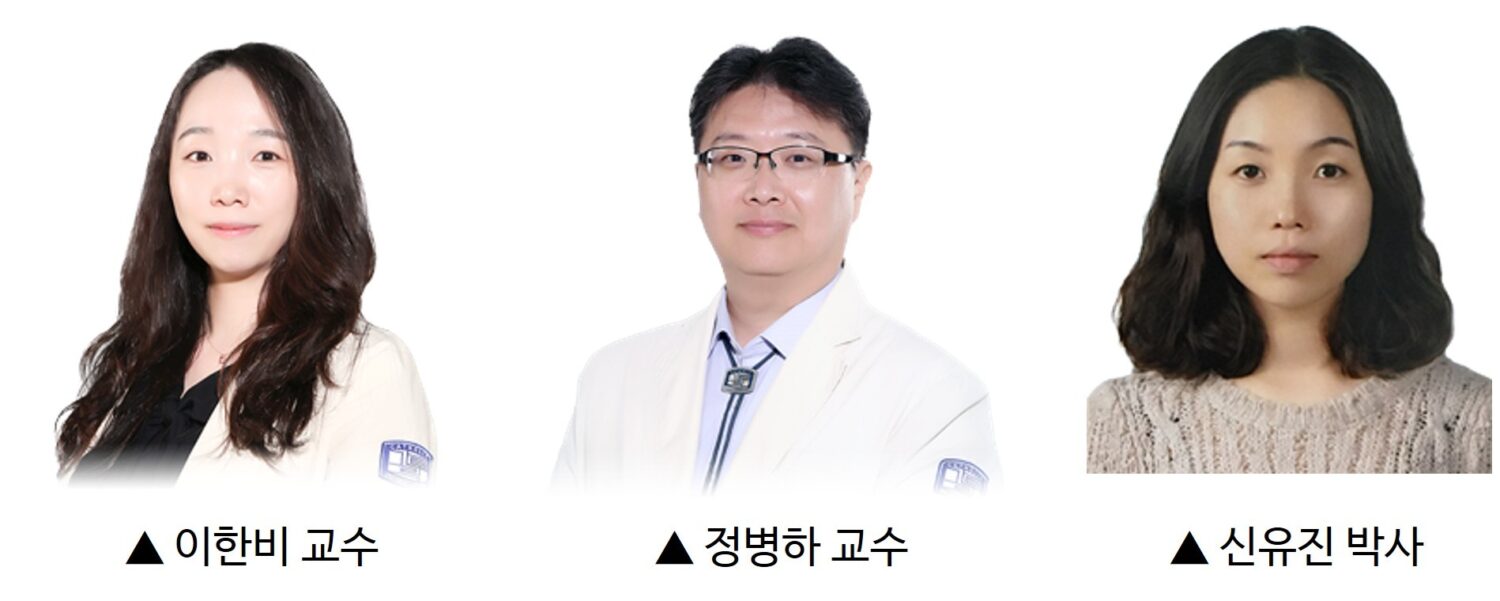
However, a joint research team led by Park Sung-ji, head of the Imaging Center at Samsung Medical Center and professor of cardiology; Oh Soo-young, head of the Moa Intensive Care Center and professor of obstetrics and gynecology; and Shin Hye-young, cardiology professor at Kangbuk Samsung Hospital, recently published findings offering new clarity. The team evaluated 30 years of pregnancy and childbirth records for 138 women with valvular heart disease who delivered at Samsung Medical Center between December 1994 and June 2023. The study was published in the latest issue of the Journal of Korean Medical Science (JKMS).
The mothers in the study were predominantly between 29 and 35 years old, with a median age of 32. In terms of disease severity, 46 patients (33.3%) had mild cases, 67 (48.6%) moderate, and 25 (18.1%) severe—meaning more than half had moderate or severe valvular disease. Notably, there were zero maternal deaths among the patients treated at Samsung Medical Center over the 30-year period. Miscarriages and stillbirths totaled 5 cases (3.6%), preterm births before 37 weeks occurred in 18 patients (13%), and 15 newborns (11.3%) required care in the neonatal intensive care unit (NICU).

Functional status and heart failure history emerge as key risk factors
Crucially, the study revealed that the physical severity of the valve defect alone did not determine pregnancy outcomes. While risk generally increased with more severe valvular disease, valve severity by itself did not allow clinicians to predict complications with precision.
Instead, two specific indicators stood out as major warning signs: experiencing shortness of breath or easy fatigue early in pregnancy during light activities like climbing stairs, and a history of hospitalization for acute heart failure prior to pregnancy. When either factor was present, the risk of pregnancy complications increased by more than sixfold. In short, how well the heart was actively functioning mattered significantly more than the structural severity of the valve damage itself.
"To ensure safe pregnancy and childbirth for mothers with heart disease, obstetric care alone is insufficient," Oh emphasized. "A precise risk assessment evaluating the patient's functional status and heart failure history, alongside multidisciplinary care jointly led by cardiology and obstetrics and gynecology, is critical."
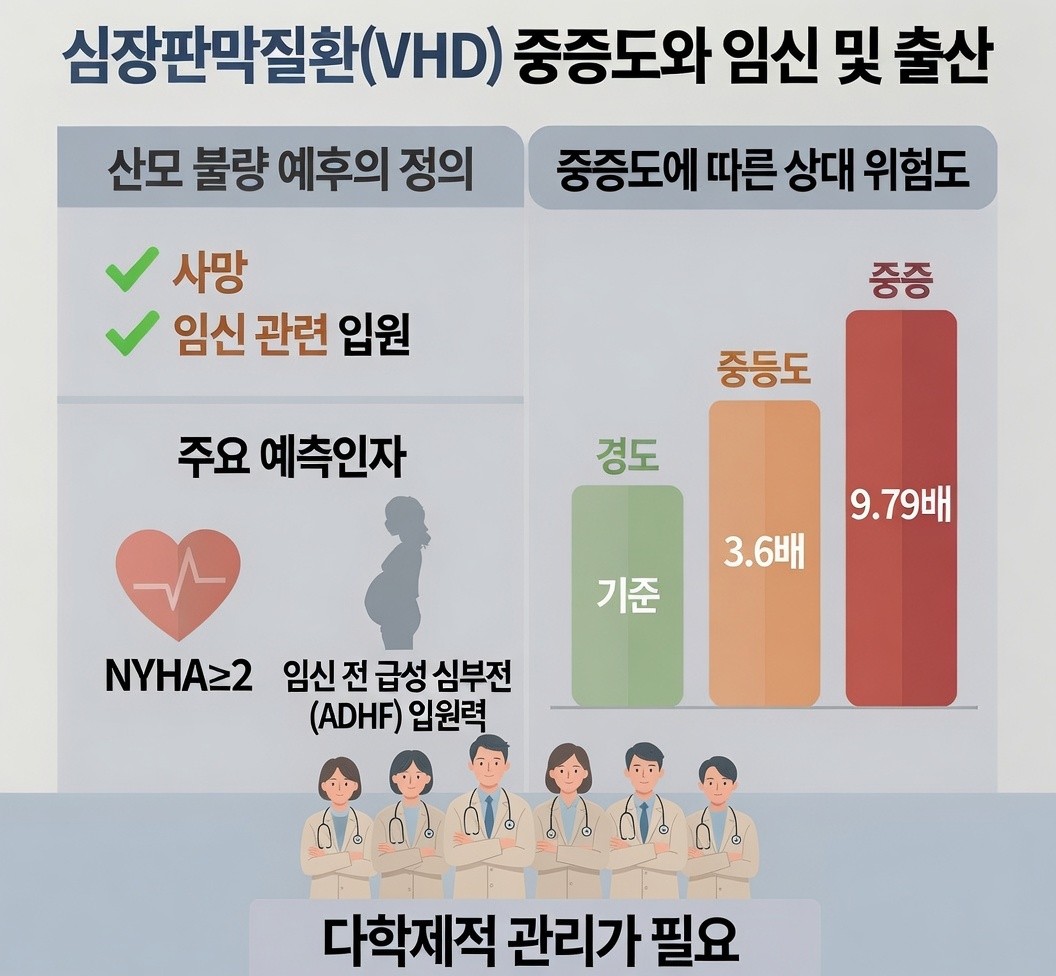
Multidisciplinary care and pre-pregnancy evaluation are essential
The researchers noted one important caveat regarding age. The study’s median maternal age was 32, whereas according to Statistics Korea, the average maternal age at childbirth in South Korea reached 33.8 as of 2025. For first births, the average age was 33.2, and mothers aged 35 and older accounted for 37.3% of all births. Because the paper did not analyze age as an isolated risk factor, older mothers should consult directly with their physicians to evaluate their individual risk profiles.
Ultimately, the findings suggest that women with valvular heart disease who are planning a pregnancy should undergo a comprehensive evaluation of their functional status and heart failure history in cardiology before visiting obstetrics and gynecology.
"This study provides empirical, data-backed evidence of the collaborative cardio-obstetric care model Samsung Medical Center has refined over 30 years," Park said. "We expect it to serve as a crucial foundation for developing Korea-specific risk prediction models and personalized management strategies."
The research team emphasized that while pregnancy and childbirth remain challenging for women with valvular heart disease, with proper multidisciplinary care, it is far from impossible.