The number of cancer diagnoses in South Korea is rising sharply, and warnings about growing case counts are no longer a surprise to the public. However, a deeply concerning shift is underway: cancer incidence is climbing across all age groups, including a notable surge among patients in their 20s and 30s. This shifting demographic directly challenges the long-held medical assumption that aging is the primary driver of the disease.
The fundamental challenge with cancer is that most malignancies do not present distinct physical symptoms in their early stages; when a tumor is small, it has a negligible impact on overall bodily functions. Consequently, medical experts emphasize that a proactive combination of healthy lifestyle habits and regular diagnostic screenings remains the single most effective defense.
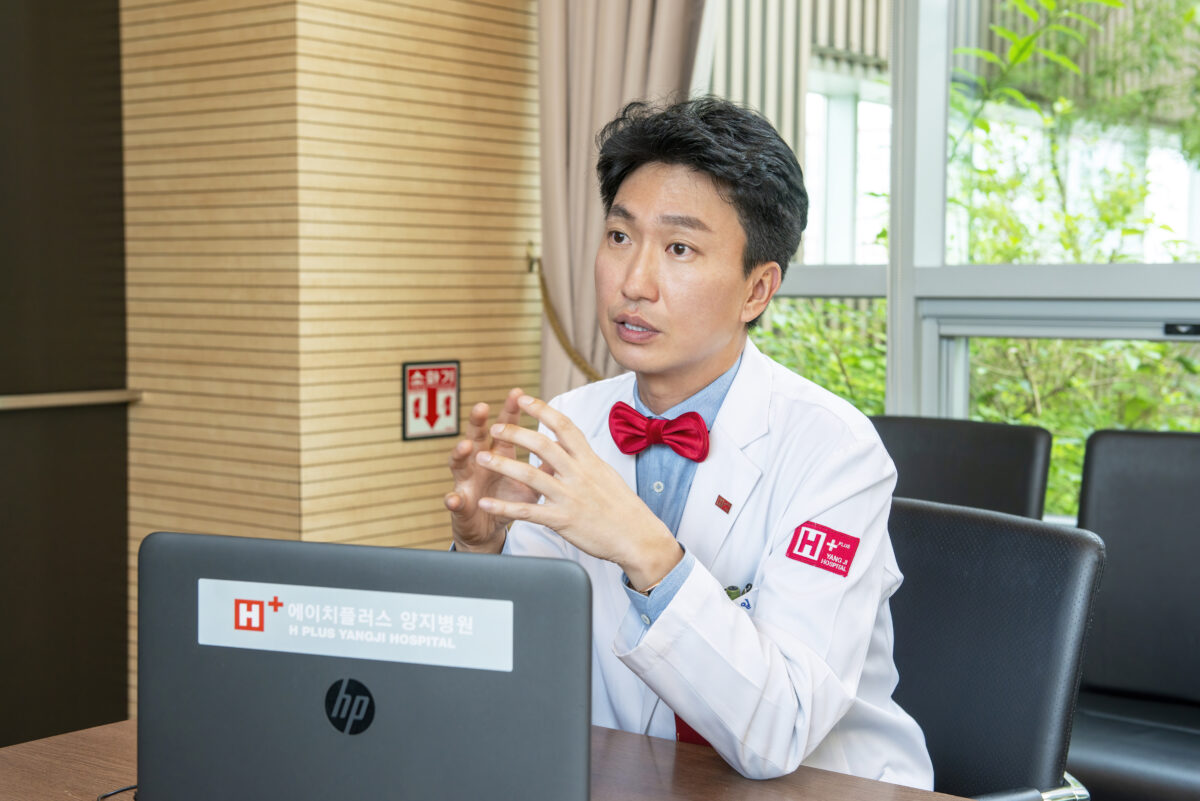
According to Kim Sang-il, a hematology-oncology specialist and the director of H+ Yangji Hospital—a premier regional general hospital widely recognized for its highly competitive diagnostic and health screening capabilities—nothing plays a more decisive role in determining a patient's prognosis than catching the disease early. Having dedicated his career to advanced clinical oncology, specializing in chemotherapy and the systemic management of cancer patients, Kim Sang-il actively treats patients while elevating his hospital's state-of-the-art diagnostic standards. Below, he shares critical insights on what individuals should focus on to protect themselves.
Navigating Life-Saving Screenings and Silent Signals
Are there specific types of cancer that are most commonly detected through routine screenings?
"It is difficult to point to a single malignancy and declare it the most commonly detected, as statistics vary. However, stomach and colorectal cancers are the classic examples where the clinical benefits of routine screening are exceptionally clear. Stomach cancer can be identified at highly treatable stages through regular gastroscopy, while colorectal cancer is caught via annual fecal occult blood tests or colonoscopies. In fact, if we detect and remove pre-cancerous polyps during a colonoscopy, we can effectively prevent colorectal cancer from developing in the first place."
How should individuals customize their cancer screening schedules based on their age and sex?
"First and foremost, no one should ever miss their scheduled national cancer screenings. In South Korea, men and women aged 40 and older are eligible for a gastroscopy every two years, and those aged 50 and older should undergo an annual fecal occult blood test. For women in their 20s and 30s, staying up to date with cervical cancer screenings is essential, while routine mammograms for breast cancer become vital starting at age 40.
Additionally, individuals with a clinical history of liver cirrhosis or chronic hepatitis B or C are considered high-risk for liver cancer and should receive screenings—including abdominal ultrasounds and blood tests—every six months starting at age 40. For lung cancer, the high-risk cohort comprises individuals aged 54 to 74 with a smoking history of 30 pack-years or more; they are eligible for low-dose chest CT screenings.
By sex, women should prioritize cervical and breast health, while men should focus heavily on stomach, colorectal, and lung screenings. Middle-aged and older men should also consider prostate cancer testing, particularly if they have a family history or corresponding lower urinary tract symptoms."
Given that cancer is famously quiet in its early stages, are there any subtle physical warning signs that should prompt an immediate medical evaluation?
"Unexplained weight loss is one of the classic red flags. Other common warning signs include persistent, unexplained fatigue, low-grade fevers, chronic coughing, and chronic indigestion. More obvious indicators include blood in the stool or urine, a palpable lump, and, for women, abnormal vaginal bleeding.
Of course, it is impossible to diagnose cancer based on symptoms alone. However, if any of these subtle changes persist or worsen over a period of two to three weeks, seeking diagnostic testing is highly recommended. Individuals with a strong family history of cancer, or those who smoke and drink regularly, should be particularly vigilant and never ignore even minor physical changes."
Lifestyle modification is clearly a cornerstone of prevention. If you had to identify the single worst habit for overall health, what would it be?
"The most detrimental habit is maintaining an irregular diet dominated by overly spicy, salty, or highly stimulating foods. When this poor dietary pattern is combined with a punishing workload, chronic stress, and systemic sleep deprivation, it creates a perfect storm for cellular damage.
But there is a psychological habit that is perhaps even more dangerous: the tendency of younger people to brush off persistent indigestion, heartburn, or abdominal discomfort with the mindset of, 'I'm young, so I'll be fine.' While stomach and colorectal cancers are heavily influenced by lifestyle, catching them early dramatically improves survival rates. You must learn to listen to your body and act on its signals quickly."
Is there a central message you want to emphasize to patients and caregivers currently navigating the cancer treatment process?
"The key to successful cancer therapy is not discovering some unverified 'miracle cure.' Rather, it is carefully managing your baseline physical health so that you have the stamina to complete your proven, scientifically validated treatments to the very end.
It is incredibly painful to see patients and their loved ones get swayed by unscientific claims. I fully understand their vulnerability; when a loved one is diagnosed, well-meaning friends and relatives will inevitably bombard them with recommendations for specific foods, health supplements, or alternative folk remedies. However, introducing these unverified elements—especially during active chemotherapy—can severely interfere with treatment efficacy and put a life-threatening burden on liver and kidney function. Even if you are eager to try a supplement, please bring the exact ingredient list or product name to your medical team to discuss it first."