Gwanak-gu in southern Seoul holds the highest concentration of single-person households among young adults in their 20s and 30s. Near the bustling, youthful corridors of Dorimcheon Stream and Sillim Station, a medical institution marking its 50th anniversary this year has quietly yet firmly held its ground.
That institution is H Plus Yangji Hospital, a general hospital that draws an average of more than 2,000 patients daily. Equipped with 28 clinical departments, roughly 110 physicians, 10 specialized centers, and 325 beds, the hospital has carved out a distinct and highly competitive niche in Seoul, a city where giant university hospitals typically dominate the healthcare landscape. Its enduring success reflects not only its modern facilities and scale, but the deep-seated trust it has cultivated with local residents over half a century.
The hospital's journey began humbly as a neighborhood clinic. In March 1976, obstetrics and gynecology specialist Kim Ran-hee opened a small OB-GYN practice at the Sillim Intersection in Gwanak-gu. Soon after, her husband, an internal medicine specialist, joined the practice, establishing "Kim Chul-soo Internal Medicine · Kim Ran-hee Obstetrics and Gynecology" in what was then a largely underdeveloped neighborhood. The couple routinely treated patients late into the evening and stayed up until dawn discussing complex cases.
In 1980, the clinic expanded into "Yangji Hospital," growing to feature six departments and 51 beds. Kim Chul-soo, then the hospital director and now chair of the board at H Plus Yangji Hospital, operated under the firm conviction that medical care should be accessible to everyone, regardless of socio-economic status. This philosophy inspired the name "Yangji," which translates to "warm sunlight," symbolizing the hospital's mission to bring warmth and hope to patients overshadowed by illness and financial hardship.
This founding philosophy remained intact as the hospital expanded. In 2007, it achieved general hospital status and was designated a regional emergency medical institution, cementing its role as a vital local healthcare anchor. However, Yangji Hospital was already preparing for an even larger leap forward.
Anchoring the Community and Elevating Local Care
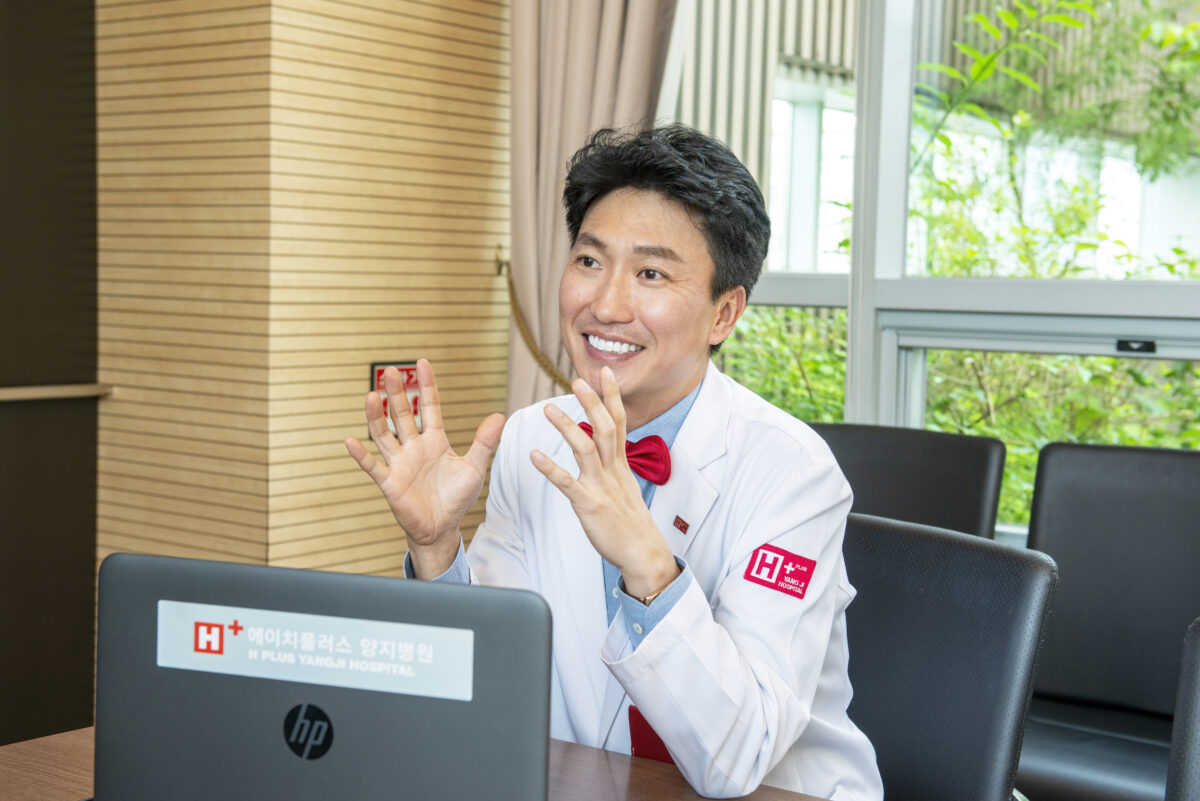
In 2008, Kim Sang-il took over the leadership mantle from his father as the current hospital director. For Kim Sang-il, his most urgent priority was deepening the hospital's connection with the local community.
"It was a hospital with a long history, but at the time, it wasn't necessarily the first place local residents turned to when they fell ill," Kim Sang-il recalled. "Public perception wasn't uniformly positive either. Ultimately, I realized that strengthening our foundational role as a regional hub hospital had to come first."
Kim Sang-il envisioned a comprehensive facility where residents could confidently manage their entire medical journey—from initial diagnosis and surgery to hospitalization and full recovery—all under one roof. To achieve this, he aggressively invested in top-tier medical talent, advanced facilities, and cutting-edge equipment at a rate outstripping many peer institutions. Following a comprehensive remodeling of the main building, the institution was rebranded as "H Plus Yangji Hospital." The "H" represents Hope, Humanity, and Healing, while the "Plus" signifies the collective pursuit of superior care.
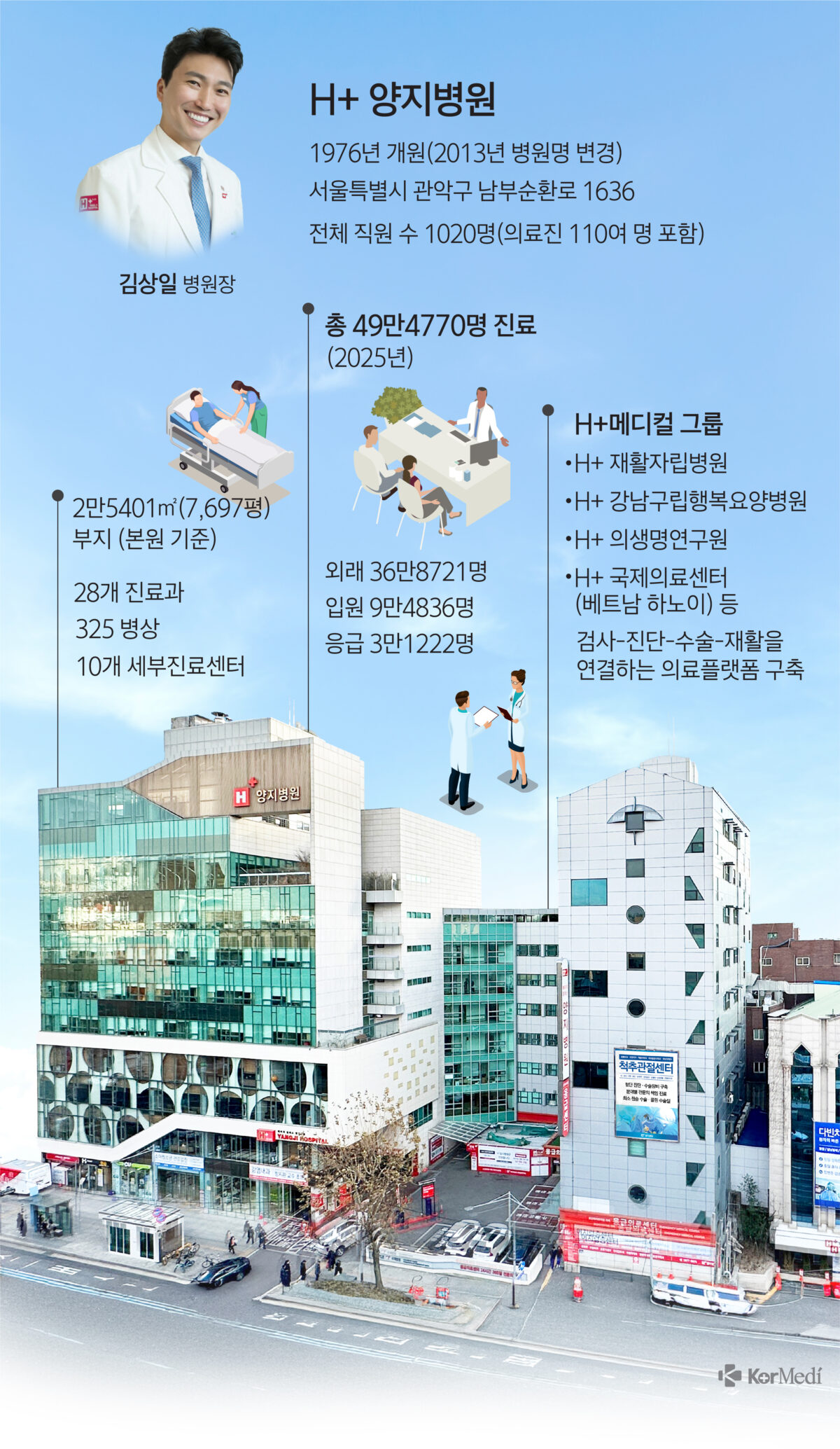
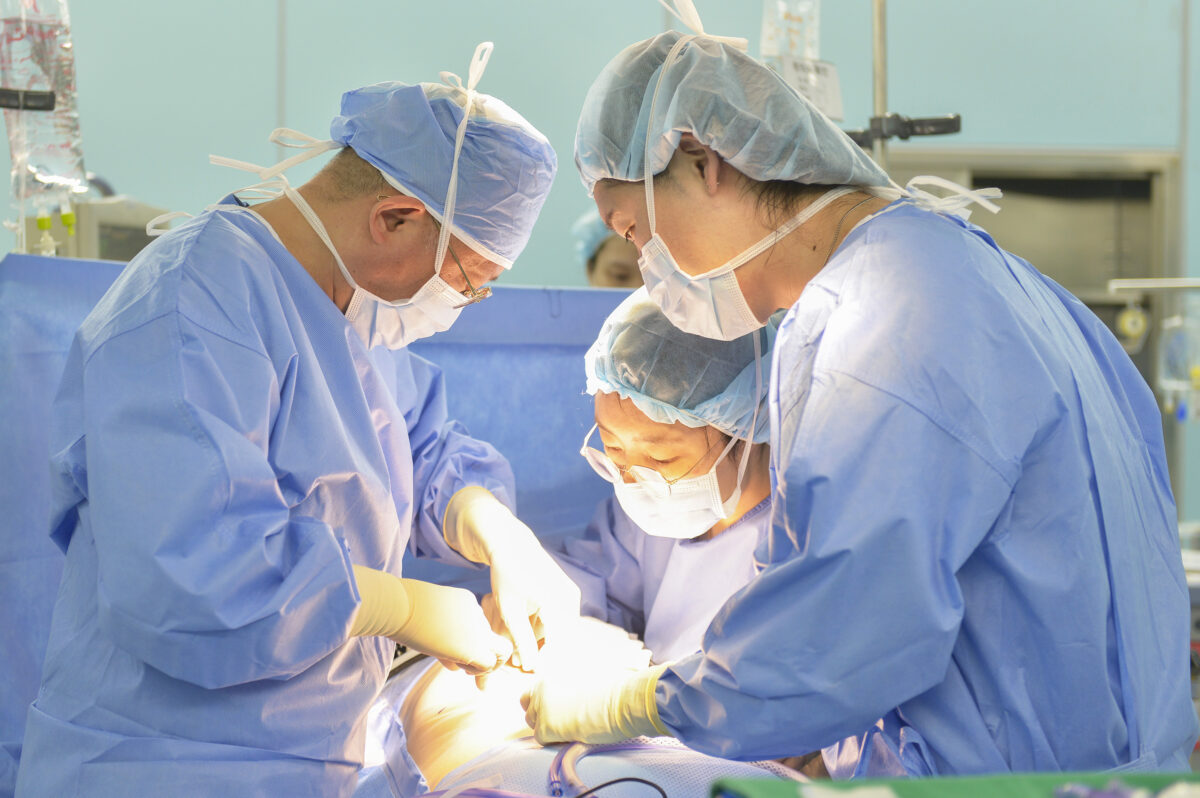
The hospital's specialized gastroenterology department quickly established an outstanding reputation. It earned a Grade 1 rating five consecutive times in the Health Insurance Review & Assessment Service’s adequacy assessment for stomach cancer, and a Grade 1 rating four consecutive times for colorectal cancer. In 2018, the hospital opened a dedicated, affiliated gastroenterology hospital, which now performs more than 30,000 gastrointestinal endoscopies and roughly 1,000 complex therapeutic endoscopies annually. Similarly, the Bariatric and Diabetes Surgery Center delivers clinical outcomes on par with major university hospitals, performing over 250 severe obesity and related metabolic complication surgeries each year.
"A true regional hub hospital meets patients right where they live," Kim Sang-il noted. "What matters most is receiving high-quality treatment within your daily living area. That isn't achieved simply by expanding physical space. It requires understanding a patient's medical history, their environment, and managing their post-treatment life."
Beyond clinical medicine, the hospital operates as a dedicated community partner. Through public health lectures, medical volunteer campaigns, and direct support for vulnerable populations, it actively protects local welfare. In 2018, the hospital established the "Warm Heart Sponsorship Association" to fund medical expenses for low-income patients, alongside ongoing meal-service volunteering at senior centers, charity bazaars, and sponsorships for child welfare facilities.
International care forms another core pillar of the hospital's modern identity. The affiliated H Plus International Hospital caters to both foreign residents in South Korea and medical tourists from abroad, having treated patients from 130 countries to date. Utilizing native-speaking coordinators fluent in English, Russian, Mongolian, and other languages, the center provides seamless, barrier-free medical services. Last year, it formally received the Ministry of Health and Welfare's official certification as a "medical institution for attracting foreign patients," validating its position as a trusted global gateway.
A Technological Leap Born From Crisis
H Plus Yangji Hospital captured the global spotlight in 2020 during the height of the COVID-19 pandemic. As medical institutions worldwide buckled under the logistical strain of processing hundreds of daily tests, healthcare workers faced exhaustion in heavy protective gear while patients waited outside in freezing temperatures. H Plus Yangji Hospital was the first to design a revolutionary solution.
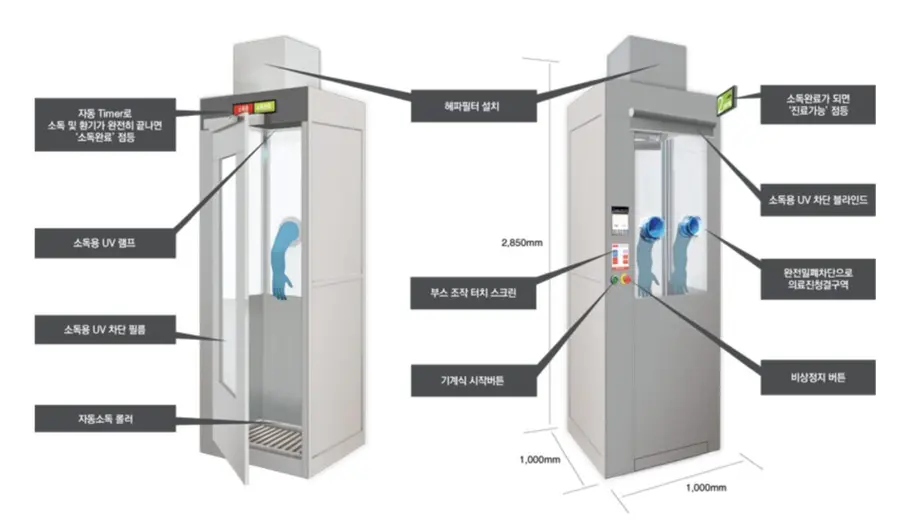
The hospital engineered the world's first "walk-through screening clinic." Patients stepped into a negative-pressure booth roughly the size of a public telephone kiosk, allowing medical staff to remain completely isolated on the other side of a secure wall while safely collecting specimens through built-in heavy-duty gloves. This innovation minimized direct contact, drastically reduced testing turnaround times, and transformed South Korea's pandemic response infrastructure.
The breakthrough received extensive international coverage from over 50 major global media outlets across 30 countries, including CNN and the BBC. Yet, for Kim Sang-il, the institutional growth outweighed the media attention.
"We gained invaluable experience in inventing our own solutions during a crisis with no predetermined answers," Kim Sang-il stated. "This pivotal moment prompted us to adopt an entirely new perspective on medical innovation and accelerated our transition into a smart hospital."
Today, this forward-thinking approach manifests in advanced technologies like artificial intelligence (AI)-assisted colonoscopies, where AI algorithms analyze endoscopic feeds in real time to flag suspected polyps and assist clinicians. The hospital has also deployed automated, wearable electrocardiogram (ECG) devices to continuously monitor the real-time biometric data of hospitalized patients.
From a Gwanak-gu Hub to an Asian Medical Gateway
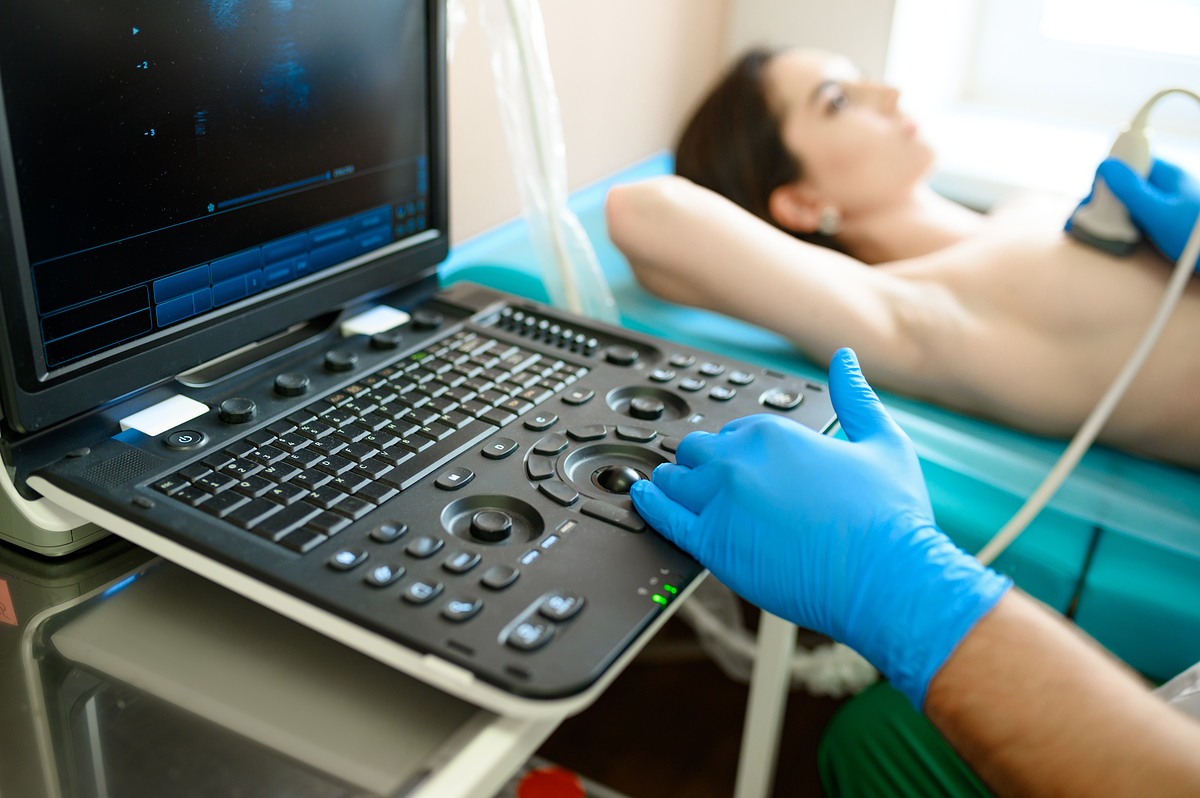
In December 2024, the hospital expanded its footprint internationally by launching the H Plus International Medical Center in Hanoi, Vietnam. This marks the first international medical facility established with 100% investment by a South Korean hospital and operated entirely independently. Spanning approximately 910 pyeong, the state-of-the-art facility is equipped with comprehensive diagnostic infrastructure, including magnetic resonance imaging (MRI), computed tomography (CT), advanced digital X-ray, mammography, endoscopy, and ultrasound systems.
The Hanoi center now delivers premium health screening services to local high-net-worth individuals, South Korean expatriates, Vietnamese citizens, and international patients from 69 countries visiting the capital.
Navigating disparate medical regulations, cultural nuances, language barriers, and distinct insurance frameworks presented massive hurdles. Building international trust in a South Korean medical model required deliberate, long-term effort. Rather than focusing purely on exporting technology, Kim Sang-il introduced a highly sustainable collaborative framework known as the "Global Fast Track System." If local screenings or treatments reveal critical health anomalies, the system immediately connects the patient to the main hospital in Seoul.
"If a serious illness is diagnosed or requires highly precise surgical intervention, specialists at our Seoul headquarters conduct real-time collaborative consultations utilizing the local diagnostic images and clinical data," Kim Sang-il explained. "This transcends simple video telemedicine; it is a comprehensive system designed to eliminate geographical barriers and grant instant access to world-class specialists."
He added, "Five decades of building deep competitiveness within a single domestic community gave us the systematic experience needed to seamlessly link screening, diagnosis, and treatment. South Korean hospitals possess exceptionally rich clinical experience and highly refined multi-disciplinary collaboration models. We knew that by layering a robust, specialized telemedicine platform over this foundation, we could overcome the traditional limitations of cross-border healthcare."
Even as the hospital extends its reach into Southeast Asia, Kim Sang-il emphasizes that the spiritual heart of the institution remains firmly rooted in Gwanak-gu. When reflecting on the hospital's long-term vision, his goal remains simple: "I want H Plus Yangji Hospital to be remembered above all as the place local residents can implicitly trust and turn to closest to home."
What began as a single neighborhood OB-GYN clinic half a century ago has evolved into an innovative blueprint for community general hospitals, showcasing how regional care can scale to meet global standards.
"A hospital must never lose sight of its primary responsibility and mission to its community," Kim Sang-il concluded. "Beyond outpatient services and complex surgeries, we aim to provide a continuous spectrum of care—from recovery and rehabilitation to long-term health management and advanced clinical research—all within a unified network. Our ultimate objective is to remain an innovative hospital where residents receive treatment with absolute peace of mind, employees work with profound pride, and society grows stronger together."
Approaching its 50th year, the hospital continues to reinvent itself, driven by the exact same principle that guided its founders in 1976: reaching out first, from the closest possible place.