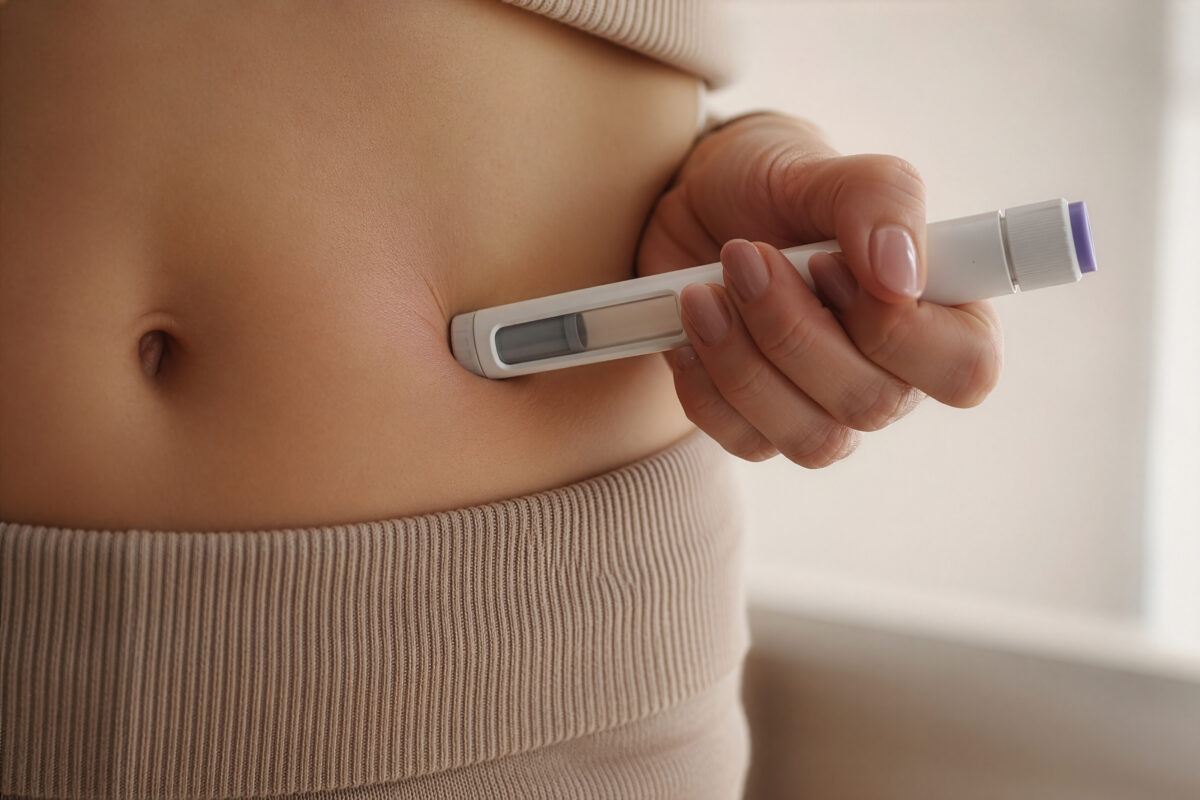
South Korea’s Ministry of Food and Drug Safety (MFDS) issued a strong warning on July 8 against the misuse and abuse of GLP-1 class anti-obesity medications, emphasizing that these specialized treatments should only be administered under the strict supervision and prescription of a medical specialist.
GLP-1 class obesity drugs are prescription-only medications designed to mimic the glucagon-like peptide-1 (GLP-1) hormone, which works to reduce appetite and prolong feelings of fullness. Depending on the specific drug formulation, these treatments target either the GLP-1 receptor alone or simultaneously activate the glucose-dependent insulinotropic polypeptide (GIP) receptor as well. Prominent medications officially approved by the MFDS for chronic weight management include Novo Nordisk's Wegovy (semaglutide) and Saxenda (liraglutide), alongside Eli Lilly's Mounjaro (tirzepatide).
Under regulatory guidelines, these treatments are strictly indicated for adult patients clinically diagnosed with obesity, defined as having an initial body mass index (BMI) of 30 kg/m² or higher. They may also be prescribed to overweight adults with a BMI between 27 kg/m² and 30 kg/m² who suffer from at least one weight-related comorbidity, such as type 2 diabetes, hypertension, dyslipidemia, obstructive sleep apnea, or cardiovascular disease.
The MFDS strongly cautioned against the growing social perception of these therapies as casual lifestyle aids. "There is a worrying trend of these treatments being misused because they are mistakenly referred to simply as 'diet pills,'" the MFDS stated. "Anti-obesity medications are potent prescription drugs that must only be utilized following a formal medical diagnosis and strictly in accordance with professional pharmaceutical guidance."
This caution is even more critical for growing adolescents, where insufficient nutritional intake or sudden, extreme weight loss can permanently disrupt physical growth and development. The agency noted that GLP-1 class obesity drugs approved for adolescent use are limited to a very select few products. Furthermore, pediatric eligibility is confined to adolescents aged 12 and older who have been formally diagnosed with obesity by a doctor, weigh more than 60 kg, and possess a BMI that, when adjusted for age and sex, corresponds to an adult baseline of 30 kg/m² or higher.
Regulatory authorities are also urging consumers to avoid sourcing these medications through illicit channels, such as unauthorized overseas direct-purchasing websites.
"Products obtained via direct overseas buying have not undergone rigorous verification for safety and efficacy," the MFDS warned. "Because their manufacturing and distribution networks cannot be authenticated, there is a substantial risk of encountering counterfeit, contaminated, or defective medicine. Furthermore, if a consumer experiences adverse side effects or medical harm from these illicit products, it is exceptionally difficult to receive legal protections, recalls, or government compensation."
To safeguard public health, the MFDS announced plans to expand intensive inspections targeting medical clinics, weight-loss centers, and pharmacies. The enforcement push will focus heavily on cracking down on exaggerated advertisements and the illegal marketing of obesity drugs for unapproved, off-label cosmetic weight loss.
Meanwhile, clinical experts continue to emphasize that medication alone is not a magic bullet for chronic weight management. To maximize the therapeutic efficacy of GLP-1 therapies and successfully maintain weight loss, patients must combine the treatment with structured dietary modification and regular physical exercise. Because clinical data indicates that weight frequently rebounds once the medication is discontinued, healthcare providers advise establishing an ongoing, long-term weight-management strategy in close consultation with a physician.