The race to develop regenerative cell therapies for an ultra-rare disease that leaves patients born without a thymus—making them highly vulnerable to life-threatening infections—is intensifying. By purchasing a preclinical-stage thymic cell therapy company, U.S.-based United Therapeutics is adding a novel approach aimed at restoring immune function in patients with congenital athymia.
United Therapeutics announced on July 2 (local time) that it has acquired Thymmune Therapeutics, a privately held biotechnology company developing scalable, regenerative thymic cell therapies. The acquisition grants United Therapeutics full access to Thymmune’s lead preclinical candidate, THY-100, and its underlying technology platform.
United Therapeutics is a Nasdaq-listed U.S. biopharmaceutical company heavily focused on pulmonary hypertension treatments, regenerative medicine, and organ transplantation technologies. Already marketing successful pulmonary arterial hypertension drugs such as Tyvaso and Remodulin, the company has aggressively expanded its footprint into alternative transplant technologies, including gene-edited pig organs, regenerative medicine, and 3D organ bioprinting.
Under the terms of the agreement, United Therapeutics paid $140 million in upfront cash (approximately 210 billion won) to acquire Thymmune Therapeutics. The deal also includes milestone-based earn-out payments of up to an additional $160 million (approximately 250 billion won) through 2031, contingent upon the achievement of specific clinical development and regulatory milestones. The total projected value of the transaction reaches $300 million (approximately 460 billion won).
Restoring Immune Function in an Ultra-Rare Disease
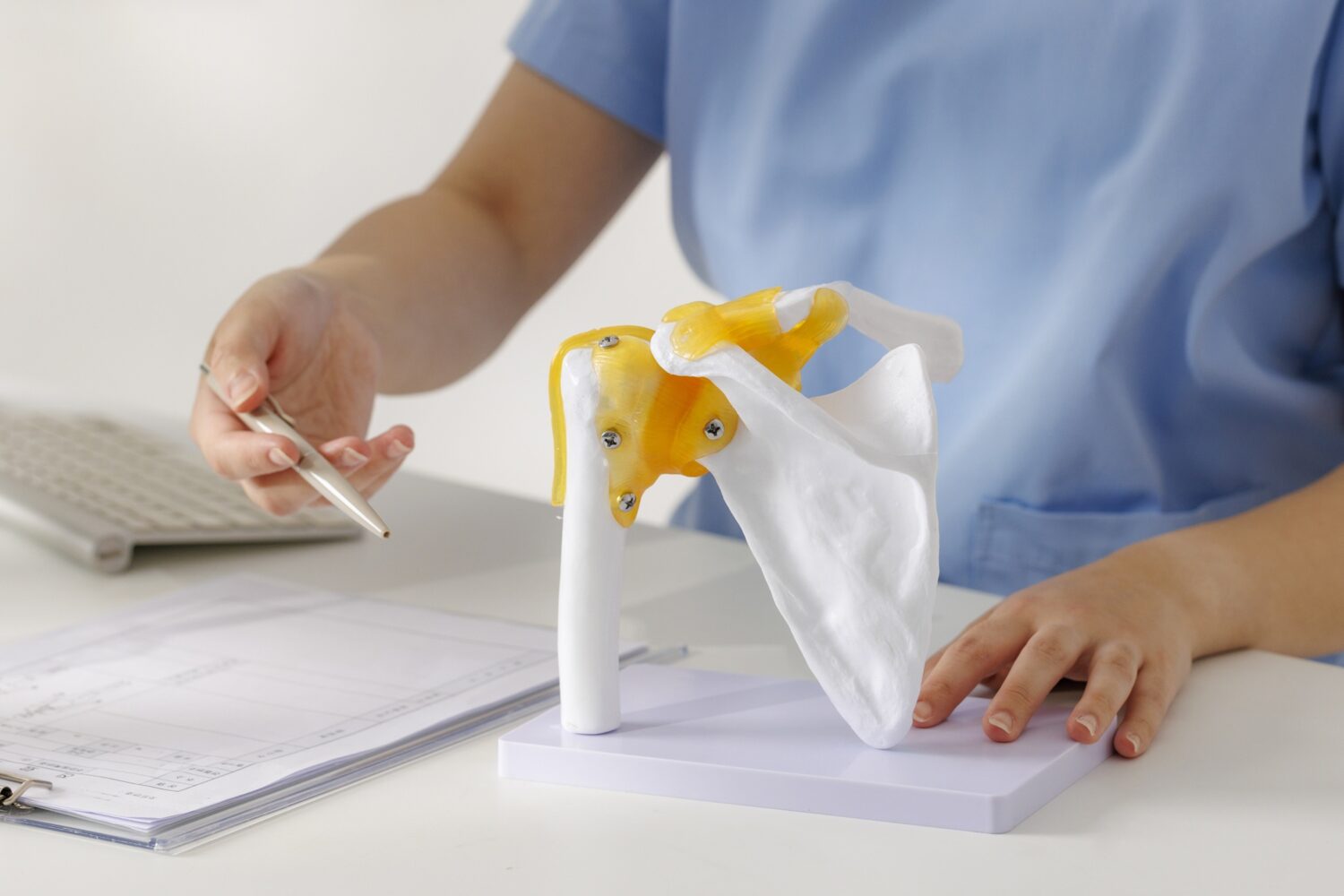
The thymus is a critical immune organ located behind the breastbone in the center of the chest. It serves as the primary site where T cells—which play a fundamental role in the body's ability to fight off pathogens and disease—develop and mature. When thymic function is absent or severely diminished, the body cannot build a functional immune system capable of responding properly to external pathogens.
Thymmune Therapeutics' proprietary technology platform focuses on converting human induced pluripotent stem cells (iPSCs) into functional thymic cells. Induced pluripotent stem cells are adult cells that have been genetically reprogrammed back into a versatile, embryonic-like state, allowing them to differentiate into various specialized cell types. Thymmune Therapeutics leverages this platform to develop therapies that convert iPSCs into functional thymic tissue to facilitate normal T-cell development inside the patient's body.
The company's lead candidate, THY-100, is currently in preclinical development for the treatment of congenital athymia. Congenital athymia is an ultra-rare, life-threatening immune disorder in which infants are born without a functioning thymus, preventing the proper production of T cells. In South Korea, thymic hypoplasia is well-documented as a hallmark feature of congenital conditions such as DiGeorge syndrome.
While THY-100 has not yet entered human clinical trials, animal studies have demonstrated promising results. Following administration of the cell therapy, researchers observed the in vivo formation of a "neo-thymus"—a lab-grown equivalent of a replacement thymus—that successfully facilitated and promoted T-cell development.
The acquisition aligns directly with United Therapeutics' strategic push to broaden its portfolio in regenerative medicine and organ transplantation. The company believes that Thymmune Therapeutics' thymic regeneration technology could eventually expand far beyond congenital athymia. Potential applications include inducing immune tolerance after organ transplantation, treating severe immune-mediated diseases, and restoring diminished immune function in older adults.
Immune tolerance involves modulating the immune system so that the body does not recognize a transplanted organ as foreign and launch an attack against it. However, because THY-100 remains in the preclinical phase, it must still demonstrate robust safety and efficacy in upcoming human clinical trials before becoming an approved, commercially viable therapy.