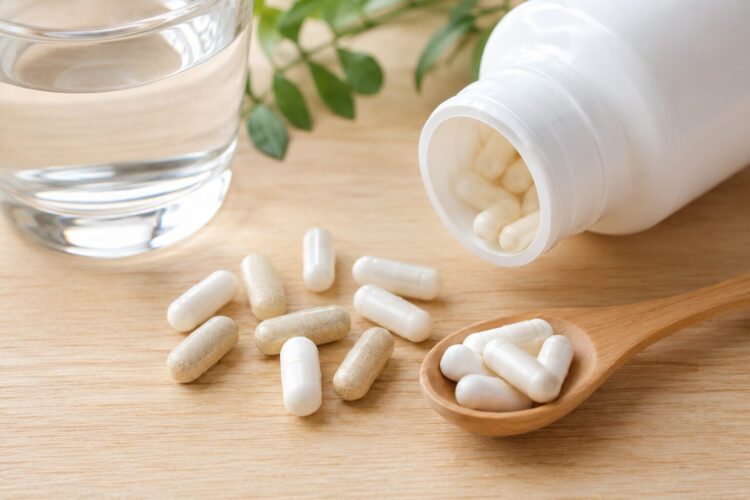
These days, millions of people jumpstart their morning routines by reaching for a daily dose of probiotics. Yet, a common frustration echoes among consumers: despite strict daily compliance, many report noticing no discernible change in their digestive health. The explanation often traces back to a biological survival bottleneck. The clinical efficacy of even the highest-quality probiotic depends entirely on how many live bacteria actually survive the treacherous journey to the intestines—a variable dictated by consumption timing, formulation type, and daily habits.
Historically, conventional wisdom dictated that probiotics must strictly be consumed on an empty stomach. However, modern guidelines have grown more nuanced. Many contemporary products now explicitly recommend ingestion during or immediately following a meal. Food acts as a natural buffer, partially neutralizing harsh stomach acid and providing a safer transit environment for delicate microorganisms. Ultimately, there is no universal rule. Optimal timing hinges on a product's manufacturing method, whether it features specialized coatings, and the specific biological strains used, such as Lactobacillus or Bifidobacterium. Because different strains exhibit vastly different environmental tolerances, checking individual product directions and maintaining a consistent daily schedule remains paramount.
From Capsules to Coffee: Factors Sabotaging Bacterial Survival
The physical delivery system also determines how effectively these cultures reach their destination. Enteric-coated capsules are engineered specifically to withstand highly acidic gastric juices, dissolving only when they reach the more alkaline environment of the intestines. This targeted technology is highly effective at shielding acid-vulnerable strains. Conversely, standard powders, chewables, or liquid formulations are more exposed to the volatile stomach environment, though they offer a convenient, easily consumed alternative for children and older adults.
Beyond delivery mechanisms, routine morning habits can inadvertently neutralize these supplements. Because probiotics consist of live microorganisms, they are highly sensitive to extreme temperatures. Swallowing a supplement alongside a hot cup of coffee, tea, or boiling water can effectively kill the active cultures before they even settle in the body. If coffee is a non-negotiable part of a morning routine, experts recommend introducing a distinct time buffer between the caffeine fix and the supplement. Furthermore, storage conditions require vigilance; leaving bottles in high-heat or humid zones—such as a sun-exposed vehicle in the summer or near a kitchen stovetop—can rapidly degrade product viability.
Navigating the Antibiotic Bottleneck
Another critical but frequently overlooked factor is concurrent medication use, particularly antibiotics. While antibiotics are essential for eradicating bacterial infections, they are indiscriminate killers, destroying both harmful pathogens and the beneficial microbes introduced by probiotics. Taking both medications simultaneously essentially cancels out the supplement's efficacy.
To circumvent this, medical professionals generally advise spacing antibiotics and probiotics at least two hours apart. Continuing a probiotic regimen for a specified period after finishing an antibiotic course can significantly accelerate the restoration of a balanced gut microbiota. However, individuals with severely compromised immune systems or complex underlying medical conditions should always consult their attending physician before introducing or adjusting their probiotic intake.