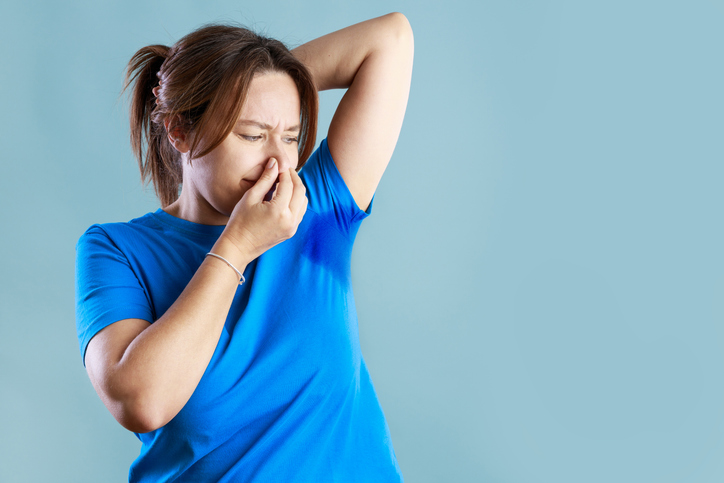
In crowded, enclosed spaces during the summer—such as subway cars or elevators—the body odor of others often feels overwhelmingly strong. Paradoxically, most individuals struggle to notice their own personal scent. As rising heat and humidity drive up sweat production, body odor naturally intensifies, making it essential to understand the underlying triggers of this condition and how everyday habits can help manage it.
The Biological Triggers of Underarm and Foot Odor
One of the most prevalent culprits behind distinct body odor is axillary osmidrosis, commonly referred to as underarm odor. This condition occurs when secretions from the apocrine sweat glands—which are densely concentrated in the armpits—are broken down by resident bacteria on the skin's surface, releasing a uniquely pungent smell. Foot odor follows a similar microbial path; when trapped sweat causes dead skin cells on the feet to swell, bacteria and fungi multiply rapidly. This process generates an unpleasant odor that progressively worsens the longer one wears poorly ventilated footwear.
Those dealing with axillary osmidrosis frequently notice a yellowish staining on the underarm areas of their white undershirts or clothing. This discoloration happens because apocrine sweat is not just water; it contains a complex mixture of fats, proteins, and pigments. The condition is statistically more common in women than in men and can manifest more severely in individuals experiencing obesity. Furthermore, due to hormonal fluctuations across the menstrual cycle, women may experience a heightened intensity in body odor around the time of ovulation or immediately prior to menstruation.
Diagnostic Self-Testing and the Genetic Connection
To determine if your body odor reaches a severe level, experts suggest a simple diagnostic self-check. Approximately two hours after bathing, thoroughly wipe the underarm area with a piece of clean gauze and smell it. If a distinct, unmistakable odor is detectable from a distance of about 30 centimeters away, axillary osmidrosis may be suspected. Genetics play a heavy role in this physical trait; the condition is notably more prevalent among individuals who inherit wet-type earwax compared to those who possess dry-type earwax.
Hygiene Habits, Dietary Adjustments, and Medical Solutions
Fortunately, targeted lifestyle adjustments can substantially reduce daily odor. Keeping underarm hair appropriately trimmed or shaved minimizes the surface area where sweat and bacteria can linger on the skin. After periods of heavy sweating, it is best to shower promptly and change into breathable, moisture-wicking clothing and underwear. Utilizing deodorant and keeping the armpit area as dry as possible throughout the day are also highly effective baseline practices.
Dietary habits are another critical, often overlooked factor in managing personal scent. Regularly overeating meats high in animal fat or consistently consuming foods loaded with saturated fats can alter sweat composition and significantly increase the likelihood of developing a stronger, sharper body odor. Cutting back on greasy options in favor of a clean, well-balanced diet provides an unexpected but powerful way to mitigate the issue from the inside out.
However, if the odor persists despite rigorous lifestyle and hygiene changes, or if it begins to take a toll on personal relationships and social confidence, seeking professional medical care is advisable. Specialists can evaluate the symptoms and recommend a variety of clinical treatments—ranging from topical prescription medications and botulinum toxin injections to targeted surgical interventions—allowing individuals to choose an approach tailored to their specific needs.