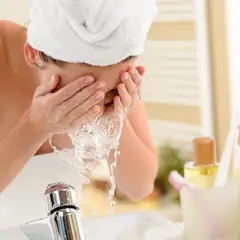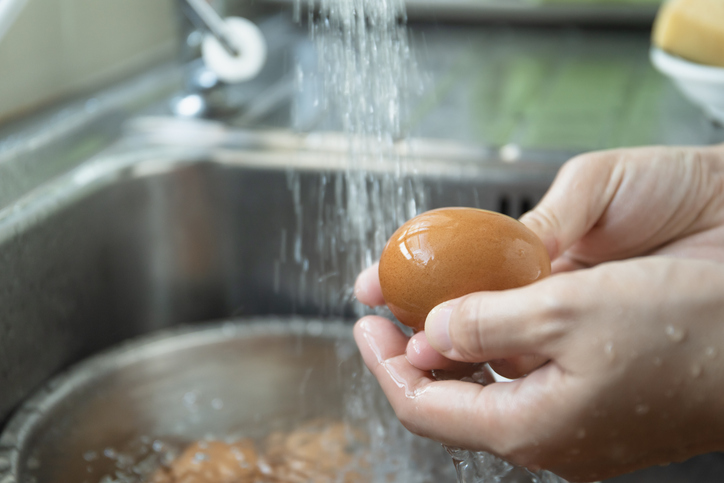
Washing ingredients before cooking is a deeply ingrained kitchen routine, but rinsing everything that crosses your cutting board can often do more harm than good. In some cases, running water over food can spread dangerous bacteria to nearby surfaces, destroy natural textures, or strip away protective layers.
To keep your kitchen safe and your meals flavorful, here are five foods you should stop washing before cooking.
Eggs
Freshly laid eggs are shielded by a thin, natural protective coating on the shell that seals tiny pores, helping keep bacteria from getting inside. Because commercially sold eggs are handled with this protective function in mind, washing them at home is completely unnecessary. In fact, washing can damage the coating, making it easier for harmful bacteria to penetrate into the egg. The safest approach is to store eggs unwashed in the refrigerator and eat them only after they are thoroughly cooked.
Red Meat
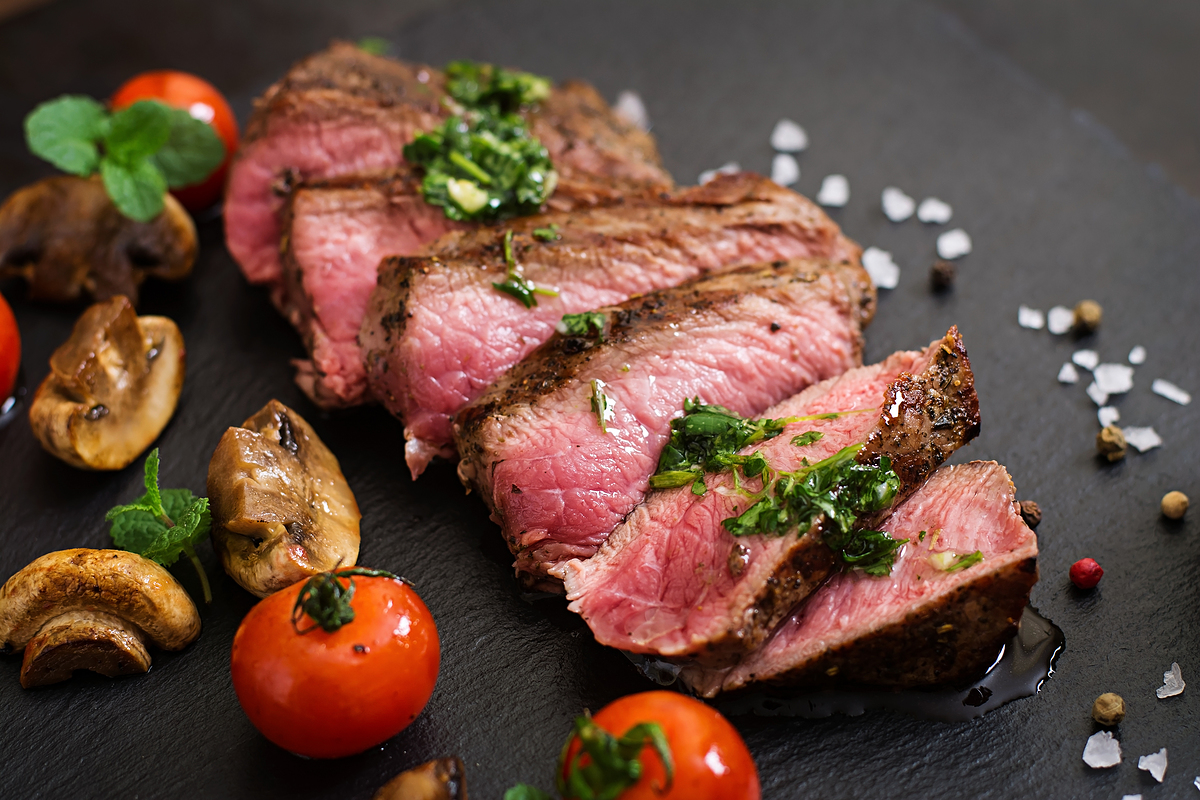
Bacteria on red meat can exist not only on the surface but also deep within the muscle tissue, meaning a simple rinse with water will not remove it all. Instead, splashing water during washing raises the risk of contaminating the sink, cooking utensils, and nearby ingredients. Rather than washing meat, cooking it thoroughly above the recommended temperature is the only effective way to prevent food poisoning. In general, cooking to an internal temperature of at least 63°C is recommended.
Chicken
You also should not wash raw chicken in water before cooking. Splashes can easily spread around the kitchen and transfer bacteria to other ingredients or cooking tools. Studies have even reported cases in which bacteria were detected in sinks and on salad greens after raw chicken was washed.
If you still decide washing is necessary, do not rinse it under running water. Instead, place it in a large bowl and wash carefully, then immediately disinfect the sink and surrounding areas. Salmonella and Campylobacter bacteria that may be present in raw chicken are mostly killed when heated sufficiently to an internal temperature of at least 75°C.
Mushrooms
Mushrooms possess a sponge-like structure that readily absorbs moisture. Soaking them for a long time or washing them under running water can waterlog them, which dulls their texture and dilutes their flavor. Instead of rinsing them with water, lightly wipe off any dirt and debris from the surface with a damp paper towel.
Cooked Pasta
Rinsing pasta in cold water after boiling it, as you might with certain noodles, is a culinary misstep. Rinsing washes away the valuable surface starch, making it harder for sauce to cling to the pasta. Unless you are making a dish meant to be eaten cold, such as a pasta salad, tossing it with sauce immediately after boiling improves both the flavor and the finished quality of the dish.