If you find yourself tossing and turning at night only to drag yourself through the day, your quality of life can take a serious hit. Achieving restful sleep requires daytime alertness to gradually subside and tense muscles to fully unwind. One critical nutrient driving this restorative process is magnesium.
Magnesium is an essential mineral that prevents nerves from becoming overly sensitive and helps regulate muscle tension. It also plays a vital role in cellular energy metabolism; consequently, a deficiency can leave you feeling heavy, sluggish, and easily fatigued.
According to the Ministry of Health and Welfare’s 2025 Dietary Reference Intakes for Koreans, the recommended daily allowance for adults is approximately 280 to 380 mg. Because the human body cannot synthesize sufficient magnesium on its own, consistent dietary intake is crucial. If your daily meals lean heavily toward bread, noodles, and coffee, or if your diet lacks adequate vegetables and nuts, intentionally adding magnesium-dense foods is a highly practical step toward better health.
Pumpkin Seeds: A Nutrient-Dense Topping for Everyday Meals
Pumpkin seeds are a classic, high-potency source of magnesium. Data from the Rural Development Administration’s National Standard Food Composition Table shows that roasted pumpkin seeds contain a substantial 530 mg of magnesium per 100 g. However, because seeds are high in fat and dietary fiber, consuming large quantities at once can cause bloating or gas. Experts recommend limiting intake to just one or two tablespoons at a time. A single tablespoon (roughly 10 g) delivers about 53 mg of magnesium.
Beyond magnesium, pumpkin seeds are packed with plant protein, unsaturated fats, and zinc. The protein and healthy fats promote satiety, while zinc supports optimal immune function and cell division.
To incorporate them into your diet, sprinkle a spoonful of roasted pumpkin seeds over plain yogurt, salads, oatmeal, or warm soups. They can also be tossed into traditional side dishes like stir-fried anchovies or mixed nuts to add a rich, crunchy texture. If you experience late-night cravings for salty snacks, roasted pumpkin seeds serve as an excellent alternative. Because they are calorie-dense, practicing portion control is key—aim for a modest topping-sized serving rather than eating them straight from the bag.
Spinach: A Versatile Green to Fight Fatigue
While spinach is less concentrated in magnesium than seeds or nuts, it is an accessible, leafy green that integrates seamlessly into daily meals. According to the U.S. National Institutes of Health (NIH), a half-cup of cooked spinach provides 78 mg of magnesium. It is also rich in iron and folate, making it an excellent dietary choice for combating low energy and physical heaviness.
Iron is essential for transporting oxygen throughout the bloodstream, while folate supports cell formation and tissue growth. However, because the iron in spinach is non-heme iron—the type found in plant-based foods—its absorption rate is naturally lower. To maximize its benefits, pair spinach with foods high in vitamin C. Cooking spinach alongside bell peppers or enjoying vitamin C-rich fruits like tangerines or kiwifruit after your meal creates an optimal environment for iron absorption.
Spinach is incredibly versatile in Korean cuisine. It can be lightly blanched and seasoned as a classic side dish (namul), or incorporated into steamed eggs, omelets, and savory tofu dishes. It also functions beautifully in soups or as a core ingredient in bibimbap. When preparing a spinach salad, gently sautéing or blanching the leaves to wilt them reduces their volume, making it easier to consume a nutrient-dense serving. Drizzling a warm spinach salad with fresh lemon juice enhances its flavor profile, while pairing it with high-quality proteins such as eggs, tofu, or chicken breast yields a perfectly balanced meal.
Chia Seeds: The Satiating Superfood for Smoothies and Yogurt
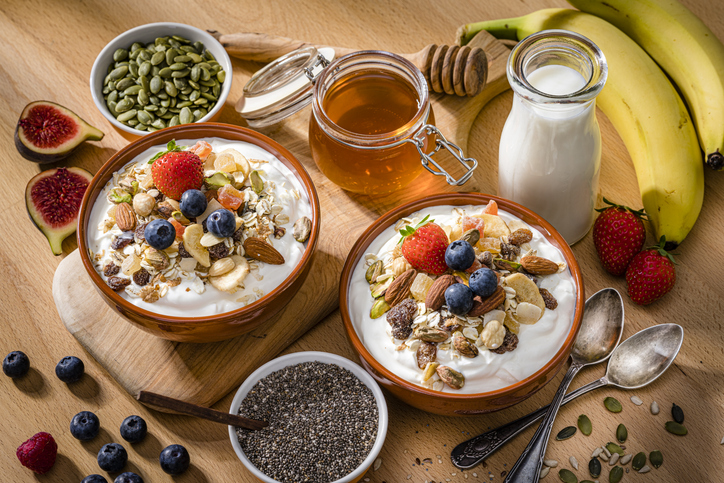
Derived from the chia plant, chia seeds may be tiny, but they boast an impressive profile of dietary fiber and essential minerals. The NIH notes that a 28 g serving of chia seeds (just over two tablespoons) contains 111 mg of magnesium. Because of their high fiber density, it is best to start small—soaking just one to two teaspoons initially—and adjust the portion size based on how your digestive system responds. Eating a large volume of dry chia seeds all at once should be strictly avoided.
When exposed to liquid, chia seeds absorb water and expand into a gel-like texture. This water-retaining property helps you feel full and satisfied on very few calories. The most effective way to enjoy chia seeds is by soaking them in yogurt, unsweetened soy milk, cow's milk, or overnight oats. Prepping a cup of yogurt mixed with chia seeds the night before provides a quick, nutrient-packed breakfast or a healthy meal replacement for busy days.
Almonds: The Ultimate Convenient, On-the-Go Snack
Widely accessible and highly portable, almonds are one of the most convenient options for boosting your daily magnesium intake. According to the Korea Food Research Institute’s National Standard Food Composition Table, roasted almonds contain 308 mg of magnesium per 100 g. A standard handful (about 25 g) supplies roughly 77 mg of the mineral.
In addition to magnesium, almonds offer a potent dose of vitamin E, plant protein, dietary fiber, and heart-healthy unsaturated fats. Vitamin E acts as a powerful antioxidant that protects cells from oxidative stress caused by harmful oxygen species, while unsaturated fats deliver the nut’s signature rich flavor. The combination of protein and fiber also works exceptionally well to curb appetite.
Because almonds require deliberate chewing, they act as an excellent mindful snack to stave off hunger between meals. However, despite their reputation as a health food, their calories can accumulate quickly if consumed mindlessly. To manage portions, measure out a single serving of 20 to 25 almonds onto a plate rather than snacking directly from the package. Furthermore, since many commercial options are heavily coated in honey, sugar, or salt, opting for plain roasted or unsalted varieties remains the healthiest choice.