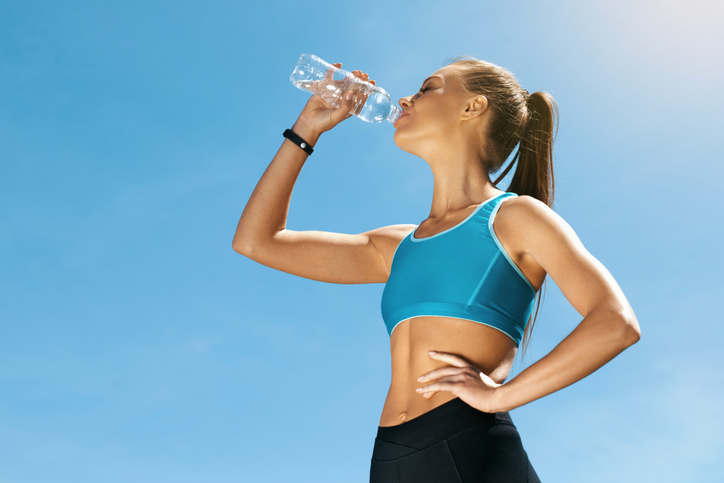
Regular exercise is vital for maintaining fitness and overall health. However, summer’s high temperatures and soaring humidity present unique challenges. Exercising in extreme heat causes the body to sweat more than usual, rapidly depleting essential fluids and electrolytes. To stay safe, adjusting your fitness routine is crucial.
By prioritizing proper hydration and following hot-weather exercise practices, you can workout effectively while minimizing the risk of dehydration and heat exhaustion. Here are five essential tips for navigating summer workouts.
Exercise during the cooler morning hours
While your workout schedule ultimately depends on your daily routine, exercising in the early morning offers distinct advantages for outdoor fitness enthusiasts. By training before the sun reaches its peak, you avoid intense UV rays and oppressive midday heat. This limits the spike in your core body temperature and reduces overall physical strain, allowing for better focus and longer, more productive sessions.
Hydrate well before you begin
While drinking water during a exercise is widely emphasized, building a habit of pre-workout hydration is equally vital. Adequate fluid intake before you start helps regulate your body temperature and reduces strain on the cardiovascular system. Conversely, starting a workout already dehydrated causes your body temperature to rise much faster, significantly increasing the risk of heat-related illness.
Choose moisture-wicking apparel
Your choice of workout attire makes a significant difference in hot weather. Opt for lightweight, breathable clothing designed to wick moisture and dry quickly. Traditional cotton fabrics tend to trap sweat, making clothes heavy, damp, and restrictive while hindering the body's natural heat-release mechanism. High-performance synthetic fabrics, by contrast, evaporate sweat rapidly to keep you cool and comfortable.
Replenish lost fluids and electrolytes afterward
Any weight loss noticed immediately after a grueling summer workout is almost entirely water weight rather than fat loss. For instance, if your weight drops by 500 grams after exercising, you should aim to replenish that exact amount in fluids. Drinking plain water is sufficient for standard routines, but if you have engaged in a prolonged or high-intensity workout with heavy sweating, incorporating electrolyte-rich beverages is recommended to restore balance.
Build up workout intensity gradually
Plunging into high-intensity outdoor workouts without preparation can overwhelm your body, as it has not yet adapted to the seasonal shift. When exercising outdoors in the summer, it is safest to start with light activity for 10 to 20 minutes, then gradually scale up the duration and intensity. Allowing your body to undergo an acclimatization process over roughly two weeks ensures you can maintain your summer fitness goals safely and sustainably.