Vitamin C is widely recognized as one of the safest and most efficient nutrients essential to human health. Playing a foundational role in numerous metabolic processes, it enables the body to synthesize collagen—the vital protein that forms skin, tendons, bones, and connective tissue—while actively supporting wound healing.
For decades, a wealth of clinical research has confirmed that vitamin C delivers a broad spectrum of health benefits, including robust immune support, the prevention of cardiovascular and ocular diseases, and skin protection. More recently, however, a growing body of scientific evidence suggests that this ubiquitous nutrient may also be a powerful defender of neurological health.
The Cognitive Connection: Guarding Gray Matter and Brain Networks
A recent study by researchers at Hirosaki University in Japan found that lower blood levels of vitamin C are significantly associated with reduced gray matter volume in older adults, as well as weakened connectivity within the default mode network (DMN).
The default mode network is a complex, interconnected web of brain regions that becomes highly active when a person is resting and not focused on the outside world. It governs essential internal mental activities such as self-reflection, autobiographical memory, future planning, empathy, creative free association, and the preservation of an individual's sense of identity.
The Hirosaki University researchers discovered that individuals with higher concentrations of vitamin C in their blood possessed a greater volume of gray matter—the tissue responsible for processing the vast majority of our computational thinking tasks. Gray matter contains the neuronal cell bodies and synapses that support memory, attention span, language comprehension, and executive decision-making. Neurologists note that maintaining a high volume of gray matter relative to overall head size is a primary indicator of a well-preserved, structurally resilient brain.
Because the progressive loss of gray matter is directly tied to natural aging, stroke risk factors, clinical depression, and neurodegenerative conditions like Alzheimer’s dementia, tracking its volume helps clinicians estimate long-term cognitive health. Crucially, the study also demonstrated that optimal vitamin C levels directly correlated with significantly stronger, more robust communication across the default mode network.
Medical experts describe vitamin C as a premier antioxidant within the central nervous system, serving as a front-line shield that protects vulnerable brain cells from daily oxidative wear and tear. Brain cells generate metabolic byproducts that can cause severe cellular damage if left to accumulate; vitamin C effectively neutralizes these harmful agents. Furthermore, the nutrient assists in the synthesis of critical neurotransmitters and maintains the integrity of cellular membranes. Because of this high demand, the human brain actively concentrates vitamin C, maintaining internal levels significantly higher than those found circulating in the bloodstream.
A Full-Body Shield: From Stroke Prevention to Cellular Defense
As a powerful antioxidant, vitamin C neutralizes free radicals—unstable oxygen molecules that damage DNA—alongside environmental toxins and pollutants like cigarette smoke. This comprehensive cellular defense translates into several distinct systemic health benefits:
Mitigating Stress-Related Decline: Vitamin C is highly sensitive to physiological stress and is one of the first nutrients to deplete rapidly in individuals who consume alcohol frequently, smoke, or deal with obesity. Monitoring its levels can serve as an excellent indicator of overall metabolic health.
Immune System Reinforcement: By eliminating excessive reactive oxygen species, vitamin C shields immune cells from oxidative stress and lowers the risk of localized tissue damage. A deficiency quickly compromises baseline immunity, leaving the body vulnerable to infections.
Slashing Stroke Risk: Clinical studies have found that individuals with the highest circulating levels of blood vitamin C experience a 42% lower risk of stroke compared to those with the lowest levels. This correlation is particularly strong among individuals who maintain diets rich in fruits and vegetables, which simultaneously supply the body with dietary fiber, essential minerals, and complementary vitamins.
Preserving Youthful Skin: Because vitamin C is a mandatory cofactor for collagen synthesis, it directly influences skin elasticity. As the body ages, natural collagen production slows and existing fibers break down, leading to wrinkles and delayed wound healing. Maintaining adequate vitamin C intake—or applying it topically—has been clinically shown to stimulate collagen production and preserve a youthful skin structure.
Supporting Cancer Care: Data from institutions like the Mayo Clinic indicate that a diet rich in vitamin C-dense fruits and vegetables correlates with a lower incidence of specific malignancies. Additionally, emerging research suggests that administering high-dose vitamin C alongside traditional chemotherapy can help selectively target and combat breast cancer cells.
Ocular and Respiratory Protection: Vitamin C enhances dietary iron absorption, which supports systemic oxygen transport and hormone production. It also lowers the risk of cataract formation and slows the progression of age-related macular degeneration. While it does not cure the common cold, studies show that maintaining optimal levels can significantly reduce the risk of secondary respiratory complications, such as pneumonia.
Optimal Intake and Dietary Sources
To reap these neurological and systemic benefits, medical experts recommend obtaining vitamin C primarily through a diverse, plant-forward diet. While the absolute upper tolerable intake limit is set at 2,000 mg per day, there is strong clinical consensus that a daily intake of up to 500 mg is highly effective and completely safe.
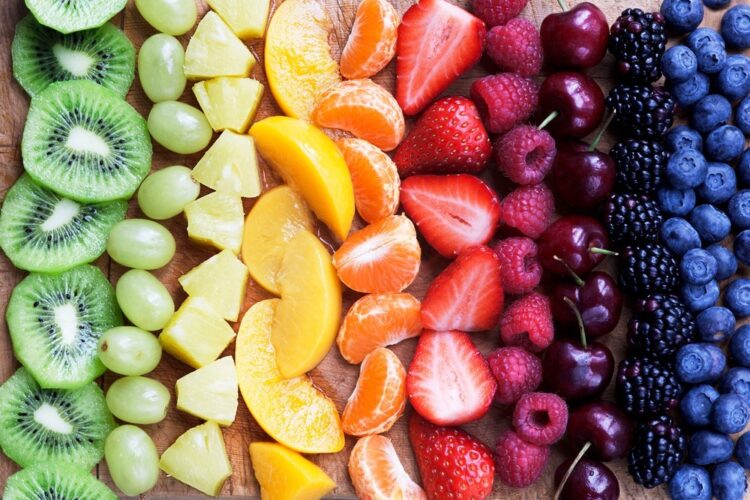
Because vitamin C is abundant in fresh produce, individuals can easily hit these targets by incorporating the following whole foods (measured per 100-gram serving): bell peppers (128–180 mg), hot peppers (120–180 mg), kale (93–120 mg), kiwifruit (93 mg), broccoli (89 mg), Brussels sprouts (85 mg), strawberries (59 mg), oranges (53 mg), lemons (53 mg), cauliflower (48 mg), pineapple (48 mg), cabbage (36 mg), grapefruit (31 mg), and spinach (28 mg).