As the 'chamoe' captures the tastes of Japanese consumers, health authorities clarify common misconceptions regarding its nutritional value and digestion.
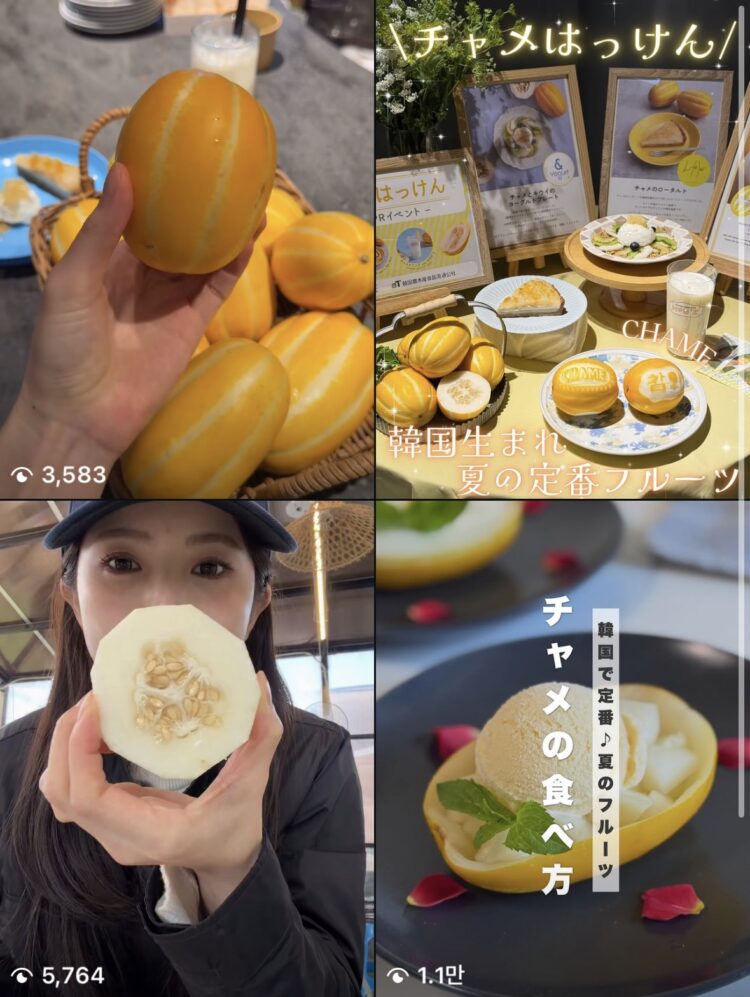
The overseas popularity of the Korean melon is proving to be anything but ordinary. Known domestically as chamoe and marketed internationally as the "Korean melon," this crisp, sweet fruit has been drawing intense consumer interest in Japan under the local name "chame (チャメ)."
According to data from the Ministry of Agriculture, Food and Rural Affairs alongside the Korea Agro-Fisheries & Food Trade Corporation (aT), the Korean melon was selected as a strategic export fruit for the Japanese market this year. Japan stands as the largest export destination for the fruit, with both export revenue and volume experiencing sharp year-over-year growth. Last year, export revenue to Japan reached approximately $1,055,000 (about 1.6 billion won) on an export volume of 271 tons—marking an increase of 31.4% in revenue and 39% in volume compared to the previous year.
The fruit's popularity in Japan is largely driven by demographic and cultural shifts. The Korean melon is generally more affordable and significantly smaller than the traditional melons native to the Japanese market, making it an ideal option for single-person households. The ongoing wave of K-content has further fueled this trend, with lifestyle influencers on platforms like YouTube and Instagram frequently highlighting the melon as a must-try culinary experience when visiting South Korea. Driven by this global momentum, domestic consumption within South Korea has also seen a steady rise during the summer months.
Despite its popularity, a persistent question continues to circulate among consumers online: Does eating Korean melon seeds cause diarrhea or an abdominal upset?
Smart Consumption: When to Eat and When to Discard the Seeds
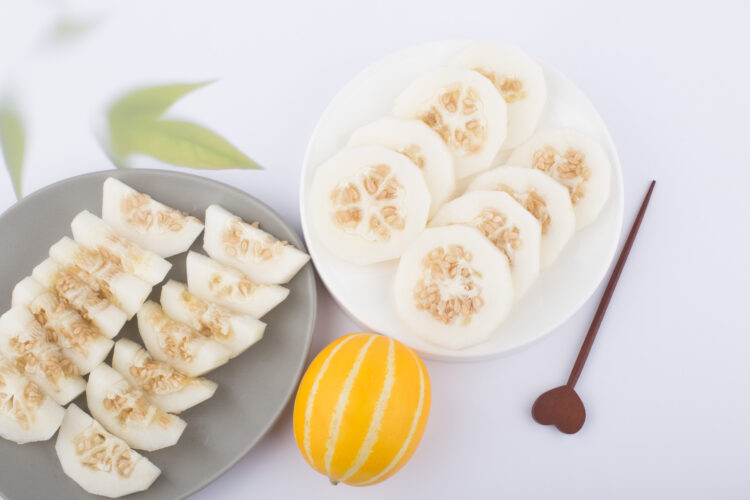
According to official guidance from the Ministry of Food and Drug Safety, the widespread belief that the seeds cause stomach trouble is entirely false. Korean melon seeds are highly nutritious, packed with folate and vitamin C, and contain a wealth of dietary fiber. Health authorities recommend consuming the fruit whole, including the core and seeds, to maximize these nutritional benefits.
However, because the melon has an exceptionally high water content and is classified as a "cooling food" in traditional Korean medicine to lower body heat and relieve thirst, individuals with high gastrointestinal sensitivity or those prone to cold sensitivity may experience temporary discomfort. In short, the seeds themselves are not the direct cause of digestive issues.
Caution is warranted, however, if the fruit is overripe or beginning to decay. In such cases, removing the seed cavity before eating is highly recommended. The soft, white inner tissue where the seeds attach—known as the placenta—retains the highest concentration of moisture, meaning it is prone to spoiling much faster than the surrounding firm flesh. If the core gives off a sour odor or an unusual taste, consumers should thoroughly scrape that section away or discard the fruit entirely.
When purchasing Korean melons, buyers should look for a vibrant, clear yellow skin with distinct white lines and a fresh, green stem. Once home, the melons are best stored in the refrigerator at a temperature between 5°C and 7°C. Whole, firm melons can remain fresh in cold storage for 5 to 7 days. Once sliced, however, the fruit should be sealed tightly and consumed within 2 to 3 days to maintain optimal freshness and safety.