For many, a morning cup of coffee is a non-negotiable ritual, even as their cholesterol numbers begin to creep upward. While it is well-established that coffee can influence lipid profiles, facing a high reading does not necessarily mean giving up the beloved beverage entirely. Instead, simply altering how the coffee is brewed can alleviate much of the concern.
Data from the Korean Society of Lipid and Atherosclerosis reveals that, as of 2022, more than 1 in 4 adults in South Korea had high cholesterol levels. Given how habitually people consume coffee every day, even a minor effect from a single cup can accumulate into a significant health factor over time.
The link between coffee and cholesterol lies in an oily chemical compound called cafestol. While cafestol contributes to coffee’s distinctive rich, nutty flavor and heavy mouthfeel, it also disrupts cholesterol metabolism in the liver, ultimately driving up blood cholesterol levels.
This correlation was highlighted in a large-scale observational study conducted by a research team in Tromsø, Norway. Analyzing 21,083 adults aged 40 and older, researchers found that individuals who drank three to five or more cups of espresso daily had noticeably higher total cholesterol levels compared to non-coffee drinkers. On average, men who drank espresso saw an increase of 6.2 mg/dL, while women experienced a 3.5 mg/dL rise.
How the Right Filter Lowers Your Health Risk

When managing high cholesterol, the type of coffee bean matters far less than the brewing method itself. The critical factor is how effectively the chosen process filters out the cafestol-laden coffee oils.
The most reliable options are hand-drip coffee made with a paper filter and Dutch coffee (cold brew) passed through a ceramic filter. These filtration systems trap the vast majority of coffee oils, effectively removing the cafestol before it reaches the cup. On the medical YouTube channel "Doctor Dingyo," internal medicine specialist Kim Tae-kyun noted, "The safest option in terms of cholesterol is drip coffee brewed with a paper filter, followed closely by instant black coffee."

Instant black coffee is relatively safe because it is produced by freeze-drying brewed coffee extract, a manufacturing process that eliminates most of the cafestol. Kim highlighted that some studies even show drinking up to five cups of instant black coffee a day yields no measurable impact on cholesterol levels.
In contrast, espresso and capsule coffee require caution. Because they are extracted under high pressure, the coffee oils blend directly into the water, leaving about 1 to 2 mg of cafestol per cup.
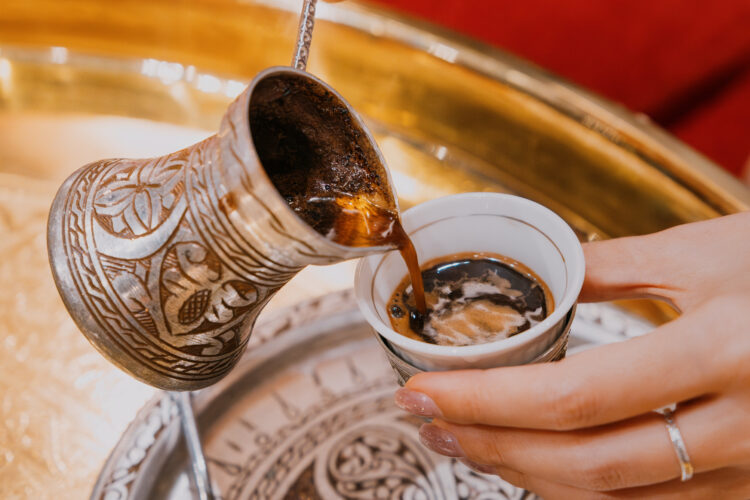
The highest risk comes from Turkish- or Scandinavian-style coffee, which is boiled directly with water and consumed without any filtration. Kim warned that this method can deliver up to 7 mg of cafestol in a single cup, and two cups can reach 15 mg. Consuming just 10 mg of cafestol is enough to raise low-density lipoprotein (LDL), or "bad" cholesterol, by approximately 5%, accelerating the buildup of plaque in the blood vessels.