
Diet heavily shapes long-term health, and the foods we regularly reach for can directly influence our risk of chronic disease. Gastroenterologists, who specialize in treating conditions of the stomach, intestines, and liver, witness these biological effects firsthand. Cha Jae-myung, a professor of gastroenterology at Kyung Hee University Hospital at Gangdong, shares the specific foods that front-line physicians consciously avoid to protect their gastrointestinal health.
Charred and Burnt Foods
"It is best to remove any parts of food that are charred black," Professor Cha advises. "This applies not only to meat grilled over charcoal, but even to the burnt edges of morning toast."
When certain foods are heated at high temperatures, chemical reactions can produce acrylamide, a substance linked to increased health risks. Studies suggest that acrylamide, classified as a probable carcinogen, can cause neurotoxicity and potentially increase the risk of neurodegenerative conditions like Alzheimer's disease with long-term exposure. While occasional consumption is unlikely to cause severe illness, minimizing exposure by scraping away burnt portions is a prudent preventive measure.
Highly Spicy and Irritating Foods
"Spicy, irritating foods stimulate the stomach lining, worsening heartburn and accelerating gastric acid secretion," Cha notes. "In some cases, chronic irritation from these items is also cited as a contributing factor to stomach cancer."
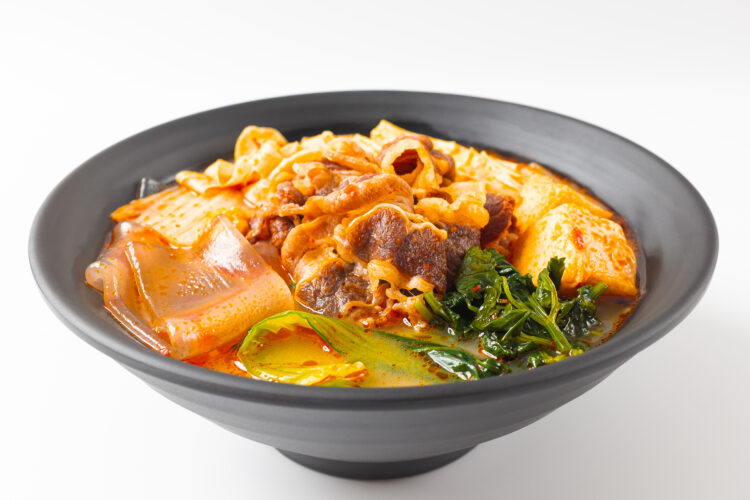
He expresses concern over the rising popularity of hyper-spicy dishes loaded with capsaicin, such as mala tang and buldak. These highly stimulating foods can easily disrupt the fragile intestinal microbiome. When gut health breaks down, beneficial bacteria decrease, localized immunity weakens, and inflammation-causing bacteria thrive. This disruption frequently triggers acute symptoms, such as diarrhea, particularly in individuals with sensitive digestive systems.
Carbonated and High-Sugar Beverages
Carbonated and high-sugar drinks present another distinct hazard to the digestive tract. "Carbonation can induce belching and acid reflux, while high sugar content elevates the risk of developing fatty liver disease," Cha explains, adding that fructose can also increase intestinal gas. Individuals suffering from gastroesophageal reflux disease (GERD), functional dyspepsia, abdominal bloating, or irritable bowel syndrome (IBS) are strongly advised to steer clear of these beverages.
Ultra-Processed Foods
Ultra-processed foods—including ham, sausages, convenience meals, and packaged snacks—frequently lack the dietary fiber necessary to maintain a diverse gut microbiome. A decline in microbial diversity is closely linked to obesity, colon cancer, inflammatory bowel disease (IBD), and fatty liver.
In particular, processed meats like sausages and ham are designated as Group 1 carcinogens by the International Agency for Research on Cancer (IARC). These products typically contain nitrites and other preservatives that convert into N-nitroso compounds (NOCs) within the body, which can damage DNA. Prioritizing fresh, seasonal ingredients over convenient, highly processed alternatives remains one of the most effective ways to safeguard long-term colorectal and gastric health.