You step out of the shower, apply deodorant, and put on a fresh shirt. Yet, by lunchtime, a familiar, unwelcome odor begins to drift back. It is a frustrating experience that often leads to the self-conscious assumption that you simply sweat too much. However, the true source of the smell has very little to do with the volume of sweat you produce.
To understand why odor lingers, it helps to look at the biology of how we perspire. The human body houses two distinct types of sweat glands. Eccrine glands are distributed across the entire body and secrete the watery, salty fluid triggered by heat or heavy exercise. This sweat is virtually odorless.
In contrast, apocrine glands are concentrated in hair-bearing areas such as the underarms and groin. They release a thicker, milky fluid rich in proteins and lipids. Crucially, even this secretion does not smell initially. Body odor only develops over time as resident skin bacteria, most notably Corynebacterium and Staphylococcus, begin to feed on and break down these apocrine secretions into pungent chemical compounds.
The Role of Bacteria and Fabric in Post-Shower Odor
Because bacteria drive the process, the intensity of body odor is determined by your skin's microscopic environment rather than how much you sweat. An individual might drench their clothes during an intense workout without noticing a strong smell, while someone else who sweats minimally might struggle with a potent scent. Biological men typically possess larger, more active apocrine glands and a higher prevalence of Corynebacterium, which explains why their body odor can be more pronounced even with identical hygiene habits.
This bacterial reality is the primary reason odor can return so quickly after washing. A standard shower does not completely eradicate skin bacteria; even with thorough soaping, microbes persist deep within pores and around hair follicles. These surviving bacteria quickly repopulate, returning to their baseline levels within just a few hours and resuming the breakdown of new secretions. A shower essentially hits a temporary pause button rather than resetting the clock entirely.
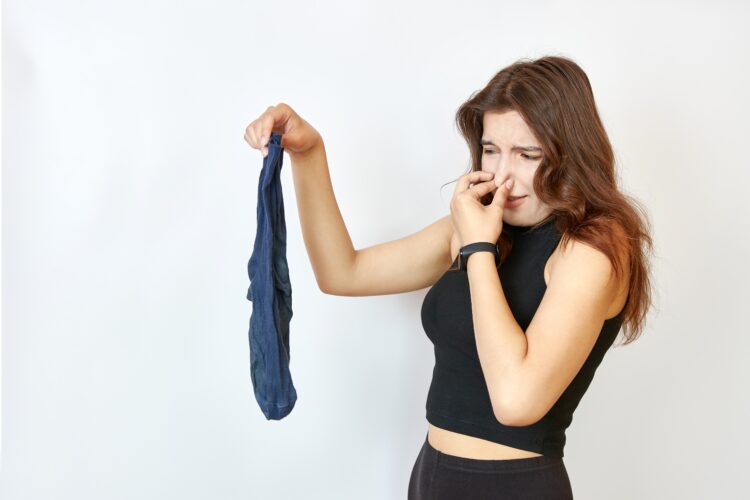
The second culprit is often hiding in your wardrobe. You may have noticed an odor rising from a workout shirt that was washed just the day before. Synthetic performance fabrics, particularly polyester, are highly lipophilic—meaning they naturally cling to fatty lipids and odor compounds. These trapped molecules frequently survive standard laundry cycles. To combat this, textile experts recommend washing synthetic activewear in hot water or incorporating a white vinegar rinse to break down the resilient, oil-based residues.
To effectively manage persistent body odor, the focus should shift from reducing sweat to managing the bacterial and textile environment. Ensuring the underarms are thoroughly cleansed and completely dried can significantly hinder bacterial growth, while reevaluating your clothing choices can eliminate hidden reservoirs of trapped scent. Ultimately, sweat is just a sign that your body is working properly; the resulting odor is simply the chemical aftermath left behind.