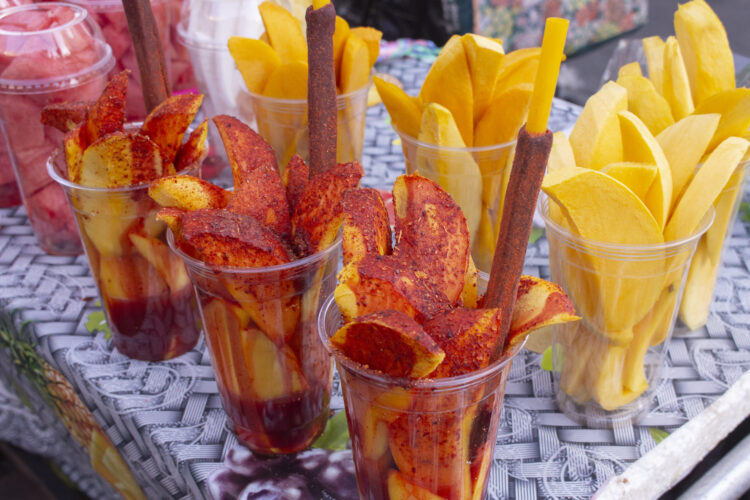
Travelers returning from Vietnam are increasingly bringing home one must-have culinary souvenir: "shrimp salt." A savory, fiery condiment made by stir-frying chili peppers, salt, and shrimp together, the powder delivers an addictive umami kick when paired with sweet fruits like mangoes and apples. This compelling combination—sweet fruit enhanced by a spicy accent—is rapidly trending across the globe.
Major international media outlets, including the BBC, alongside global food-trend reports, have highlighted "Fricy" as a defining keyword shaping culinary culture in 2026. A blend of the words "fruity" and "spicy," the term refers to the practice of pairing sweet-and-tart fruits with a spicy side sauce or seasoning.
While the combination of fruit and heat is a long-standing tradition in hot climates like Vietnam, Mexico, Thailand, and India, social media has propelled the pairing into a mainstream global phenomenon. This surge is further fueled by the modern focus on dietary fiber and whole foods. As consumers look to integrate more fiber-rich fruits into their diets, they are seeking novel, stimulating ways to enjoy them.
Expanding into Beverages, Desserts, and Retail Markets
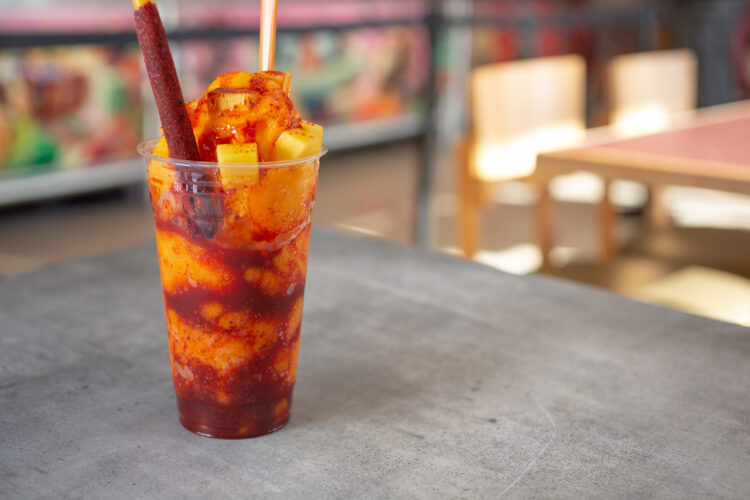
The Fricy craze is expanding beyond fresh fruit into beverages and desserts. The Guardian recently highlighted the "Volcano" slushie, a signature item at the London-based franchise Mango Twist. Reinterpreting the traditional Mexican chamoyada, the drink layers vibrant yellow mango juice with red chamoy—a savory, spicy sauce made from fruit pulp, lime, and chilies—to create a striking visual and flavor contrast.
This cultural shift is translating into robust retail sales. Holly Thompson, food editor at online retailer Sous Chef, reported that sales of Tajín seasoning—a flagship product of the Fricy movement—rose 19% in 2026 compared to the previous year. Similarly, the British upscale supermarket chain Waitrose saw a 30% surge in sales of amba, a spicy pickled mango sauce originating in Iraqi Jewish cuisine. Stuart McAllister, CEO of hot-sauce distributor Hot-Headz!, also noted that demand for Fricy sauces has jumped over the past six to 12 months, with pineapple and mango chili sauces proving particularly popular.
A Familiar Flavor Profile in Korean Cuisine

In South Korea, the Fricy trend is quietly gaining ground under various names. Southeast Asian staples like Thai papaya and mango salads are growing in popularity, while yuzu kosho—a Japanese condiment blending chili peppers, salt, and yuzu citrus—has become a staple on big-box supermarket shelves. Mexican chamoy is also making occasional appearances.
For local consumers, however, the underlying flavor profile is deeply familiar, as Korean cuisine has long paired fruit with heat. Traditional recipes frequently incorporate fresh apples, Asian pears, or maesil (green plum) syrup into chili flakes or sweet-and-spicy gochujang vinegar glazes.
A prime example is golbaengi-muchim (spicy sea snail salad), where tart apples balance the spicy dressing. Seasonal delicacies like bae-kkakdugi (pear radish kimchi cubes) and gam-kkakdugi (persimmon radish kimchi cubes) also showcase sweet, crisp fruit tossed in fiery seasonings. Additionally, Korean home cooks routinely blend pineapple or kiwi into meat marinades, utilizing the fruit to tenderize the proteins while adding a bright, refreshing finish.