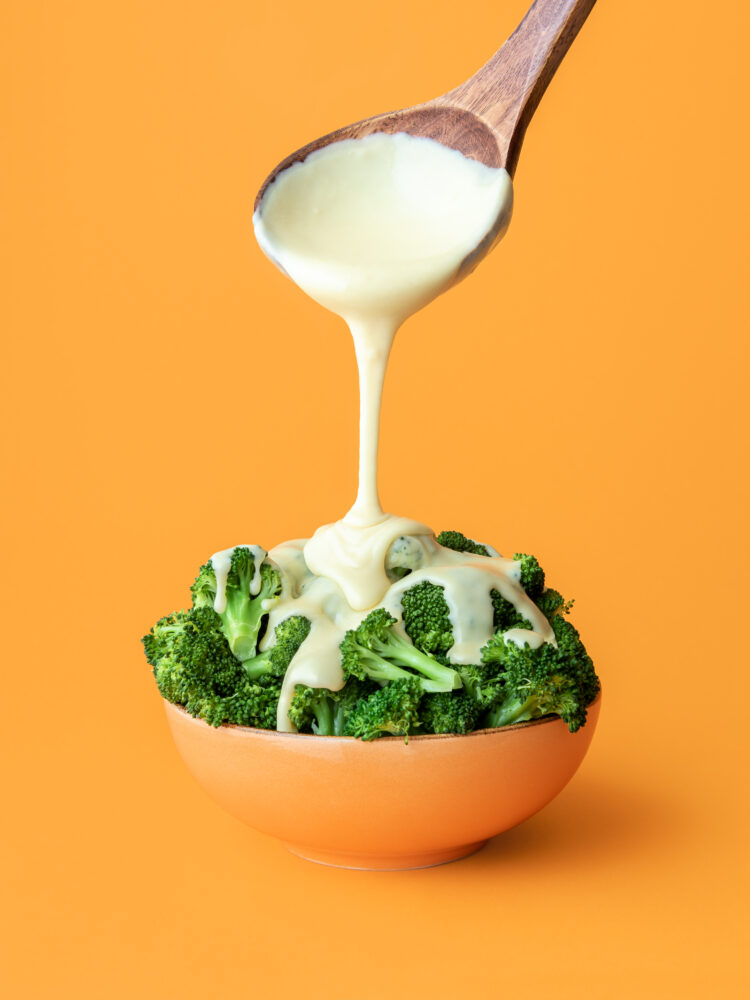
When embarking on a weight-loss regimen, most people immediately scale back on staples like rice, bread, and processed snacks while treating condiments as an afterthought. Condiments labeled "low sugar" or "zero sugar"—such as light ketchups, sugar-free barbecue sauces, and low-sugar dressings—frequently feel like a free pass. However, a reduction in sugar does not automatically translate to a calorie-free food. Depending on the formulation, these products can remain densely packed with sodium or fats. Pouring low-sugar varieties without strict mindfulness can easily transform a seemingly healthy, light meal into a heavy caloric burden.
Sticking to entirely bland meals is notoriously unsustainable, and weight management does not require abandoning flavor altogether. The solution lies in looking past the front-facing "low sugar" marketing, rigorously checking the nutrition facts panel on the back, and controlling physical portion sizes. By leaning on acidity, fresh aromatics, and diverse textures instead of excessive condiment use, you can successfully maintain a highly flavorful diet without undermining your fitness goals.
The Optical Illusion of "Just a Dip"
Diet-friendly proteins and vegetables—like plain chicken breast, boiled eggs, tofu, and raw greens—can quickly induce palate fatigue, which naturally drives people to overcompensate with sauces. While low-sugar sauces are excellent tools for managing insulin spikes, they are not intended for unrestricted consumption.
Unlike a slice of bread or a bowl of rice, where portion sizes are visually obvious, sauces lend themselves to an optical illusion. It is easy to assume you are consuming very little with a casual dip here or a quick drizzle there. However, repeating these mindless actions throughout a single meal accumulates far more calories than realized.
Whether it is repeatedly dipping Vietnamese spring rolls into peanut or sweet chili sauce, or anchoring vegetable sticks with heavy dollops of dip, the volume adds up. Furthermore, the metrics listed on a nutrition facts label generally reflect a small, single serving. If you unconsciously consume two or three times that baseline, your real intake skyrockets. To combat this, portion your sauce into a small, separate dish before you begin eating rather than pouring directly from the bottle. This simple boundary provides visual accountability and naturally curtails mindless overeating.
Unmasking the Nutrition Facts Label
A "low sugar" claim on packaging should never be conflated with a food being low-calorie or low-sodium. Consumers must evaluate the entire nutritional profile, paying special attention to overall calories, total fats, and sodium levels.
Nutty or creamy condiments—such as sesame dressings, peanut dipping sauces, and mayonnaise-based spreads—are inherently calorie-dense due to their fat content, regardless of how little sugar they contain. Even lighter-looking choices, like balsamic glazes, vary wildly by brand in terms of thickness and residual sweetness. Drown a salad or a chicken breast in these options, and the meal's total caloric load can quickly rival standard fast food.
Sodium is another easily overlooked pitfall. Barbecue, chili, soy, and traditional Korean sauces like gochujang (chili paste) and ssamjang (wrap sauce) frequently maintain a highly savory, salty profile even when their sugar content is slashed. While sodium intake does not directly convert into adipose tissue, heavily salted foods fiercely stimulate the palate. This intense flavor profile routinely triggers increased appetite, prompting individuals to pour more sauce and overeat the very foods they are trying to moderate..
Culinary Strategies: Building Flavor Without Condiment Dependency
Eliminating sauces entirely is an impractical approach that often leads to diet abandonment. However, relying solely on bottled condiments to make food palatable creates a counterproductive loop. To lose weight sustainably while enjoying your meals, you should build a foundation of flavor using ingredients that offer natural acidity, distinct aromatics, and crisp textures.
Introduce Bright Acidity: If a dish tastes flat after cutting back on sauce, turn to fresh lemon juice, lime juice, red wine vinegar, or high-quality balsamic vinegar. Tartness sharply defines a dish's flavor profile, successfully satisfying the palate even when sweetness and salt levels are drastically reduced.
Layer Fresh Aromatics and Textures: Incorporating aromatic ingredients like perilla leaves, scallions, onions, cucumbers, and arugula prevents a clean meal from feeling monotonous. These additions provide a complex sensory experience that reduces the biological craving for heavy, sweet-and-salty seasonings.
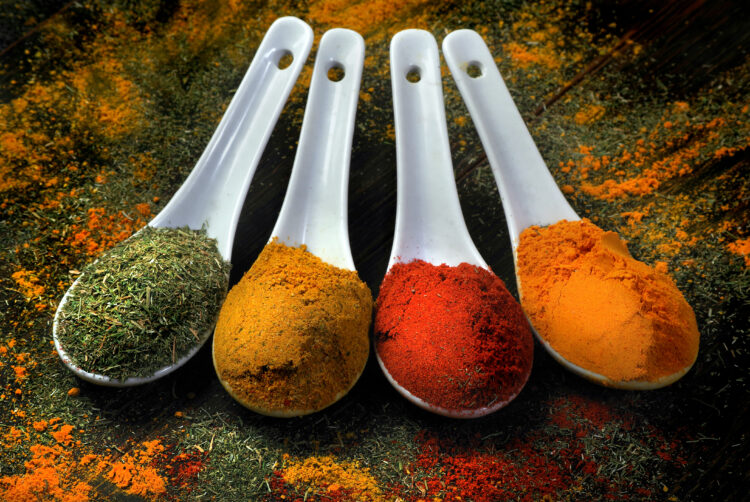
Utilize Pure Spice Powders: Dusting plain proteins or roasted vegetables with black pepper, smoked paprika, curry powder, or dried herb blends adds deep complexity without extra calories. Always check store-bought seasoning blends carefully, as some commercial mixes are secretly loaded with unnecessary sodium.
Adjusting how you apply condiments can also yield major results. Instead of tossing an entire salad in a heavy coat of dressing, mix your vegetables and proteins dry first, then lightly drizzle a minimal amount of sauce over the top at the very end. For neutral bases like tofu or konjac noodles, toss them with crunchy, aromatic vegetables before adding your condiments. This structural shift ensures that every bite delivers an immediate punch of flavor to your taste buds while keeping your total sauce consumption remarkably low.