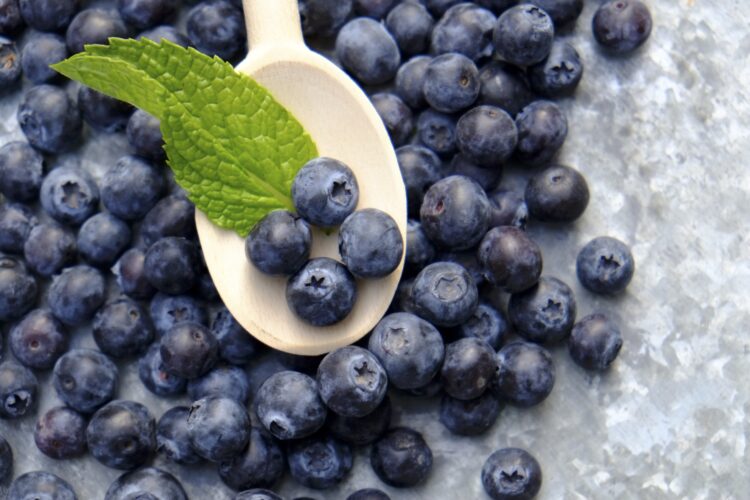
Blueberries are a dietary staple for millions of health-conscious consumers looking to boost their daily antioxidant intake. Yet, standing in the grocery store aisle, many shoppers face the exact same dilemma: "Should I buy fresh blueberries or frozen?" Recently, a growing body of food science has prompted consumers to look closer at the freezer aisle, questioning whether frozen berries might actually hold a nutritional edge.
According to nutritional experts, you cannot flatly declare frozen blueberries superior in every single scenario. However, depending on how the fruit is harvested, transported, and stored, the freezing process can preserve certain critical nutrients far more consistently than standard refrigeration.
Flash-Freezing Locks in Peak Antioxidants
Blueberries owe their superfood status to high concentrations of antioxidant compounds, specifically anthocyanins. The primary vulnerability of fresh produce is that delicate vitamins and antioxidants begin to degrade the moment the fruit is picked, declining continuously during transit and shelf storage. In contrast, commercially frozen blueberries are typically flash-frozen immediately after harvest, a process that effectively halts molecular degradation and locks in nutrient levels at their absolute peak.
Several comparative studies have shown that frozen fruits and vegetables can retain vitamin C and antioxidant compounds significantly better than fresh alternatives that have been shipped over long distances. Blueberries are particularly fragile, possessing thin skins that bruise easily, meaning their real-world freshness can vary wildly by the time they reach kitchen tables. While locally grown blueberries eaten immediately after harvest remain highly nutritious, the average supermarket berry has often lost a portion of its nutritional payload during shipping.
Structural Breakdown May Enhance Bioavailability
Another compelling aspect of frozen fruit is nutrient bioavailability. As blueberries undergo the freezing and subsequent thawing process, the water inside them expands, gently breaking down the fruit's microscopic cell walls. This structural disruption can actually make valuable phytochemicals like anthocyanins more accessible, allowing the human body to absorb them more easily. This enhanced solubility is one reason why frozen berries are an ideal choice for blending into smoothies or stirring into Greek yogurt.
Beyond absorption, frozen blueberries offer the undeniable practical advantage of an extended shelf life and consistent seasonal quality. They provide an effortless way to maintain a healthy dietary habit year-round. However, experts warn that not every package in the freezer section is an automatic health food; some frozen products are packaged with added syrups or sugars. Consumers should carefully check nutrition labels to ensure they are purchasing "unsweetened" varieties with no added ingredients.
The Flavor Factor: When Fresh Still Wins
Despite the nutritional perks of freezing, fresh blueberries retain a clear superiority when it comes to texture and culinary enjoyment. When harvested in season and sold quickly, fresh berries deliver a crisp bite and juicy burst of flavor that frozen alternatives simply cannot replicate. From a gastronomic standpoint, the ideal scenario remains enjoying fresh, locally harvested blueberries at peak maturity.
However, because blueberries bruise easily, their quality drops sharply if they are left at room temperature for too long or forgotten in the back of a refrigerator. Ultimately, the choice between fresh and frozen does not come down to a simple right or wrong answer, but rather when the fruit was harvested and how it was preserved. The most beneficial habit, health experts agree, is simply consuming them consistently and ensuring they are free from added sugars.