
For avid bread lovers, the common advice to "cut out carbs completely" is rarely realistic. Whether it is morning toast or an afternoon pastry with coffee, bread is deeply woven into many daily routines. Fortunately, managing weight does not require strict abstinence. By gradually adjusting the types of bread you choose, your portion sizes, and what you pair them with, you can maintain your health goals with far less stress and better long-term success.
Decode Labels at the Store and Shapes at the Bakery
When purchasing packaged bread, look past the marketing imagery and check the nutrition facts label first. The Korea Disease Control and Prevention Agency’s National Health Information Portal recommends reviewing total calories, sugars, fat, and sodium to make informed choices. For those managing diabetes or blood sugar, calories and carbohydrates are paramount. If cardiovascular health or high blood pressure is a concern, closely scrutinize sodium and saturated fats.
In neighborhood bakeries or dessert cafes where nutrition labels are unavailable, use the bread's shape and texture as a guide. Gradually reduce your intake of items layered with butter, filled with heavy cream, or glazed with syrups and sugar coatings. Instead, opt for simpler options like whole-wheat or rye bread, which generally contain less added sugar and fat. The higher dietary fiber in whole grains also promotes satiety and helps regulate post-meal blood sugar levels.
Look Beyond the "Whole-Wheat" Label
However, whole-grain options are not an invitation for unlimited consumption. Even products marketed as "whole wheat," "multi-grain," or "low sugar" vary significantly in their actual nutritional profiles. Furthermore, heavily spreading jam, butter, or cream cheese can quickly negate the benefits of a healthier loaf.
Before purchasing, inspect the ingredient list, where components are listed in descending order by volume. Ensure that whole-wheat or rye flour appears near the very beginning of the list. If ingredients like sugar, shortening, or butter dominate the front, the product may be far higher in empty calories than its packaging suggests.
Optimize Your Pairings and Eating Order
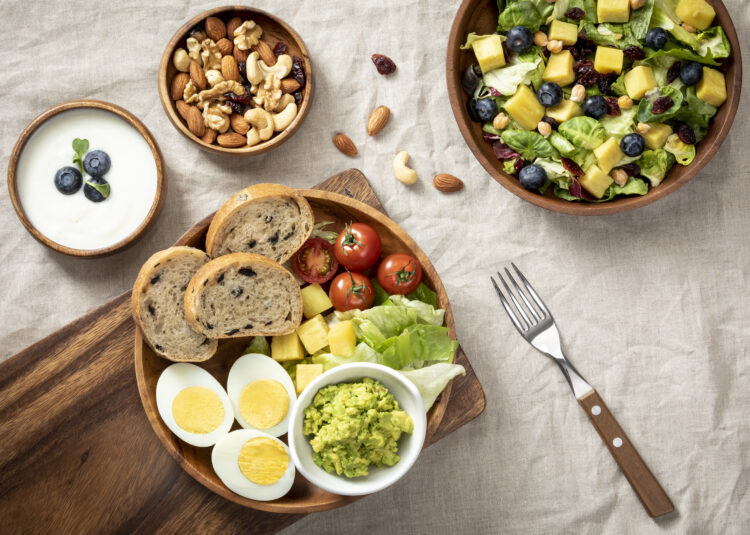
Eating bread in isolation rarely provides long-lasting fullness, often leading to quick energy crashes and subsequent snacking. To balance your meal, pair bread with high-protein foods such as eggs, chicken breast, tofu, Greek yogurt, or cheese. Adding fiber-rich vegetables like tomatoes, lettuce, cucumbers, and bell peppers increases chewing time and slows digestion.
The order in which you eat also impacts your metabolism. Consuming vegetables and proteins before reaching for the bread can significantly stabilize post-meal blood sugar spikes. Similarly, swapping sweet lattes, juices, or sodas for water, unsweetened tea, or an Americano prevents a simultaneous spike in both calories and sugar.
Practice Pre-Portioning and Daily Balance
Because bread is a convenient finger food, it is exceptionally easy to overeat when consuming it straight from the bakery bag. If bread serves as your primary meal, decide on a set portion in advance, place it on a plate, and put the rest away.
When indulging in bread as a snack or dessert, practice moderation by sharing it or cutting the portion in half rather than finishing a large pastry immediately after a meal. On days you treat yourself to options with a high butter content—such as salt bread or croissants—balance your overall daily intake by cutting back on fried foods or heavy, cream-based dishes during your other meals.