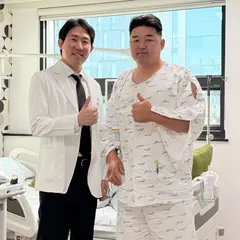
Super Junior member Shindong, 40, has sparked widespread buzz online with a dramatically slimmer physique that some fans say makes him nearly unrecognizable.
Shindong recently shared photos on social media, writing, “I said I’d just try it, but before I knew it, I was fully fitted with a whole set of gear.” He added, “But honestly, it’s so much fun. Sports really are all about the gear.”
In the photos, Shindong poses confidently in full ice hockey equipment. His noticeably leaner frame stands out, highlighting a sharp jawline and a more defined profile.
Broadcaster Jang Sung-kyu reacted to the photos, commenting, “How on earth are you losing all this weight?” Netizens flooded the post with praise, calling him the “ultimate heartthrob” and begging him to share his secrets.
Since his debut, Shindong has publicly cycled through periods of dieting and weight rebound. On a variety show last summer, he opened up about his struggles: “I managed to drop from 116 kg to 79 kg, but the rebound hit within just three months. I even tried Wegovy, the weight-loss injection. But even after increasing the dosage to 1.7 mg, my appetite didn't decrease, and I saw no effect. My doctor actually told me, ‘You beat Wegovy.’”
Ultimately, Shindong found success by returning to the fundamentals of weight loss: strict portion control, fasting after 10 p.m., cutting out late-night snacks, and incorporating consistent exercise, including walking at least 10,000 steps a day. This balanced approach helped him shed the weight once more, earning the admiration of fans. Here is a closer look at the science behind what worked for him.

Ice Hockey: High-Intensity Calorie Burning
Ice hockey is a premier high-intensity cardiovascular workout. During a game, players engage in interval-style bursts of rapid sprinting and brief recovery, heavily recruiting the core and lower body muscles. Consequently, the calorie burn is substantial; a 70 kg adult can burn approximately 500 to 600 kcal in just one hour. Beyond building lower-body muscle mass and improving cardiovascular endurance, the sport allows individuals to target fat loss and fitness simultaneously. Crucially, its engaging nature makes it easier to maintain over the long term—a vital factor, as sustainable habits are far more effective for permanent weight loss than sporadic bursts of extreme exercise.
Walking 10,000 Steps: A Sustainable Weight-Loss Staple
The daily 10,000-step goal Shindong adopted is widely recognized as an effective weight-management habit. While running is a popular go-to workout, it can place excessive stress on the knee joints of individuals carrying significant extra weight. Walking serves as an excellent low-impact aerobic alternative that is easier on the joints and highly sustainable. Depending on body weight and pace, walking 10,000 steps can burn an additional 300 to 500 kcal per day. Additionally, consistent walking aids in blood sugar regulation, boosts cardiovascular health, and helps prevent weight rebound—a trait frequently shared by those who successfully maintain long-term weight loss.
Portion Control: The Core Strategy
At its core, weight loss requires creating a calorie deficit—burning more calories than one consumes. Shindong’s strategy of strict portion control is the fundamental method for preventing overeating and managing daily caloric intake. Keeping portions consistent eliminates mindless snacking and naturally limits calories. Experts emphasize that regardless of the specific diet plan, achieving lasting weight-loss results is nearly impossible without controlling total food intake.
Eliminating Late-Night Meals to Curb Excess Calories
Imposing a hard stop on eating after 10 p.m. was another critical factor in Shindong's success. While nighttime calories do not inherently convert to fat faster, late-night eating often involves high-calorie convenience foods like fried chicken or instant noodles. These meals add unnecessary calories at the end of the day, quickly leading to a surplus. Furthermore, eating late can disrupt sleep quality. Sleep deprivation triggers hormonal changes that stimulate appetite, actively undermining weight management efforts.
Sustainable Lifestyle Habits Form the Foundation
Ultimately, health experts note that Shindong's transformation illustrates the timeless principles of weight management. By boosting physical activity through ice hockey and walking, practicing portion control, and avoiding late-night eating, he successfully jumpstarted his weight loss. While weight-loss medications like Wegovy can serve as helpful medical interventions, establishing healthy eating and exercise habits remains essential for long-term maintenance. Shindong's successful second round of weight loss highlights that lasting results depend on consistent lifestyle choices.