For many, the lingering smell of seafood or grilled meat is a significant deterrent to cooking at home. Odors can quickly seep into ceilings and curtains, becoming nearly impossible to remove over time. However, scientific evidence suggests that the timing of ventilation is more critical than the act itself for clearing indoor air and protecting respiratory health.
Open Windows as Soon as You Start
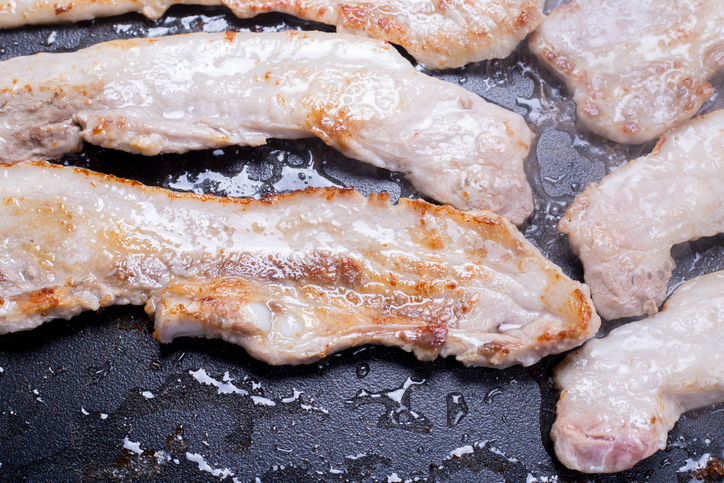
The most effective strategy is to open windows the moment you begin cooking. When meat is grilled at high temperatures, proteins and fats undergo denaturation, releasing smoke particles and aromatic compounds. Similarly, trimethylamine—the primary cause of fishy odors—is highly volatile and disperses rapidly.
If windows are opened only after cooking is finished, odor particles have often already adhered to walls and surfaces. Furthermore, cooking in an enclosed space dramatically increases the concentration of fine particulate matter. These ultrafine particles can penetrate deep into the lungs, triggering inflammatory responses and increasing the risk of cardiovascular disease.
The Hidden Danger of Indoor Air Quality
A research team led by Kim Seong-ryeol at the Environmental Health Convergence Research Center at Soonchunhyang University analyzed air quality while grilling meat for nine minutes in various residential settings across South Korea.
The study found that without ventilation, the average indoor concentration of ultrafine particles reached 4,500㎍/㎥. To put this in perspective, health advisories are typically issued when levels exceed 75㎍/㎥ for two hours. In contrast, the study confirmed that running a range hood or keeping windows open during the cooking process significantly reduced these hazardous concentrations.
Maintain the Range Hood and Surfaces
Running the range hood from the start is essential to prevent odor particles from migrating to the living room or bedrooms. Equally important is the post-cooking cleanup. Oil and moisture that settle on walls and around the stove can become a secondary source of unpleasant smells if left unattended.
According to the Korea Environment Corporation, immediate cleaning is the most effective way to prevent long-term contamination. Surfaces should be wiped with warm water and dish detergent right after cooking. A final wipe with a diluted vinegar solution can further neutralize alkaline odor compounds.
Natural Deodorizing Solutions
If odors persist despite proper ventilation, consider using baking soda or activated charcoal.
Baking Soda: Placing a bowl of baking soda in the kitchen helps neutralize acidic odor molecules.
Activated Charcoal: Due to its highly porous structure, activated charcoal effectively adsorbs airborne odor molecules, acting as a natural air purifier.
By prioritizing early ventilation and consistent maintenance, home cooks can enjoy flavorful meals without compromising their indoor environment or long-term health.