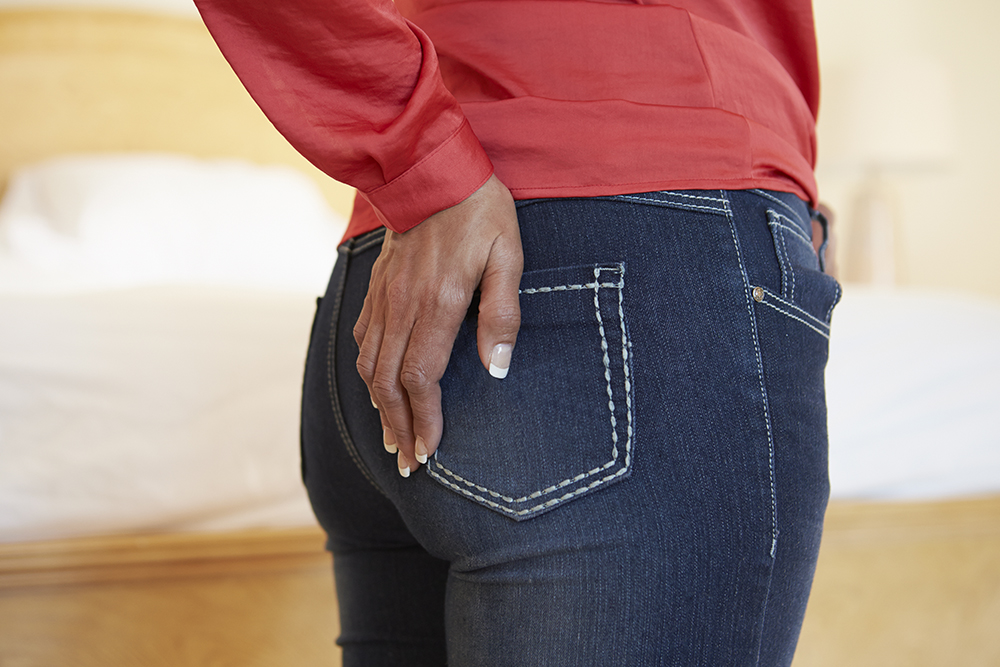
Strong glute muscles are a cornerstone of health as you age. While that may sound dramatic, it underscores a vital reality: physical independence often hinges on lower-body strength. People are frequently bedridden not only by chronic illness but also by sudden accidents. In these scenarios, those with robust gluteal and lower-body muscles typically respond better to treatment and experience faster recoveries. Because the glutes stabilize the body’s center of gravity, they are essential for maintaining an upright silhouette and preventing a “slouched posture.” As the aging process accelerates during middle age, women in particular must prioritize protecting their muscle mass.
Recovering from “Glute Amnesia”
Local public health centers are increasingly offering “Glute Amnesia Recovery Programs” to address declining physical function. “Glute muscles are essential for balance and fall prevention,” noted one health official. “To combat sarcopenia, we are focusing on restoring muscle function through targeted exercise.” After age 40, muscle mass naturally declines, dropping by 20–30% after age 65 and up to 50% after age 85. For women, this decline coincides with the onset of menopause and an increased risk of osteoporosis. Under these conditions, a simple fall can easily lead to a hip fracture—a leading cause of life-threatening complications in older adults.
Maintaining an Upright Stature
The gluteal group acts as the body’s central support system. When these muscles weaken, balance deteriorates and the risk of injury rises sharply. Furthermore, posture begins to sag. Even with a youthful complexion, a rounded back can diminish one's presence and confidence. Weak glutes also contribute to lower back and joint pain, which can eventually progress to hip osteoarthritis. Cultivating lower-body strength ensures that a woman can maintain her posture and mobility long after her younger years.

Consciously Engaging the Glutes
While walking is a popular form of exercise, walking alone is often insufficient for building significant gluteal strength. To maximize benefits, one should consciously squeeze the glute muscles while moving. For those without knee issues, squats and stair climbing are excellent, provided the focus remains on muscle activation.
The "bridge" is an especially effective exercise for this area. To perform it, lie on your back with knees bent at 90 degrees and feet flat on the floor, hip-width apart. Bring your heels close to your buttocks and keep your palms face down. As you lift your hips, you should feel a distinct tightening in the glutes. This is a simple, effective movement that can be performed frequently at home.
The Role of Protein and Movement
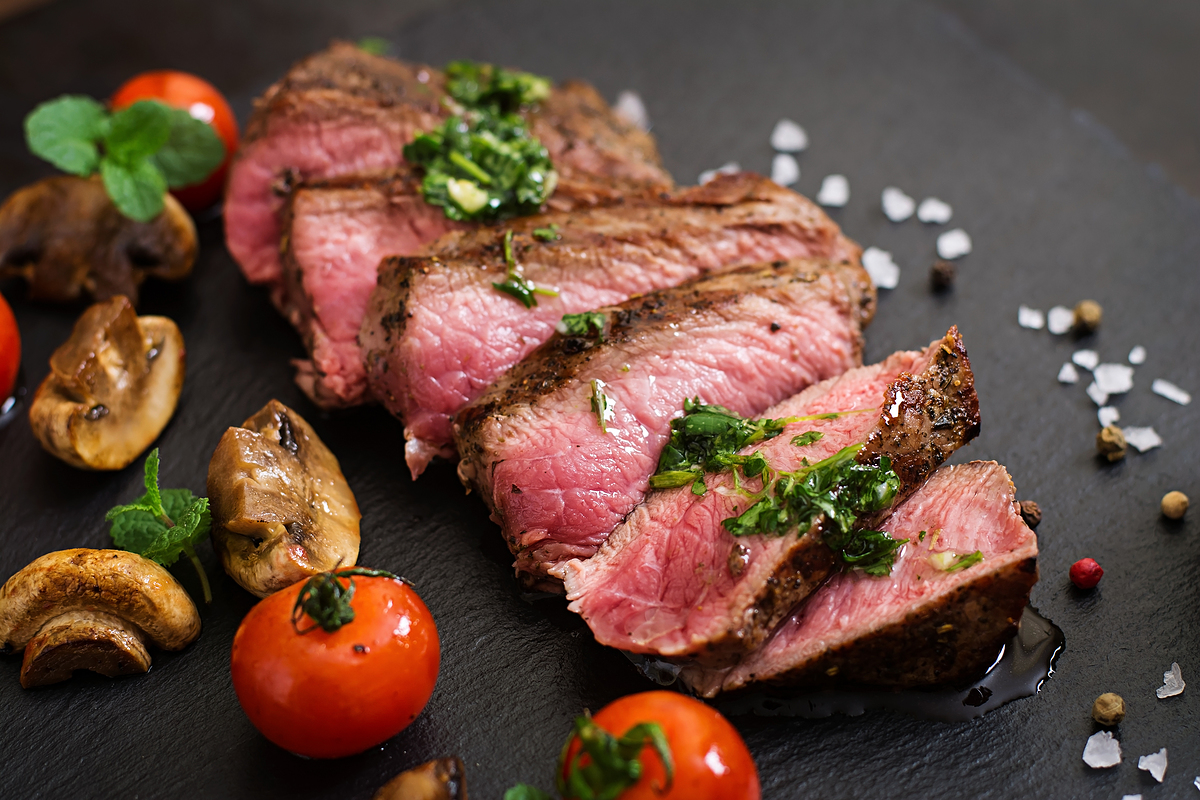
To counteract accelerated muscle loss, middle-aged individuals should consistently consume protein-rich foods such as eggs, fish, lean meat, and tofu. A standard recommendation is approximately 1g of protein per 1kg of body weight daily. Animal proteins like eggs and fish are considered “complete proteins” because they contain all essential amino acids and are easily absorbed.
It is more effective to distribute protein intake across three meals rather than consuming a large amount at once. While protein is necessary for both building muscle and losing fat, lifestyle habits are equally important. The most detrimental habit for glute health is sitting for extended periods, which leads to "flat butt" syndrome. To prevent this, make it a rule to stand up and walk around at least once every hour.