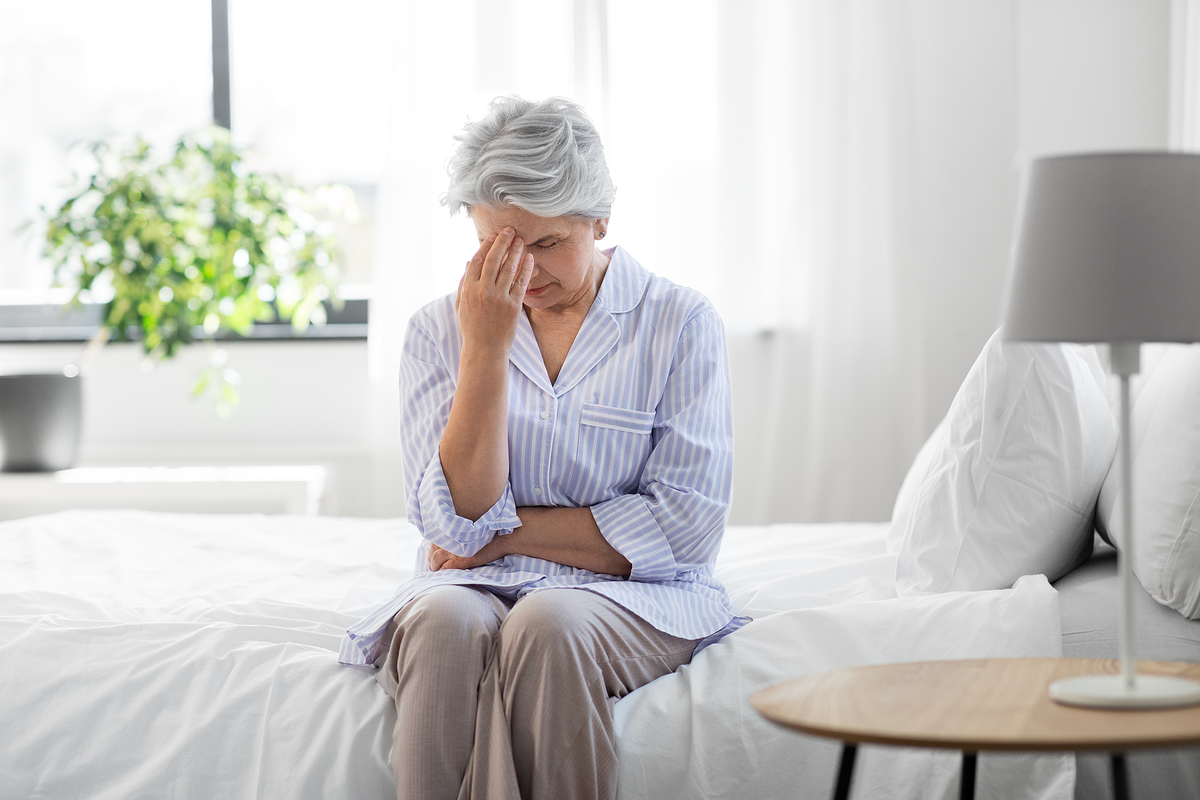
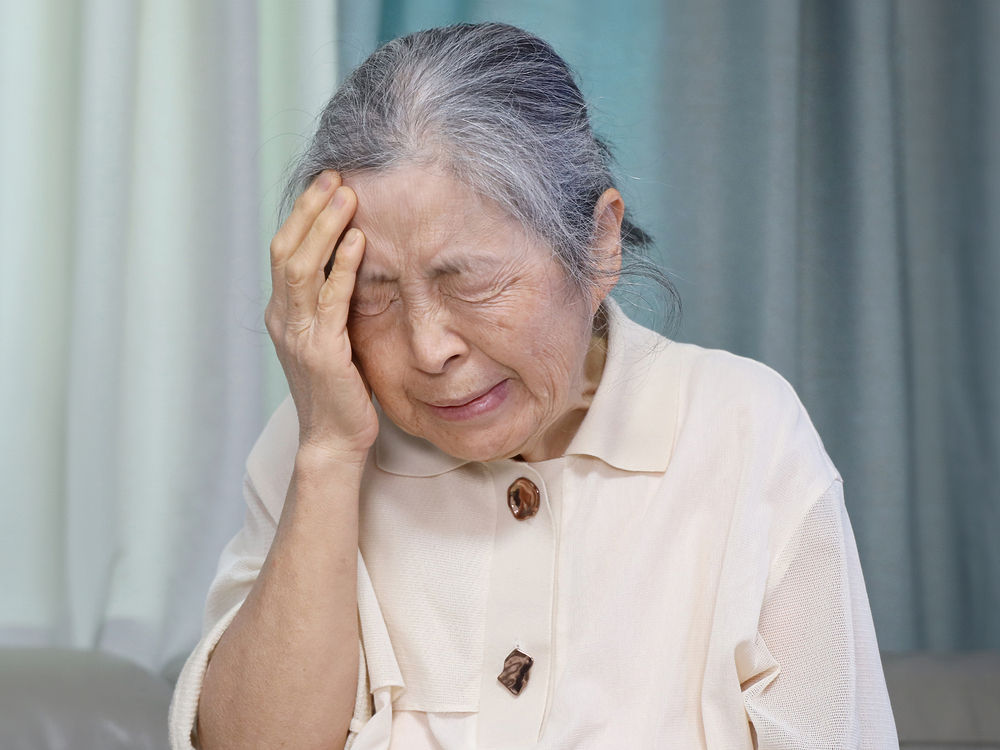
Ms. A is a 68-year-old woman whose life was once defined by a relentless cycle of physical trauma. After an appendectomy at a local clinic led to a hernia, she endured two subsequent failed surgeries at a colon-and-anorectal specialty hospital. Each invasive, open-abdominal operation left her bedridden for a month, followed by three months of recovery, only for the cycle to repeat. Last November, she reached a point of despair when she discovered a new bulge near her navel. Compounded by fecal incontinence, she found the prospect of leaving her home terrifying. Her daughter eventually recommended Lee Cheol-seung at Seoul St. Mary’s Hospital, an authority on recurrent hernias. Though briefly discouraged to find he had retired, Ms. A eventually tracked him down at the hospital where he had relocated.
Diagnostic imaging revealed a severely compromised abdominal and pelvic floor: the colon had detached from the abdominal wall in four places, three separate perforations were identified, and part of the rectum was protruding through the anus. The fecal incontinence was a direct result of this rectal prolapse.
“The doctor was young, but his kind, confident explanation gave me the trust I needed to get on the operating table,” she recalled.
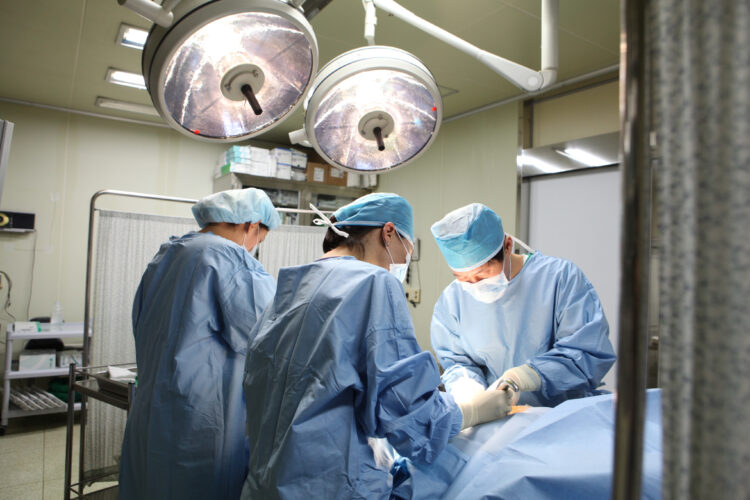
Her attending physician performed a highly complex, three-hour robotic procedure. He sutured the detached colon back to the abdominal wall, reinforced the area with synthetic mesh, and—rather than resecting the protruding rectum—manually repositioned and secured it to the rectal wall.
“Before the surgery, I honestly thought my life was ending, but I was able to walk the very next day,” Ms. A said. “My doctor even checked on me on a Sunday with such care that I was deeply moved. I am living a second life now—I can't help but tell everyone about this hospital. I’ve already recommended it to a fellow member at my church who sought care there today.”
Deputy Director Lee Cheol-seung, the attending surgeon, carries a storied medical lineage. He is the great-great-grandson of Dr. Seo Jae-pil, a prominent independence activist and the first Korean physician in the United States. After establishing an elite reputation for laparoscopic and robotic surgery at Seoul St. Mary’s Hospital, Lee Cheol-seung moved to Hansol Hospital, an institution founded by his father, Dr. Lee Dong-geun.
The elder Lee’s specialization began in the late 1980s while he was a professor of surgery at Chosun University Hospital. He was profoundly influenced by the advent of colonoscopy; observing a 1.5-meter endoscopic instrument reveal frequent misdiagnoses by other physicians, he concluded that a dedicated focus on colon diseases was essential. Despite warnings that a new practice in Seoul would fail without established connections, he prepared with clinical rigor. He studied hemorrhoid surgery in Japan and specialized in the "science of the anus" at the University of Toronto. He also collaborated with Park Jae-gap—a pioneer in coloproctology at Seoul National University Hospital—and visited the American Society of Colon and Rectal Surgeons to absorb global best practices. In 1990, he opened Lee Dong-geun Surgery in Songpa-dong.
“I didn’t know Seoul well, but I had served here as a military doctor,” he said. “We set up 10 single-occupancy rooms because privacy is paramount for anorectal conditions. At first, I was anxious because patients were few, but word spread quickly. Eventually, the patient volume was so high that people were recovering in the operating and X-ray rooms. I felt such a sense of responsibility that we doubled our capacity within a year.”
As patient numbers swelled, Director Lee became concerned by how many people neglected their conditions, often relying on ineffective folk remedies. Seeking to educate the public, he took a bold step toward health journalism.
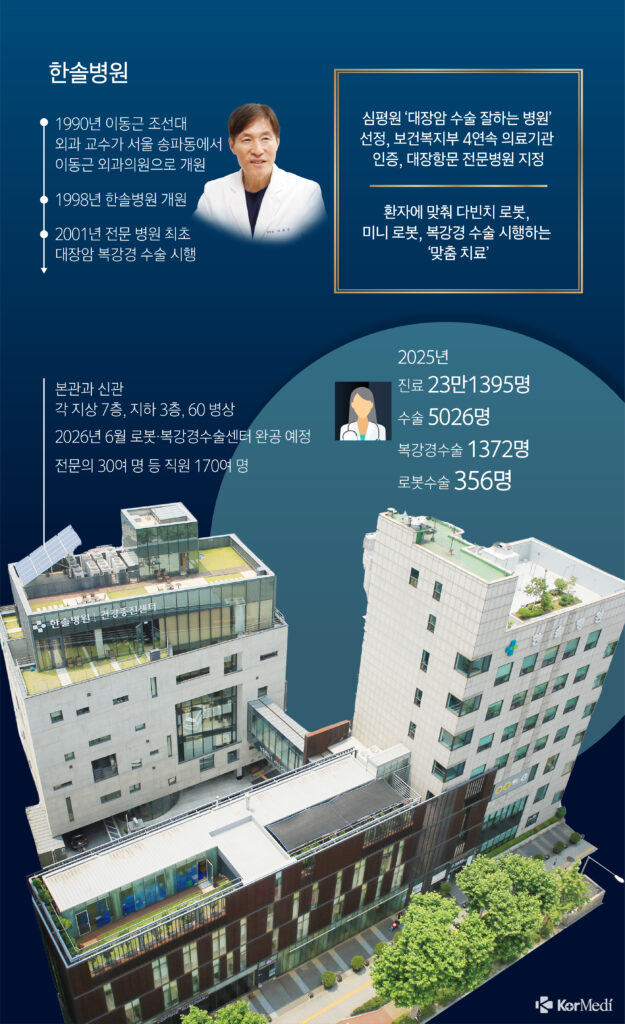
“In 1995, I went to the Dong-A Ilbo building without an appointment. I told the security guard I was a doctor here to see the science editor. When I met Editor Lee Yong-su, I proposed a regular column on anorectal health. He listened to my background and simply asked me to write well for the readers. At that time, Dong-A Ilbo was a top-tier paper with massive influence. Patients began traveling from across the country.” By 1998, the clinic evolved into Hansol Hospital, adding gastroenterology and CT imaging to treat colon and rectal cancers.
Opening the Laparoscopic Era
Director Lee authored several books for both medical professionals and the public, including The Reality of Anorectal Surgery and How to Manage Colon & Anorectal Health, while maintaining a constant presence at international academic conferences.
“In 2000, I met Professor Kim Seon-han at a coloproctology meeting. That encounter became the turning point for the hospital,” Director Lee recalled. Professor Kim had trained at the Cleveland Clinic, the global epicenter of laparoscopic colorectal surgery, under the master Jeffrey Milsom. However, Kim was struggling to implement these techniques in Korea due to skepticism from senior faculty in academia.
Director Lee offered Kim a unique proposition: “Open a laparoscopic surgery center at our hospital and operate as much as you want. We will offer these procedures for the same fee as open surgery. Even if the hospital takes a loss, we will prioritize the patients.”
Over the next four years, Hansol Hospital became a "mecca" for the field, performing approximately 500 laparoscopic surgeries for colon cancer. The hospital hosted international symposia featuring world-leading experts and broadcasted live surgeries to over 50 countries. When Kim eventually returned to university faculty, he famously noted, “Korea University raised me, but Hansol Hospital gave me wings.”
The legacy continued with Medical Director Jeong Chun-sik, who pioneered "single-port laparoscopic surgery." Unlike traditional methods requiring multiple incisions, this technique utilizes a single 1–1.5 cm opening near the navel. The result is minimal scarring and significantly reduced post-operative pain. Having performed over 5,000 such procedures with a recurrence rate of just 0.1%, Jeong’s outcomes have been hailed at international conferences. Since 2024, the hospital has shared this expertise through training programs for visiting physicians.
A One-of-a-Kind Specialty Hospital for Robotic Surgery
In March 2023, the appointment of Lee Cheol-seung as head of surgery signaled the hospital’s latest evolution into robotic excellence.
“He didn’t join simply because he is my son,” Director Lee explained. “Deputy Director Lee was already an acclaimed surgeon at Seoul St. Mary’s Hospital, winning top honors in laparoscopic skills competitions and publishing nearly 100 papers. He is an authority in his own right.”
Lee Cheol-seung introduced the "ArtiSential" mini-robotic system to Hansol Hospital. This 360-degree multi-jointed tool mimics a surgeon’s hand movements, allowing for high-precision surgery in deep pelvic areas and drastically reducing complications. In 2024, the hospital introduced the single-port (SP) surgical robot, solidifying its status as a leader in robotic coloproctology.
During the K-Best Hospital evaluation, peers in the medical community noted that Hansol Hospital maintains a rare ethical balance, applying laparoscopic, mini-robotic, or full robotic surgery based strictly on individual patient needs rather than profitability. Director Lee confirmed that non-covered procedures account for only about 10% of the hospital's volume, primarily for patients with specific insurance coverage.
Since being designated a surgical specialty hospital by the Ministry of Health and Welfare in 2005, Hansol Hospital has consistently earned top rankings for colon cancer care and has been recognized for having the shortest average length of stay for cancer patients in the nation.
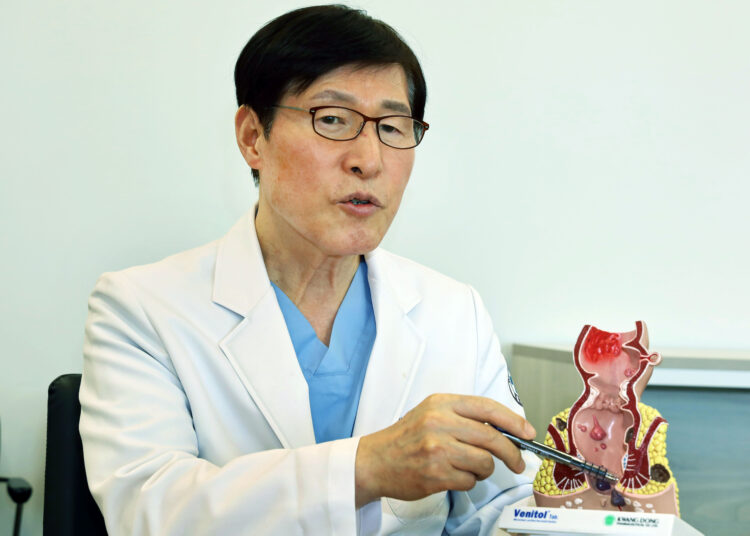
Even in his 70s, Director Lee remains as active as his son, seeing 400 patients and performing 20 surgeries per week. His textbook, Practices of Anorectal Surgery, published by the global firm Springer, has been translated into Chinese and remains a vital resource for surgeons worldwide. Despite this global influence, Lee remains steadfast in his medical philosophy.
“There is no miracle treatment unique to Hansol,” he stated firmly. “Some hospitals advertise 'one-day miracle cures' for complex conditions like anal fistulas, but often they are simply discharging patients too early. In surgery, you must identify every single tract and close them meticulously. While technology advances, a surgeon must remain humble and never let go of that 'thread of tension.' Whether it is a common hemorrhoid or a complex fistula, my priority is ensuring there is not even the slightest damage to the patient’s quality of life.”