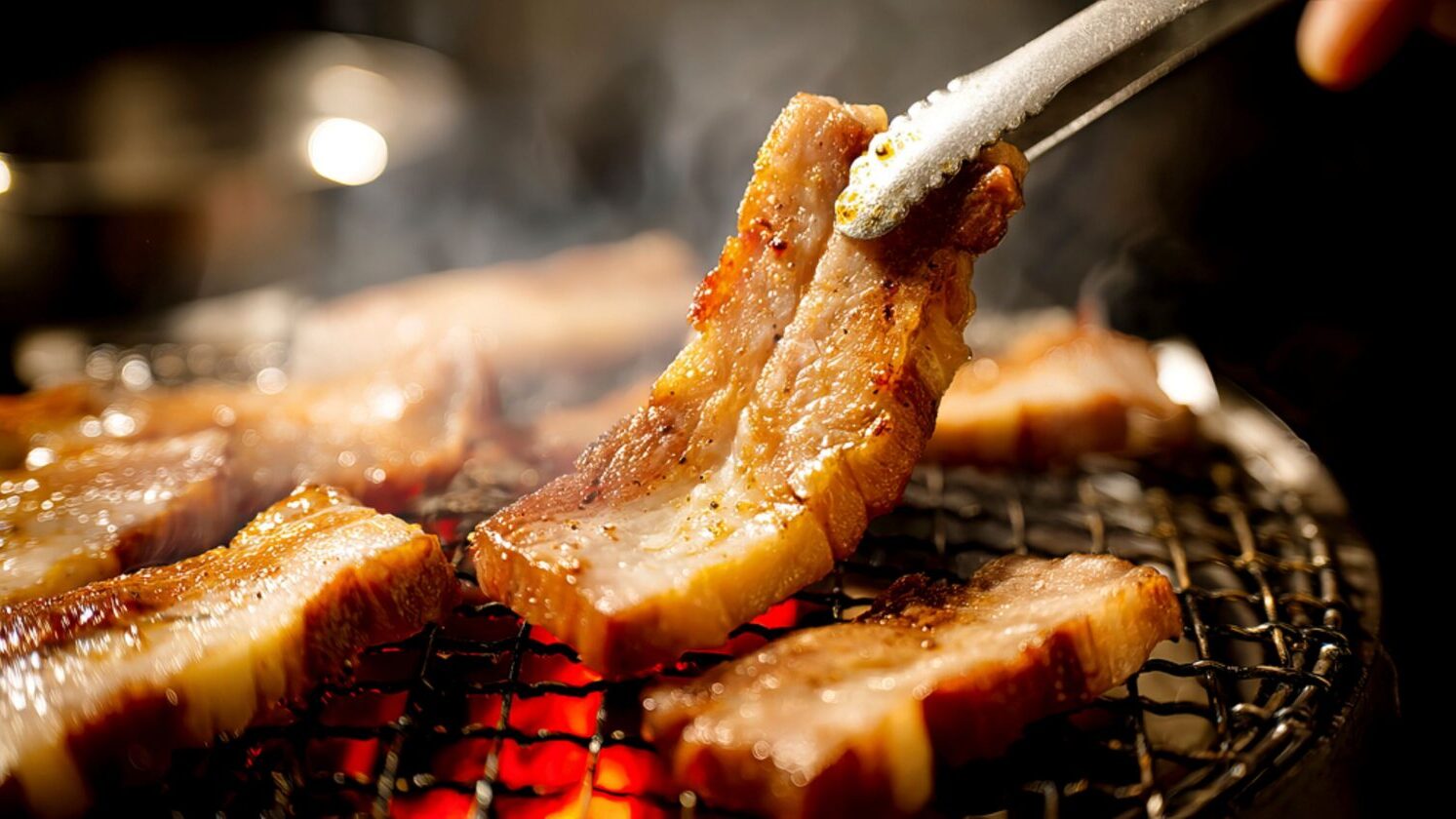
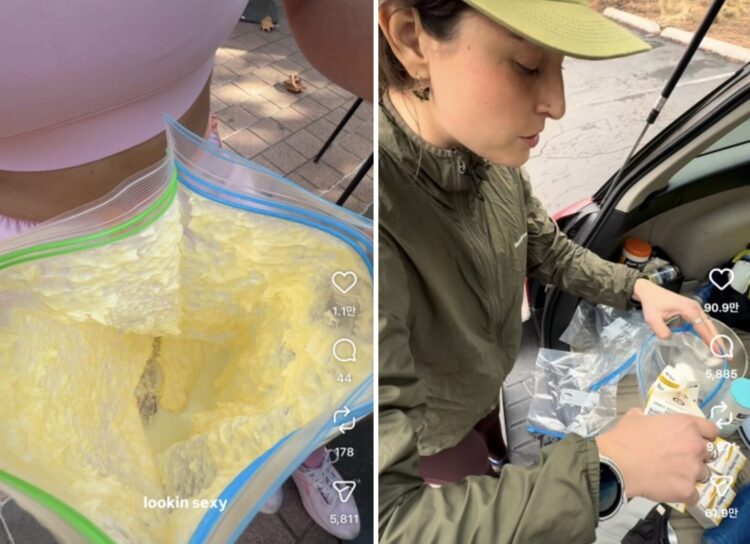
Butter rice cakes, the “Butter Run” challenge, and even eating a spoonful of butter on an empty stomach—these days, butter is a consistent fixture in social media trends and diet routines. In particular, the “Butter Run Challenge,” where participants make butter by shaking heavy cream in a zip-top bag while running, has become a viral hit among runners.
Unlike in the past, when butter was viewed negatively as a "greasy and fattening" ingredient, it is undergoing a reappraisal for its flavor and richness. This shift was influenced by the global boom in ketogenic and low-carb, high-fat (LCHF) diets, which prioritize "healthy fats" as a primary energy source. This period also saw the rise of “Bulletproof Coffee,” a blend of black coffee, unsalted butter, and oil, as a popular weight-loss tool.
The Benefits of Butter in Moderation
When consumed in appropriate amounts, butter can offer specific health benefits. It is rich in vitamin A, which supports eye health and skin regeneration, and contains vitamin E, known for its antioxidant effects. Furthermore, using butter to sauté vegetables can enhance the body’s absorption of fat-soluble nutrients.
The recently released revision draft of the U.S. Dietary Guidelines for Americans (DGA) 2025–2030 has also shifted toward promoting the concept of “healthy fats,” including animal-based fats like butter and beef tallow. This marks a departure from previous guidelines that largely treated fat as an enemy of health.
Saturated Fat Limits Still Apply
Despite the growing acceptance of animal fats, the revision draft maintains the recommendation to limit saturated fat to less than 10% of total daily calories. Overconsumption remains a concern, particularly for individuals with obesity or diabetes, as the saturated fat in butter can raise LDL cholesterol levels and contribute to cardiovascular disease risk.
So, what is the appropriate daily amount? The 2025 Dietary Reference Intakes for Koreans (KDRIs) recommend that adults limit saturated fat to less than 7% of their total energy intake. For an average 2,000 kcal daily diet, this equates to a limit of approximately 15 g of saturated fat.
The Verdict on the “Butter Run”
The heavy cream used in a typical Butter Run Challenge—usually 150–200 mL—produces about 50–90 g of butter. This amount far exceeds the recommended daily saturated fat intake for an adult. Rather than consuming the entire yield at once, it is best to portion the butter for storage or share it with fellow runners to maintain a healthy balance.