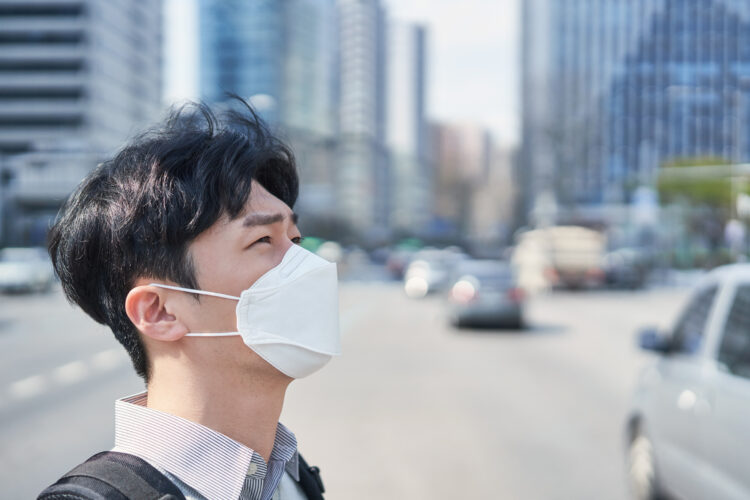
With the arrival of springtime yellow dust and surging levels of fine particulate matter—compounded by the continuous emergence of new COVID-19 variants—respiratory infections are on the rise. Against this backdrop, a recent study has revealed that long-term exposure to air pollution may further increase the risk of lung damage and death among patients with severe COVID-19.
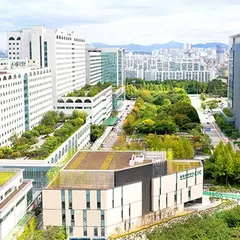
A research team at The Catholic University of Korea Yeouido St. Mary’s Hospital examined the impact of air pollution on the clinical outcomes of 1,867 adult patients. These individuals, all suffering from moderate-to-severe COVID-19 pneumonia, were hospitalized at Catholic Medical Center–affiliated hospitals between January 2020 and December 2022. Utilizing data from air-quality monitoring networks based on the patients' residential addresses, the team defined "short-term exposure" as the three-day average prior to admission and "long-term exposure" as the three-year average. Five specific pollutants were analyzed: sulfur dioxide (SO₂), carbon monoxide (CO), nitrogen dioxide (NO₂), particulate matter (PM10), and fine particulate matter (PM2.5).
The findings indicated that among severe COVID-19 patients exposed to these pollutants, the probability of developing acute respiratory distress syndrome (ARDS) within seven days of hospitalization was 16.8%, while the 30-day mortality rate reached 19.4%. Carbon monoxide (CO)—typically produced by vehicle exhaust, cigarette smoke, and heating appliances—showed the most consistent correlation. For short-term exposure, each 0.1 ppm increase in CO was linked to a 1.18-fold higher risk of ARDS and a 1.15-fold higher risk of death within 30 days.
Particulate matter (PM10) was also identified as a significant risk factor. In patients with long-term exposure, a 10 μg/m³ increase in PM10 was associated with a 2.24-fold increase in the risk of developing ARDS. The study was recently published in the international respiratory medicine journal Respirology.
Carbon Monoxide as a Key Risk Indicator
Kim Seo-hyun, a professor in the Division of Pulmonology at Yeouido St. Mary’s Hospital and the study’s first author, noted, “Through this study, we confirmed that exposure to carbon monoxide (CO)—which has received relatively less attention in air-quality surveillance—shows a consistent association with outcomes in patients with severe COVID-19.”
Professor Kim Seo-hyun added, “This suggests that urban environments with heavy traffic may be an important risk indicator for populations vulnerable to infectious diseases.” She advised that individuals living in areas with severe air pollution or high concentrations of exhaust emissions should take specific precautions, such as wearing a mask in their daily lives.