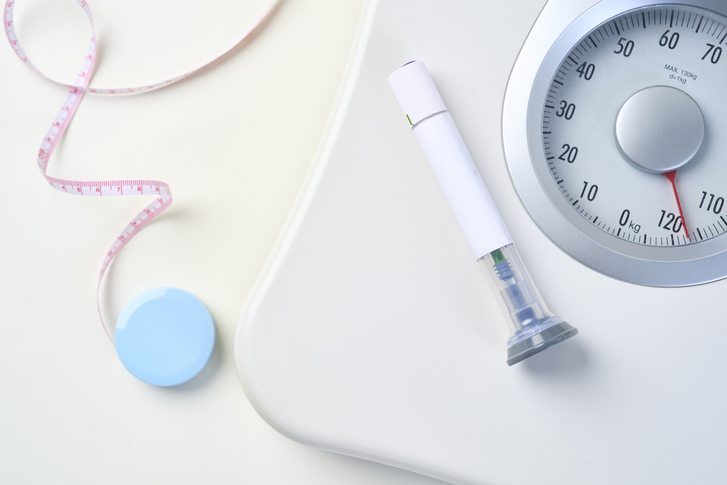
As anti-obesity medications for weight loss and blood sugar control gain popularity, monitoring and managing potential side effects has become increasingly important.
Novo Nordisk’s Wegovy (semaglutide) mimics GLP-1 (glucagon-like peptide-1), an appetite-regulating hormone. It acts on the hypothalamus to increase satiety and suppress appetite. Eli Lilly’s Mounjaro (tirzepatide) targets both GLP-1 and GIP (glucose-dependent insulinotropic polypeptide) receptors, often resulting in a more potent appetite-suppressing effect. While both have demonstrated efficacy in clinical trials, users should remain vigilant regarding certain complications.
The Link Between Rapid Weight Loss and Pancreatitis
A recent large-scale study involving 66,000 participants indicated a slightly increased likelihood of pancreatitis among patients using GLP-1 receptor agonists. According to U.S. Food and Drug Administration (FDA) data, 30% of these cases occurred within the first month of treatment, and approximately half occurred within the first three months.
The medication itself does not typically damage the pancreas directly. Instead, the risk stems from rapid weight loss—specifically losing more than 1.5 kg per week. Rapid weight reduction increases cholesterol secretion from the liver while decreasing bile secretion and gallbladder motility. GLP-1 injections further slow the biliary tract, creating an environment where gallstones can easily form. If a gallstone blocks the pancreatic duct, it can trigger acute pancreatitis.
Warning Signs and When to See a Doctor
Early side effects like mild nausea or indigestion are common and often dismissed. However, patients should watch for these specific warning signs of gallstones or biliary issues:
Weight loss exceeding 1.5 kg in a single week
Pale or gray-colored stools
Persistent upper-abdominal discomfort or severe bloating
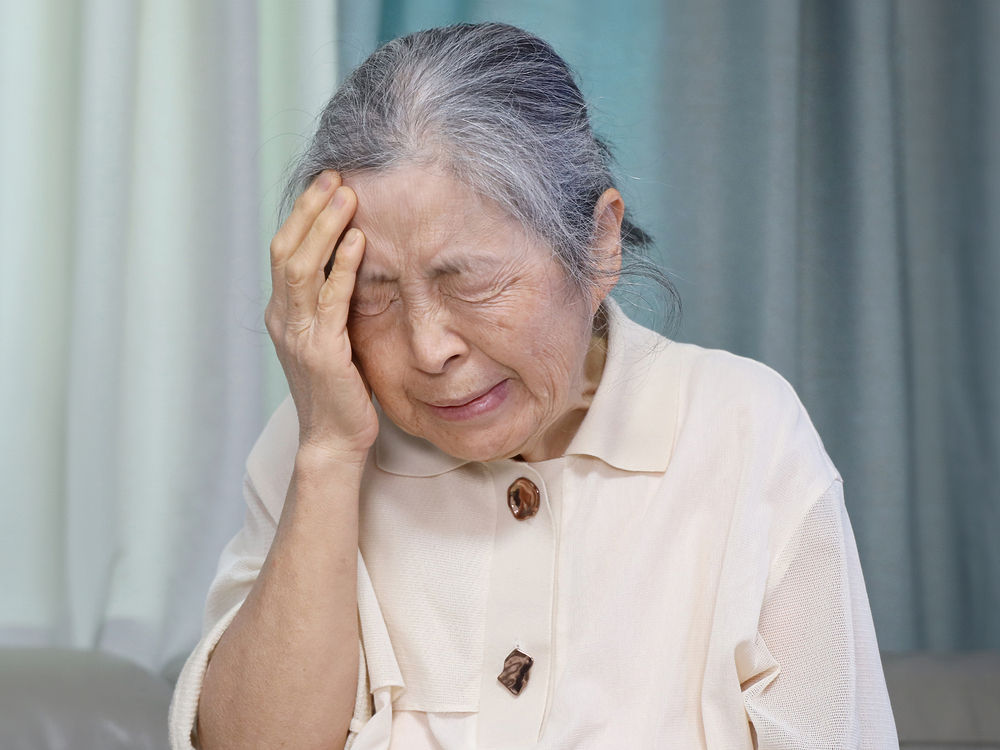
Professor Lee Si-young of the Division of Gastroenterology at Kangbuk Samsung Hospital advised, “If you develop severe, stabbing pain in the pit of the stomach or the upper left abdomen rather than mild discomfort, acute pancreatitis should be suspected.”
Professor Lee noted that pancreatitis pain often worsens when lying flat and may lessen when curling forward. If pain radiates to the side or back, or is accompanied by fever and severe vomiting, immediate hospital evaluation is necessary.
Despite these risks, Professor Lee clarified that there is no definitive evidence that GLP-1 injections themselves cause pancreatitis recurrence. "There is no need to forgo the therapeutic benefits of these medications based solely on a history of pancreatitis," he explained, "but it is essential to assess individual risk factors with a physician beforehand."