South Korea is globally recognized for possessing one of the most efficient and well-established National Health Insurance (NHI) systems in the world. It offers an expansive range of benefits—from financial support for rare diseases to routine health screenings and preventative dental care. For many international residents enrolled in the program, however, several high-value benefits remain underutilized.
Here is a guide to the essential coverage you should be using to protect your health and your finances.
100% Coverage for Cervical Cancer Screenings
While cervical cancer has traditionally been associated with women in their 40s and 50s, incidence rates among women in their 20s and 30s have risen noticeably in recent years. In response, the National Health Insurance Service (NHIS) provides a cervical cancer screening once every two years for all women aged 20 and older.
The cost of this screening is 100% covered by the NHIS. Eligibility extends to all insurance subscribers, their dependents, and Medical Aid beneficiaries. The system operates on a birth-year rotation: those born in odd-numbered years are eligible during odd-numbered years, and those born in even-numbered years are eligible during even-numbered years.
Annual Dental Scaling to Protect Gum Health
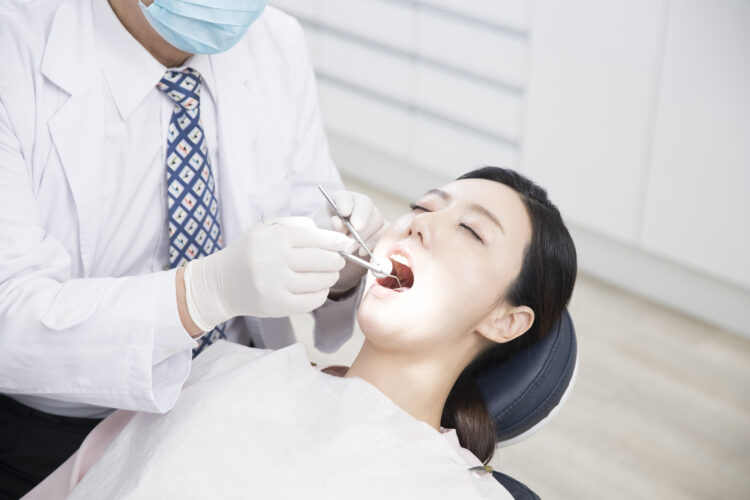
Regular tartar removal is critical to preventing gum inflammation and bone loss, which can ultimately lead to tooth loss. NHI subscribers and dependents aged 19 and older are entitled to one covered scaling session per calendar year (January 1 through December 31).
While insurance does not apply to a second session within the same year, coverage is available even for those under 19 if the scaling is a required step for periodontal surgery. You can verify your annual eligibility at any dental clinic, through the NHIS website, or via the "The Health Insurance" mobile app.
Drastically Reduced Costs for Rare and Serious Diseases
The Special Case Calculation (Reduced Copayment) program is designed to protect patients from the financial ruin of catastrophic illness. Under this system, the NHIS significantly reduces the out-of-pocket expenses for serious conditions including cancer, heart disease, cerebrovascular disease, severe burns, dementia, and tuberculosis.
As of 2023, the list of covered conditions grew to include 1,165 rare diseases and 208 severe intractable diseases. Patients qualifying for this program pay only 0% to 10% of their total medical costs, depending on the specific diagnosis.
Expanded Coverage for Vision and Eye Health
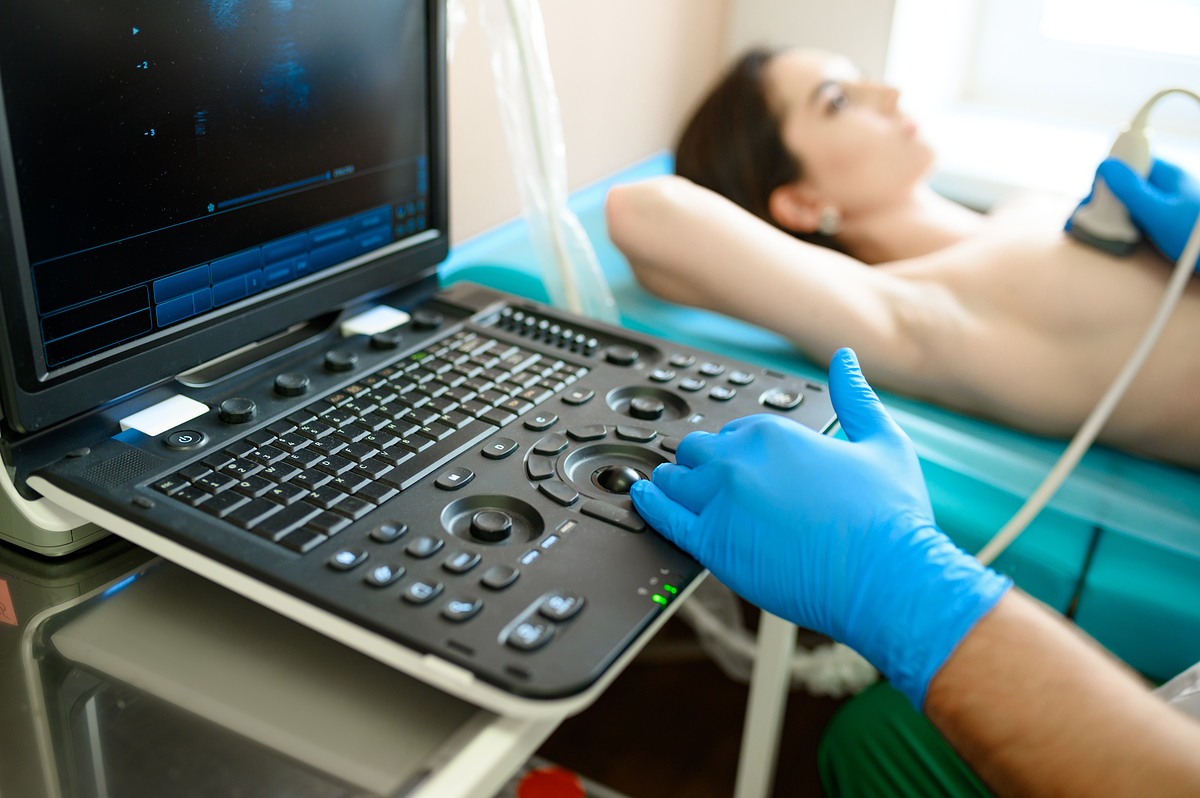
If you are suffering from, or suspected of having, a condition affecting the eyeball or orbit, health insurance covers an ocular ultrasound examination. High-risk patients may be eligible for a second covered exam.
Furthermore, benefits for glaucoma patients have expanded significantly. The "glaucoma aqueous drainage device implantation," a critical procedure for those whose intraocular pressure cannot be controlled by medication, was previously non-reimbursable. Under the new coverage, the cost for this procedure at a tertiary general hospital has dropped from approximately 1.32 million KRW to just 200,000 KRW.
Affordable Continuous Glucose Monitoring (CGM)
For diabetic patients, Continuous Glucose Monitors (CGM) allow for real-time tracking without frequent needle sticks. To ease the financial burden, the NHIS began covering these devices for Type 1 diabetes patients.
Since August 2022, the average cost per sensor has plummeted from roughly 87,200 KRW to between 10,800 KRW and 18,800 KRW. This coverage also includes specialized education sessions, ensuring patients receive professional guidance on how to use the technology effectively.
Insurance Coverage for Korean Herbal Medicine
Under Phase 2 of a Ministry of Health and Welfare pilot project, health insurance now covers herbal decoctions (Hanyak) for six specific conditions where Korean medicine has proven highly effective. These include:
Functional dyspepsia (indigestion)
Lumbar herniated discs
Menstrual pain
Facial paralysis
Cerebrovascular disease sequelae
Allergic rhinitis
For these conditions, the NHI covers 60% of the cost, leaving the patient to pay the remaining 40%—making traditional treatments significantly more accessible to the public.