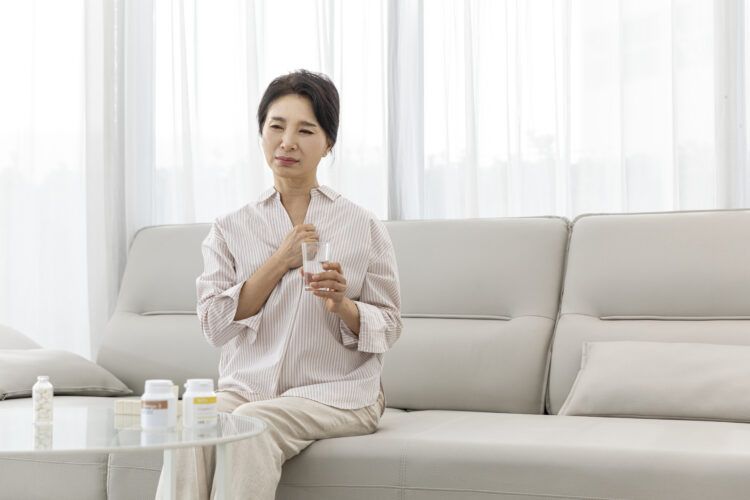
There is an old saying that "more is better," but when it comes to health supplements, this is a dangerous misconception. Taking multiple supplements indiscriminately based on various health claims often leads to exceeding the recommended daily intake.
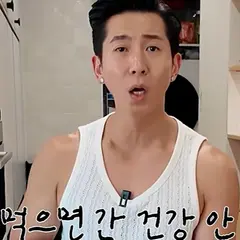
Pharmacist Jae-hoon Jung, host of the YouTube channel Health Rescue Squad, recently highlighted supplements that he believes are marketed with exaggerated claims or carry significant side effects. He specifically singled out vitamin E as the one supplement he "absolutely does not take."
Vitamin E: The Antioxidant Reported to Increase Cancer Risk
“Thirty to forty years ago, vitamin E was hailed as a powerful antioxidant and a miracle for slowing down aging,” Jung explained. However, he noted that modern research has painted a much more complicated picture: “Multiple studies have since reported that supplemental vitamin E may actually increase the risk of cancer.”
One of the most notable findings comes from a study led by the U.S. National Cancer Institute, which revealed that men who took 400 IU (approximately 268 mg) of vitamin E daily showed a statistically significant increase in the risk of developing prostate cancer.
Jung warned against the oversimplified view that all antioxidants are "good" and all oxidants are "bad." "The body actually uses oxidation as a tool to destroy harmful substances," he noted. "If you disrupt this delicate balance by taking high doses of a single antioxidant, you could inadvertently hinder the body’s natural ability to fight off emerging cancer cells."
Fat-Soluble Risks: Accumulation and Bleeding
Unlike water-soluble vitamins, vitamin E is fat-soluble, meaning it is not excreted through urine but instead accumulates in the body's tissues. Research suggests that taking 800 IU or more per day can lead to serious cardiovascular side effects and an increased risk of bleeding.
This accumulation is particularly concerning because excess vitamin E can inhibit platelet aggregation and interfere with vitamin K, which is essential for blood clotting. When this process is disrupted, individuals may experience:
Frequent bruising or nosebleeds.
Difficulty controlling bleeding during or after surgery.
Interference with blood-thinning medications.
Food vs. Supplements: The Safer Path
While high-dose supplements carry risks, obtaining vitamin E naturally through your diet remains highly beneficial. Food-based vitamin E supports blood vessel health, protects cells from damage, and reduces the oxidation of LDL ("bad") cholesterol. It also plays a vital role in maintaining immune function and protecting the skin from UV damage.
To reap these benefits safely, experts recommend focusing on nutrient-dense foods rather than pills. Excellent natural sources of vitamin E include:
Almonds and sunflower seeds
Vegetable oils (such as olive or sunflower oil)
Avocados
By choosing food over high-dose supplements, you can support your body's antioxidant defenses without overriding its natural regulatory systems.