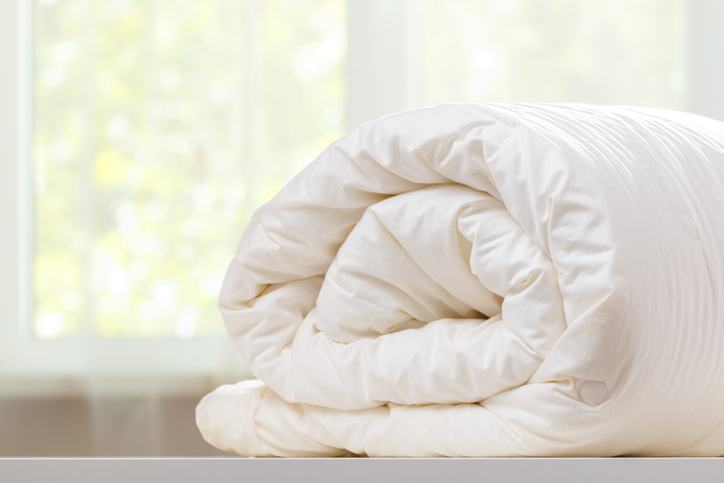
Many people consider making the bed first thing in the morning a cornerstone of a productive day. However, shaking out your comforter and arranging your pillows immediately after waking may not be ideal from a hygiene standpoint. This is because sweat, sebum, and moisture released from our bodies during sleep need time to evaporate.
House Dust Mites: Up to 1.5 Million Can Live in a Single Bed
During a typical night's sleep, an average of 200–500 mL of sweat and moisture is released from the body, soaking directly into the bedding and mattress.
If you make the bed immediately while the comforter is still damp, that moisture—and the body heat—remains trapped inside. This creates the optimal temperature and humidity for house dust mites to thrive and reproduce. These microscopic organisms, which can trigger asthma, rhinitis, and various allergies, are known to number as many as 1.5 million in a single bed.
On the other hand, if you leave the comforter pulled back, moisture evaporates quickly and the internal humidity of the bedding drops. When house dust mites cannot absorb moisture, they become dehydrated and are unable to reproduce.

The Importance of Ventilation and Natural Light
The same principle applies to pillows. By standing them up or moving them aside, you expose the mattress surface to the air, keeping the entire sleep environment more hygienic.
Ventilating your room for 30 minutes to an hour right after waking helps moisture evaporate even faster. On days when air quality is good, spreading your comforter out in direct sunlight is also a great habit. Ultraviolet rays have a natural disinfecting effect that can kill bacteria and mites, preventing buildup.
Washing and Maintenance: The 60°C Rule
While airing out your bed helps, it cannot completely eliminate mites. Over time, dead skin cells, sebum, and dandruff accumulate. To remove these, you should thoroughly vacuum the mattress surface at least once every three months.
For comforters and pillowcases, a regular wash cycle every 1–2 weeks is essential:
Standard Bedding: Washing at a high temperature of 60°C or higher is the most effective way to kill mites and remove contaminants.
Linen Bedding: These delicate fabrics should be washed at a lukewarm temperature of 30°C or below using a neutral detergent.
It is also important to shake out the comforter briskly before washing. Because physical agitation causes house dust mites to fall to the ground, it is best to perform this task outdoors to ensure the mites are removed from the home environment.