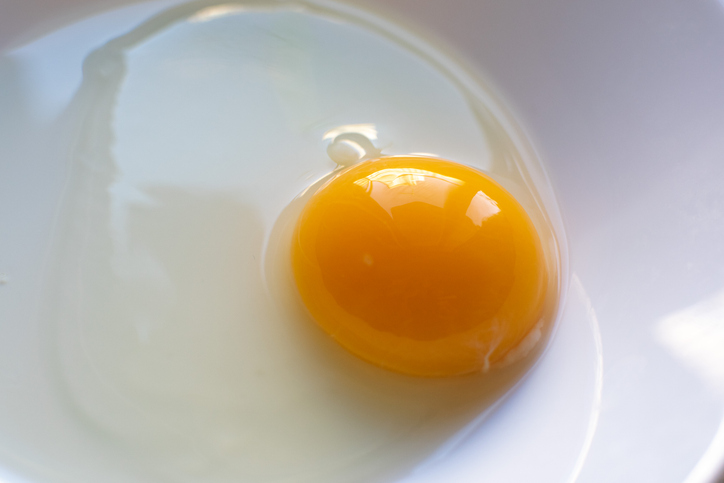
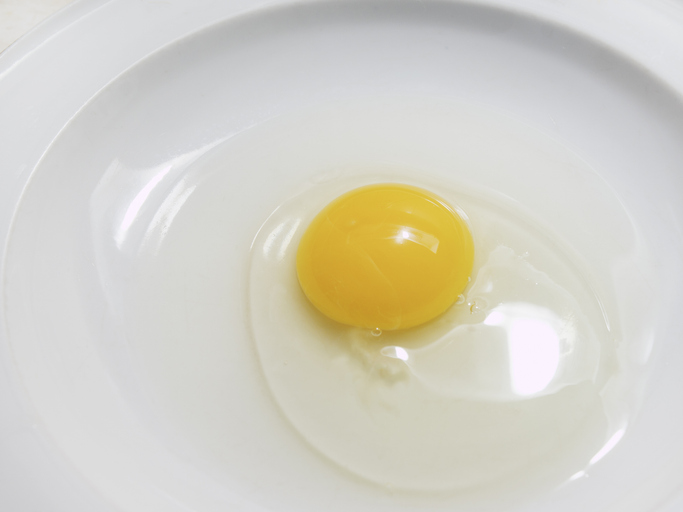
Egg yolks come in a striking spectrum of colors, from pale primrose to deep, vibrant orange. Because the visual difference is so pronounced, many consumers naturally assume that a darker yolk indicates a superior nutritional profile. However, internal research and food safety guidelines tell a different story.
What a Hen Eats Determines the Yolk's Hue
To put it simply: yolk color has no bearing on an egg's quality or nutritional value. According to South Korea’s Ministry of Food and Drug Safety (MFDS), the intensity of the yellow depends entirely on the hen’s specific diet.
Hens fed a diet rich in xanthophyll—a natural carotenoid pigment found in plants—produce darker, more orange yolks. This occurs when hens consume pigment-rich feed such as paprika, marigold petals, or fresh pasture grasses. Conversely, a diet based primarily on white corn or wheat results in a much paler yellow. While the Poultry Research Institute notes that xanthophyll is involved in vitamin A metabolism in the bird, it is not converted into vitamin A in the human body. Therefore, a darker yolk does not equate to a more nutritious meal.
Cracking the Code: How to Identify a High-Quality Egg
If color isn't the key to quality, how should you choose your eggs? Experts suggest ignoring the yolk color and instead focusing on the alphanumeric code printed on the shell. This code provides three critical pieces of information: the lay date, the producer ID, and the farming-environment code.
For example, in a code such as "0326 MFDS1 2":
0326: Indicates the egg was laid on March 26.
MFDS1: Is the unique identification number for the producing farm.
2: Represents the farming environment.
The final digit—the farming-environment code—is divided into four tiers:
Free-range: Hens have access to the outdoors.
Barn-raised: Hens move freely within a floor-based indoor system.
Enriched cage: A system with slightly more space and perches.
Conventional cage: Traditional caged housing.
While a lower number (1 or 2) indicates a more spacious rearing environment, freshness is ultimately determined by the lay date. An egg from a "Tier 1" farm will still lose its quality if it has been sitting for too long. For peak freshness, select eggs sold within two to three weeks of the lay date.
Are Fertilized or Animal-Welfare Eggs Healthier?
There is a common misconception that fertilized or animal-welfare eggs are inherently more nutritious. While these eggs may offer a richer flavor profile and a less prominent "fishy" odor, they do not contain significantly higher levels of protein or lower levels of cholesterol than standard eggs.
To ensure you are buying the best possible product, the Korea Poultry Association recommends a simple visual inspection: high-quality eggs should be clean, oval-shaped, and entirely free of cracks. Proper temperature control during distribution is the final factor in maintaining the integrity of the egg from the farm to your table.