Losing between 50 and 100 strands of hair a day is considered a normal part of the hair cycle. However, many people feel a sense of dread when they spot a pile of hair in the drain after a shower. If your hair feels noticeably thinner or lacks its usual volume, it may be time to scrutinize your daily hair care routine.
Experts suggest that the journey toward hair loss often begins with poor shampooing habits. Because the scalp environment is significantly impacted by how we cleanse it, minor adjustments to your technique can make a major difference. If you are concerned about thinning hair, consider these essential refinements to your washing method.
Use Your Fingertips, Not Your Nails
Scratching the scalp with fingernails during a wash can cause microscopic tears and abrasions. These repeated injuries often lead to inflammation, which compromises the health of the follicles and can eventually promote hair loss. Instead, create a rich lather and gently massage the scalp using the pads of your fingertips. It is particularly important to reduce pressure around the crown and the hairline, where the skin is often more sensitive.
The Power of a One-Minute Warm Water Pre-Rinse
A step frequently emphasized by dermatologists is "pre-cleansing." Rinsing the hair with warm water for approximately one minute before applying any product helps loosen dust, pollutants, and excess sebum. This simple step allows you to use less shampoo and reduces the likelihood of leaving residual cleansing agents behind. Ideally, the water should be between 36°C and 38°C—close to body temperature. Water that is too hot can strip the scalp of essential oils, leading to dryness and irritation.
Target the Scalp, Lather the Hair
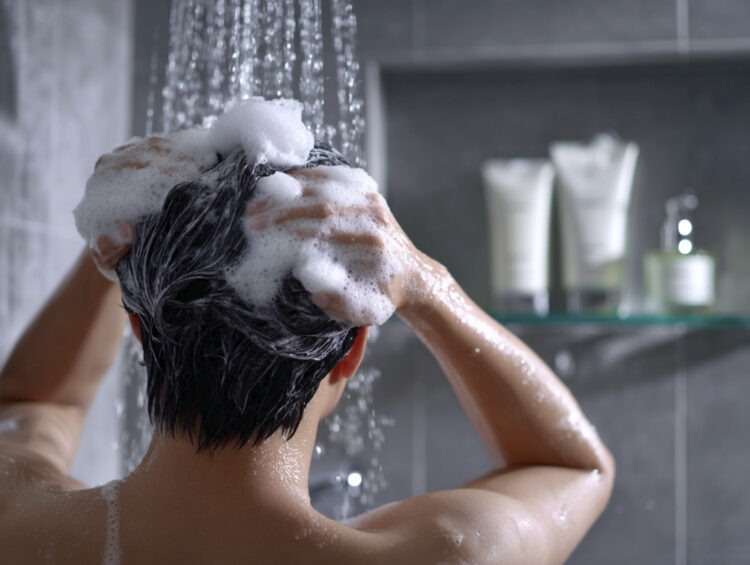
A common mistake is applying shampoo directly to the hair fibers. In reality, the primary goal of shampooing is to cleanse the scalp. It is best to foam the shampoo in your hands first, apply it directly to the scalp, and let the lather naturally work its way down the length of the hair. Avoid aggressive friction on the ends of the hair, as this can cause breakage. The entire process should take between one and three minutes; excessive rubbing can damage the scalp's natural protective barrier.
Apply Treatments to the Hair Only
Conditioners and treatments are designed for the hair, not the skin. Applying these products directly to the scalp can clog pores or leave a film of residue. Apply your treatment from the mid-lengths to the ends of the hair and rinse thoroughly. This habit is especially crucial for those with oily scalps, as it prevents product buildup that can lead to breakouts or irritation.
Thorough Rinsing is Non-Negotiable
Rinsing is just as vital as the washing itself. If surfactants or chemicals remain on the skin, they can cause itching, redness, or chronic inflammation. The areas behind the ears, the nape of the neck, and the crown are the most common spots for leftover lather. Even after you feel the soap is gone, it is wise to rinse for an additional 20 to 30 seconds to ensure the pores remain clear.
Never Leave the Scalp Damp
Leaving a wet scalp unattended creates a humid environment that encourages bacterial growth. After stepping out of the shower, gently pat the scalp with a towel to remove excess moisture. When using a hairdryer, focus on drying the scalp first using a cool or medium heat setting, keeping the device at a safe distance. Ensuring the scalp is completely dry helps maintain a stable, healthy environment for hair growth.