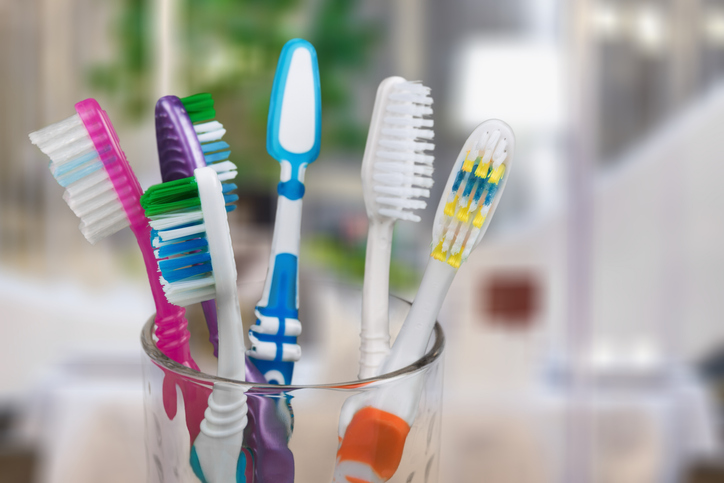
The toothbrush is a fundamental hygiene tool that enters our mouths every morning and evening, yet the debate over its lifespan remains surprisingly polarized. While some consumers replace theirs monthly, others wait until the bristles are noticeably splayed, and a few even push a single brush to a year of service.
To settle the matter, Dr. Primrose Freestone, an associate professor of clinical microbiology at the University of Leicester in the UK, has provided a clear, evidence-based recommendation. In general circumstances—void of specific oral infections—a toothbrush should be replaced every three months.
Why Three Months is the Gold Standard
In an interview with the Daily Mail, Dr. Freestone emphasized that while the three-month mark is the standard, health conditions can shorten that window. "It is advisable to replace your toothbrush every three months," she stated, adding that "if there are oral or gum infections, it should be replaced more frequently to prevent reinfection."
This professional advice aligns with the guidelines provided by the UK National Health Service (NHS). Dental experts argue that three months is the limit even if the brush appears intact. This is because microscopic wear on the bristles significantly reduces their ability to effectively disrupt and remove plaque, the primary cause of tooth decay and gum disease.
Maintenance Habits: More Critical Than the Cycle Itself
While the replacement date is important, Dr. Freestone points out that how we treat the brush between uses is often the more pressing hygiene issue. The human mouth is home to over 500 types of bacteria and fungi, many of which transfer to the bristles during brushing. If food particles remain trapped in the head, they create a fertile breeding ground for these microorganisms to proliferate.
To mitigate this risk, Dr. Freestone recommends a rigorous post-use cleaning routine. She suggests rinsing the toothbrush under hot water for at least 30 seconds after every use to flush away toothpaste residue and trapped debris. For a more thorough sanitization, she notes that occasionally soaking the brush in baking soda, antibacterial mouthwash, or using high-temperature steam can further reduce microbial load.
Storage also plays a vital role in contamination prevention. Dr. Freestone warns against keeping toothbrushes in close proximity to the toilet. When a toilet is flushed, microscopic droplets can aerosolize and settle on surrounding surfaces. To maintain hygiene, it is best to store the toothbrush as far from the toilet as possible and ensure it is kept in a well-ventilated area where it can dry completely between uses.
Frequently Asked Questions
Q: Do I really have to change my toothbrush every three months? A: Generally, yes. However, if you notice the bristles wearing out sooner, or if you have recently recovered from an oral infection or illness, you should replace it immediately to avoid reintroducing bacteria to your mouth.
Q: Can I continue using my toothbrush if it still looks new? A: Visual cues can be deceiving. Even if the bristles aren't splayed, they undergo fine structural wear that decreases plaque-removal efficiency. Sticking to the three-month schedule is a safer bet for long-term oral health.
Q: What is the best way to store my toothbrush? A: After a 30-second hot water rinse, store the brush upright in an open area. Avoiding closed containers and keeping it away from the "aerosol zone" of the toilet are the most effective ways to keep it clean.