Annie (Moon Seo-yoon, 24), a member of the mixed group All Day Project and granddaughter of Shinsegae’s Chairman Lee Myung-hee, has offered fans a glimpse into her demanding life as a student in New York. On February 14, Annie shared a video titled "another day in nyc," documenting her final semester at Columbia University, where she is majoring in Art History and Visual Arts.
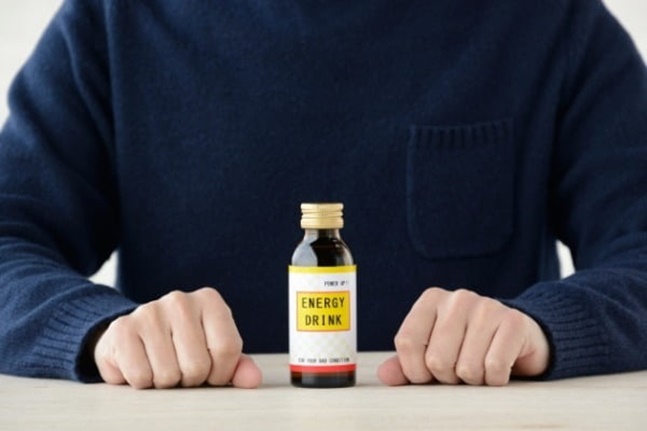
The video captures the relatable reality of an Ivy League student: Annie is seen buried in her studies, hood pulled over her beanie, relying on energy drinks to power through her schedule. While her dedication to both her academic career and K-pop activities has earned praise from the "MZ generation," her choice of fuel highlights a growing trend among students.
The Alertness Illusion: How Energy Drinks Actually Work
Energy drinks are a staple for students facing deadlines because they provide a temporary spike in concentration and alertness. Caffeine stimulates the central nervous system, reducing drowsiness and sharpening reaction speeds. However, it is a common misconception that these drinks provide actual "energy."
Instead, ingredients like taurine and B vitamins mask the body’s feelings of fatigue, giving the impression of being energized without providing true rest. While useful for short-term endurance during late-night study sessions, they function more as a chemical "loan" on future energy than a sustainable source of fuel.
The Risks: Palpitations, Insomnia, and the Sugar Trap
The caffeine content in a single can typically ranges from 80mg to a staggering 300mg—the equivalent of several cups of coffee. Consuming multiple cans can lead to a host of physical issues, including hand tremors, anxiety, and heart palpitations. For those with cardiovascular sensitivities, these drinks can even trigger arrhythmias or dangerous increases in blood pressure.
Furthermore, the high sugar content in many brands poses a risk for insulin resistance and abdominal obesity. There is also the danger of the "vicious cycle": caffeine consumed in the afternoon disrupts sleep quality, leading to increased exhaustion the following day, which in turn leads to the consumption of more caffeine.
Global Regulations and Safe Consumption Habits
The risks associated with high-caffeine intake have led to strict government interventions. Last September, the UK government announced a ban on the sale of energy drinks containing more than 150mg of caffeine per liter to those under 16. Health Minister Wes Streeting noted that children consuming the caffeine equivalent of a double espresso daily poses a serious threat to their heart and brain development.
For adults, health experts suggest the following guidelines:
Limit Intake: Manage total daily caffeine (from all sources) to under 400mg.
Timing Matters: Avoid consumption after the late afternoon to protect sleep cycles.
Emergency Only: Treat energy drinks as a last resort for deadlines, not a daily habit.
Ultimately, while Annie’s "study-hard" aesthetic resonates with many, experts emphasize that sustained concentration is best achieved through regular exercise, balanced meals, and proper hydration rather than a can of caffeine.