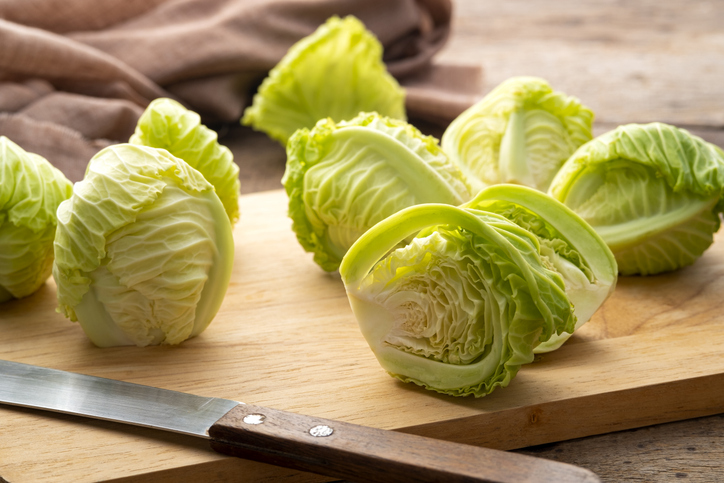
Everyone has experienced leaving ingredients in the refrigerator due to being busy. At this time, some ingredients may look fine even though they are old. There may not be significant changes in color or shape, making it feel like they can still be used. However, one must be cautious of spoilage that is difficult to detect with the naked eye. Bacteria can grow and spoilage can occur even while being refrigerated.
Fresh cabbage has no smell and is firm
Cabbage is often perceived as a safe vegetable to store for a long time because its external changes are slow. When cut with a knife, the white interior can lead one to judge it as fresh. However, more important than its visible state is the smell. Fresh cabbage is firm and has little to no smell, only a faint grassy scent. In contrast, if it has a rotten smell, it is safer not to eat it.
If it has a strangely sweet smell or a sharp odor, it indicates that spoilage has begun. If the cabbage feels soft or sticky when pressed, it is the same. Eating cabbage that has been contaminated with bacteria can easily lead to food poisoning. To prevent this, whole cabbage should be stored in the refrigerator for a maximum of 2-3 weeks, and cut cabbage should be consumed within 5-7 days. The cut surface should be wrapped in a kitchen towel or plastic wrap to prevent moisture loss.
Sesame seeds, if in bad condition, can negatively affect the entire dish even in small amounts
Sesame seeds, which enhance the flavor of side dishes like seasoned vegetables or meat, are commonly found in the refrigerators of Koreans who often eat Korean food. Sesame seeds are generally said to be consumable for about a year from the manufacturing date, but once opened, they are exposed to air, oxygen, and moisture, which can easily degrade their quality.
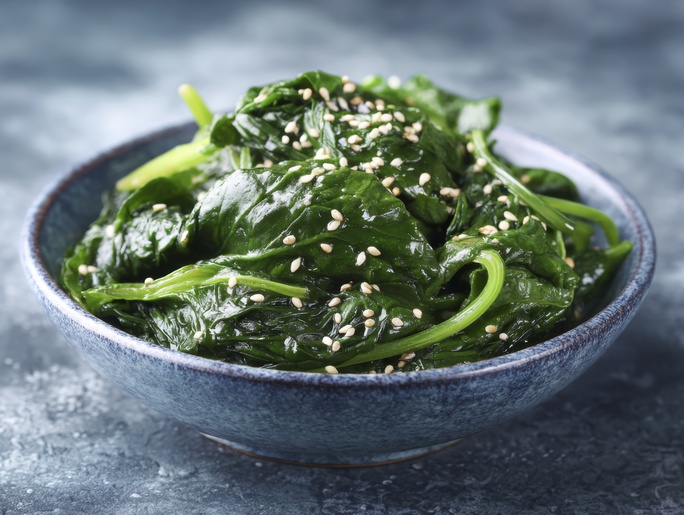
Even a small amount of bad sesame seeds can negatively affect the entire dish. If the sesame seeds have turned yellow or gray, it is safest to throw them away immediately. If there is a rancid oil smell, a musty taste, or bitterness, it should be avoided. To fully enjoy the nutty flavor and nutrition of sesame seeds, proper storage is essential. Sesame seeds should be stored in an airtight container in a cool, dark place or in the refrigerator. It is best to avoid placing them in containers that are frequently opened, in sunny spots, or near the stove.
Nuts may be spoiled if they smell damp
Nuts can be consumed without cooking, but they also pair well with dishes like stir-fried anchovies or desserts. Therefore, many people keep almonds or peanuts at home. Nuts are rich in unsaturated fatty acids and antioxidants like selenium, which help suppress inflammation and slow down aging. However, oxidized nuts can be toxic.
Spoiled nuts can be easily detected by smell. If they have an odor reminiscent of old oil rather than a nutty aroma, it can irritate the nose. If there is a bitter and damp smell, it is a sign of rancidity. If the surface of the nuts is dull and dark or if there are fine cracks in the kernels, it is best to discard them.
It is safest to consume nuts soon after opening. A large quantity of nuts should be stored in a cool, dry place to avoid exposure to moisture, air, and heat. During the hot and humid summer months, it is also advisable to store them in the refrigerator.